Singapore
 Thailand
 Indonesia
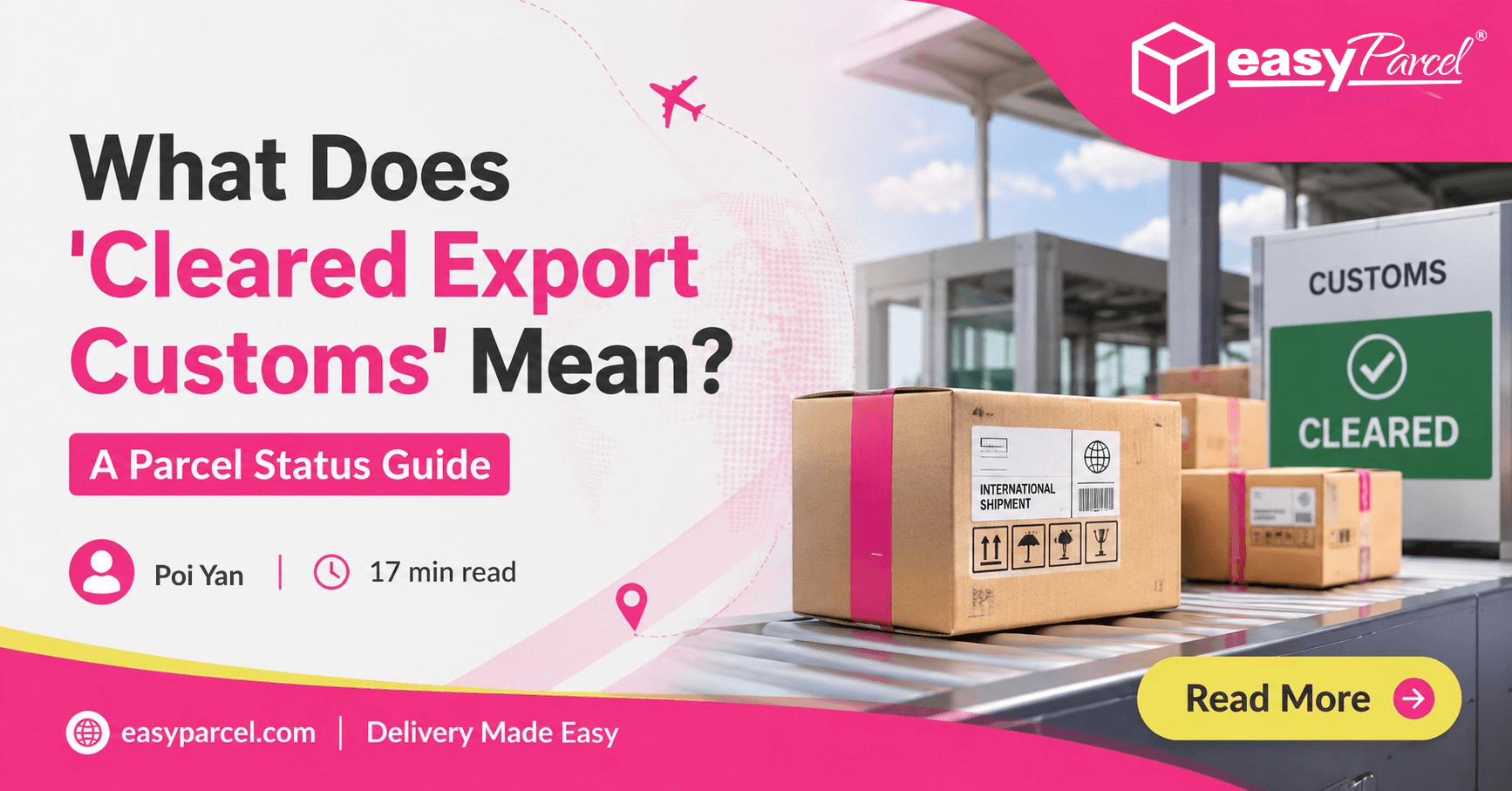
Navigating customs is a vital part of international delivery. It can be complex and daunting for shippers. Understanding customs regulations is key to smooth international shipping.
Customs rules differ from country to country. These differences can affect shipping timelines and costs. Proper documentation is crucial for customs clearance.
Shippers must be aware of customs duties and taxes. These are often based on the value and type of goods. Incorrect documentation can lead to delays and fines.
Partnering with experts can simplify the process. Freight forwarders and customs brokers offer valuable assistance. They help navigate the intricate world of global logistics.
This guide will provide practical tips for shippers. It aims to make international delivery more efficient and compliant.
Summary
This guide explains how customs regulations, accurate documentation, and correct HS code classification shape costs, timelines, and compliance in international shipping. It outlines key rules, required documents, duties and taxes, and the clearance process while highlighting common pitfalls and ways to avoid delays. The role of freight forwarders, customs brokers, and technology is emphasized, along with best practices to stay efficient, compliant, and competitive.
Content
Why Customs Matters in International Delivery
Customs play a crucial role in global logistics. They ensure that international shipping complies with local laws. This process safeguards both the sender and the recipient.
The customs process affects the overall timeline of international delivery. Delays in customs can impact customer satisfaction and increase costs. Therefore, understanding customs procedures is vital for efficient shipping.
Key reasons customs matter include:
- Compliance with international trade laws
- Avoidance of fines and penalties
- Prevention of shipping delays
Being informed about customs helps in planning shipments better. It enables businesses to anticipate potential challenges. By doing so, shippers can enhance the reliability and effectiveness of their delivery process.
Key Customs Regulations and How They Affect International Shipping
Customs regulations vary greatly among countries. These rules govern what goods can enter or leave a country. They also dictate the taxes and duties applied to different goods.
Shippers must be aware of specific regulations for each shipment. This understanding helps avoid unnecessary delays or penalties. Familiarity with these regulations is critical for successful international shipping.
Critical aspects of customs regulations include:
- Import/export licenses: Required for certain goods
- Trade agreements: Can reduce or eliminate duties
- Commodity restrictions: Some goods may be prohibited
Changes in regulations can impact shipping routes and costs. Staying updated is essential for all involved in global logistics. Understanding these regulations can prevent compliance issues and facilitate smoother transactions.
An effective shipping strategy involves ongoing education. As customs rules evolve, knowledge helps businesses stay competitive. Being proactive about regulatory changes ensures that international delivery remains hassle-free.
Essential Shipping Documentation for Global Logistics
Proper documentation is essential for smooth international shipping. Customs officials require accurate paperwork to process shipments efficiently. Missing or incorrect documents can lead to costly delays.
Several key documents are crucial for global logistics. Each serves a unique role in the shipping process. Understanding their purpose helps ensure compliance with customs requirements.
Key shipping documents include:
- Commercial invoice: Details the transaction between buyer and seller
- Packing list: Lists all items in the shipment
- Bill of lading: Evidence of the shipping contract
- Certificate of origin: States where goods are manufactured
Each document must be filled out accurately to avoid issues. Shippers should double-check all entries for consistency and completeness. Proper documentation helps streamline customs clearance, minimizing potential hurdles along the way
Customs Duties, Taxes, and HS Codes Explained
Customs duties and taxes are key considerations in international shipping. These charges depend on the value and type of goods shipped. Shippers must understand these costs to avoid surprises.
The Harmonized System (HS) code plays a vital role. It categorizes goods for customs purposes. Accurate HS codes prevent delays and fines.
When shipping goods internationally, consider the following:
- Customs duties: Based on product classification
- Taxes: Vary by destination country
- HS codes: Ensure proper classification
Accurate classification of goods is crucial. Mistakes in HS codes can lead to penalties and increased shipping costs.

Understanding customs duties and taxes ensures a smoother shipping process. Awareness helps in predicting and managing costs effectively.
Navigating the Customs Clearance Process
Customs clearance is a pivotal step in international shipping. It involves several critical procedures. Understanding this process can save time and resources.
To navigate customs clearance effectively, consider these steps:
- Prepare all necessary documentation.
- Provide accurate declarations.
- Be aware of any import restrictions.
Having all documents in order is essential. Missing paperwork can delay shipments significantly. Stay informed about specific country regulations to avoid problems.
Partnering with experienced freight forwarders or customs brokers can simplify the process. Their expertise can help ensure compliance with regulations. Professional assistance can streamline clearance, reducing the risk of costly errors.
Common Challenges and How to Avoid Delays
Shippers often face several challenges during customs clearance. These can lead to delays and increased costs. Being proactive can help mitigate these issues effectively.
Some common challenges include:
- Incomplete or incorrect documentation
- Unfamiliarity with import restrictions
- Incorrect HS code classification
To avoid these issues, ensure all documents are complete and accurate. Double-check HS codes for correct classification. Stay updated on import and export regulations in each country.
Building relationships with customs officials can also be beneficial. Clear communication can prevent misunderstandings. Effective preparation and collaboration are essential for successful international delivery.
The Role of Freight Forwarders, Customs Brokers, and Technology
Freight forwarders and customs brokers play vital roles in international shipping. They help navigate complex customs regulations. Utilizing their expertise can reduce errors and ensure timely deliveries.
Freight forwarders organize shipments and manage logistics. They are crucial in selecting the best routes and transport methods. Their knowledge minimizes shipping costs and improves efficiency.
Customs brokers specialize in customs procedures. They handle paperwork and ensure compliance with regulations. Technology complements these roles by enhancing process efficiency.
- Freight forwarders: Manage logistics and routes
- Customs brokers: Handle compliance and paperwork
- Technology: Boosts efficiency and transparency

Technology, such as tracking systems, enhances transparency. It offers real-time updates, allowing shippers to monitor shipments. Embracing tech solutions can improve global logistics.
Best Practices for Smooth International Delivery
Smooth international delivery requires careful planning and execution. Adopting best practices can greatly improve your shipping process. These practices help manage risks and reduce potential disruptions.
Keeping your documentation accurate and complete is essential. This ensures compliance and prevents customs delays. Regularly updating your knowledge of regulations is also important.
Incorporating technology in your logistics strategy can increase efficiency. Automation tools streamline operations, while tracking systems enhance shipment visibility. Investing in these technologies offers numerous benefits.
- Ensure accurate and complete documentation
- Stay informed on changing regulations
- Leverage technology for efficiency and visibility
These best practices can pave the way for successful international deliveries. Implementing them keeps you compliant and competitive in global logistics.
Conclusion: Staying Compliant and Competitive in Global Logistics
Navigating the complexities of international delivery requires understanding and foresight. Complying with customs regulations is not optional; it is essential for success. By doing so, you minimize risks and avoid costly delays.
Staying informed and adaptive gives your business a competitive edge. Regularly updating strategies and embracing new technologies is vital. Remaining compliant ensures smooth operations and fosters trust in global markets.