Singapore
 Thailand
 Indonesia
What if your customers could complete their payments with just a quick scan? In today’s fast-moving digital world, online sellers need more than just great products to succeed—they also need a smooth and convenient payment experience for customers. This is where QR payment Malaysia comes in, helping online businesses simplify transactions and offer a faster way for customers to complete payments.
In this guide, we’ll explore all about QR payment Malaysia in a simple and easy-to-understand way. Let’s dive in!
Contents
What Is a QR Payment?
A QR payment (Quick Response payment) is a digital payment method that allows customers to pay by scanning a QR code with their smartphone. Instead of using cash or swiping a card, users simply open their banking app or eWallet, scan the QR code, confirm the payment amount, and complete the transaction within seconds.
QR payments have become one of the most popular cashless payment methods in Malaysia because they are fast, convenient, and secure.
In Malaysia, QR payments generally work through two common methods: Scan-to-Pay and Show-to-Pay.
Scan-to-Pay
Scan-to-Pay allows customers to make payments by scanning a merchant’s QR code using their banking app or eWallet. After scanning, customers enter or confirm the payment amount before completing the transaction.
Show-to-Pay
Show-to-Pay works the opposite way, where customers display their own QR code from their banking app or eWallet, and the merchant scans it to receive payment.
Types of QR Payments in Malaysia
With the growing popularity of cashless transactions, QR payment Malaysia has become a preferred payment method for both consumers and businesses. However, different types of QR payments serve different business needs depending on payment method, and customer preferences.
1. DuitNow QR Payment
DuitNow QR is a unified QR payment system in Malaysia that allows customers to make payments by scanning one QR code using supported banking apps or eWallets. Instead of displaying multiple QR codes from different providers, businesses can use a single DuitNow QR code to accept payments from various platforms.
Key benefits:
- Accept payments from multiple banks and eWallets with one QR code
- Provides a faster checkout experience for customers
- Reduces the need to manage multiple payment channels
2. Static QR Payment
A static QR code uses the same QR code for every transaction. Customers scan the QR code and manually enter the payment amount before confirming their payment.
Key benefits:
- Simple and affordable payment solution
- No need for expensive payment equipment
- Suitable for small businesses and occasional sellers
3. Dynamic QR Payment
A dynamic QR payment generates a unique QR code for each transaction. The payment amount and transaction details are usually included automatically, allowing customers to scan and pay without manually entering the amount.
Key benefits:
- Reduces payment errors from incorrect amounts
- Speeds up the checkout process
- Makes transaction records easier to manage
4. eWallet QR Payment
eWallet QR payment allows customers to pay directly using their digital wallets by scanning a QR code. In Malaysia, popular eWallets support QR payments, giving customers a convenient way to complete transactions without using cash or cards.
Key benefits:
- Offers customers a convenient cashless payment option
- Supports popular eWallet users in Malaysia
- Provides faster payment confirmation
5. Cross-Border QR Payment
Cross-border QR payment allows customers to make payments in different countries using compatible payment apps. This creates a smoother payment experience for travellers and businesses involved in international transactions.
Key benefits:
- Enables convenient overseas payments
- Supports international customers
- Reduces the need for currency exchange
Why Are QR Payment Important in Malaysia?
Supports Malaysia’s Cashless Economy
As more Malaysians adopt digital payment methods, QR payments help businesses and customers embrace a more convenient cashless lifestyle.
Easy Payment Solution for Businesses
QR payments provide businesses with a simple way to accept digital payments without requiring expensive payment terminals.
Faster and More Convenient Transactions
QR payments allow customers to complete transactions within seconds by simply scanning a code with their smartphone.
Improves Customer Shopping Experience
Offering QR payment options gives customers more flexibility to pay using their preferred banking apps or eWallets.
Where Can You Use QR Payment Malaysia?
QR payment Malaysia is becoming more widely accepted across different industries, making cashless transactions easier for both customers and businesses.
1. Retail Stores and Shopping Malls
Many retail shops and shopping malls accept QR payments, allowing customers to pay for clothing, electronics, groceries, and other products by simply scanning a QR code at checkout.
2. Restaurants, Cafes, and Food Stalls
QR payments are commonly used in the food and beverage industry. Customers can quickly pay for meals, drinks, or takeaway orders without waiting for cash transactions.
3. Online Stores and E-Commerce Platforms
For online sellers, QR payment Malaysia offers a simple way to collect payments from customers. Businesses can share QR codes through websites, social media, invoices, or messaging platforms.
4. Delivery and Courier Services
QR payments can also be used for delivery-related transactions, allowing customers and businesses to make payments digitally. This helps create a smoother payment process when booking deliveries or managing shipping expenses.
5. Public Services and Transportation
Many public services and transportation providers have adopted QR payments to make everyday transactions more convenient.
6. Small Businesses and Home-Based Sellers
QR payments are especially useful for small businesses because they are easy to set up and require minimal equipment. Home-based sellers, freelancers, and entrepreneurs can accept payments by displaying their QR codes to customers.
7. Overseas Transactions
With the growth of cross-border QR payments, Malaysians can also use compatible QR payment services when travelling to selected countries, making overseas payments more convenient.
How Does QR Payment Malaysia Work?
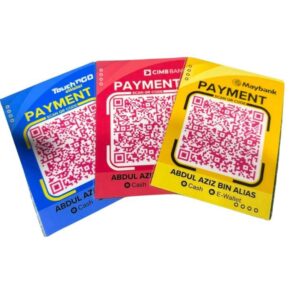
1. Merchant Displays a QR Code
Source: Pinterest
Sellers create through a bank, eWallet provider, or payment platform and display their QR code. Once set up, the QR code can be shared with customers as a simple and convenient way to receive digital payments.
2. Customer Scans the QR Code
Source: Pinterest
Customers open their preferred banking app or eWallet and scan the merchant’s QR code using their smartphone. The payment details will appear automatically after scanning.
3. Customer Confirms Payment Details

Source: Pinterest
The customer reviews the payment details, enters the payment amount if required, and authorises the transaction using their preferred verification method.
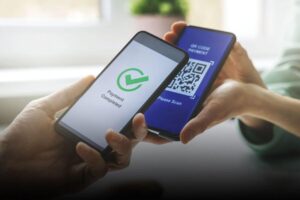
4. Payment Is Completed Instantly
Source: Pinterest
The payment is processed within seconds, and both the customer and recipient receive confirmation that the transaction has been completed successfully.
QR Payment vs eWallet: What’s the Difference?
Many people use QR payments and eWallets interchangeably, but they are actually different.
| Aspect | QR Payment | eWallet |
| Main Function | Used to complete transactions quickly through QR code scanning | Used to store money, make payments, transfer funds, and manage transactions |
| How It Works | Users scan a QR code, confirm payment details, and complete the transaction | Users add money into the eWallet and use the balance for payments or transfers |
| Payment Method | Usually uses QR codes, in-app payments, or contactless payments | Uses bank transfers, debit cards, online payments, and banking features |
| Payment Source | Can be linked to a bank account or eWallet balance depending on the app used | Uses the balance stored inside the digital wallet or linked payment methods |
| Best For | Businesses looking for a quick way to accept cashless payments | Customers and businesses managing digital payments and transactions in one place |
What Are the Challenges of Using QR Payment Malaysia?
Risk of QR Code Scams
Fake or modified QR codes can create security risks if customers accidentally make payments to the wrong account. Businesses and users need to stay cautious and verify payment details before completing transactions.
Managing Multiple Payment Platforms
Some businesses accept QR payments from different banks and eWallet providers, which can make payment management more complicated.
Internet Connectivity Issues
QR payments require a stable internet connection to process transactions successfully. Poor connectivity may cause delays or interruptions, especially in areas with limited network coverage.
Dependence on Smartphones and Apps
QR payments require customers to have a smartphone with a supported banking app or eWallet. Users who are less familiar with digital technology may find the process challenging at first.
Future of QR Payments Malaysia: What’s Next for Cashless Transactions?
The future of QR payment Malaysia is moving towards greater convenience, wider acceptance, and stronger connectivity. As digital payments continue to grow, QR payments are expected to become more seamless for both businesses and customers, creating a more unified cashless payment ecosystem.
1. A More Unified QR Payment System with DuitNow QR
Malaysia is moving towards a more connected QR payment ecosystem through greater interoperability and wider adoption of DuitNow QR. This shared QR infrastructure allows customers to use their preferred banking apps or eWallets to scan merchant QR codes, while businesses can accept payments from multiple providers using a single QR code.
2. More Cross-Border QR Payment Opportunities
Cross-border QR payments are expected to expand further, making international transactions easier for travellers and businesses. Malaysia has already connected QR payment networks with countries such as Singapore, Thailand, Indonesia, Cambodia, and China, helping create a more seamless payment experience across borders.
3. Stronger Security and Digital Innovation
Future QR payment solutions are expected to include improved security features and smarter technologies to protect transactions. These developments will help build greater trust among customers and encourage more businesses to adopt cashless payment methods.
4. Driving Malaysia Towards a Cashless Economy
As more consumers and businesses embrace digital transactions, QR payment Malaysia will continue to support the growth of a cashless economy. With wider acceptance and improved payment connectivity, QR payments will make everyday transactions more convenient, efficient, and accessible for people across Malaysia.
For online sellers, managing orders is not just about receiving payments—it also involves arranging deliveries quickly and accurately. A smooth payment and shipping process helps you save time, reduce manual tasks, and provide a better experience for your customers.
This is where EasyParcel’s QuickSend comes in, helping you simplify parcel bookings while making it easier to manage your delivery process.
Make Payments Easier with QR Payment on EasyParcel's QuickSend
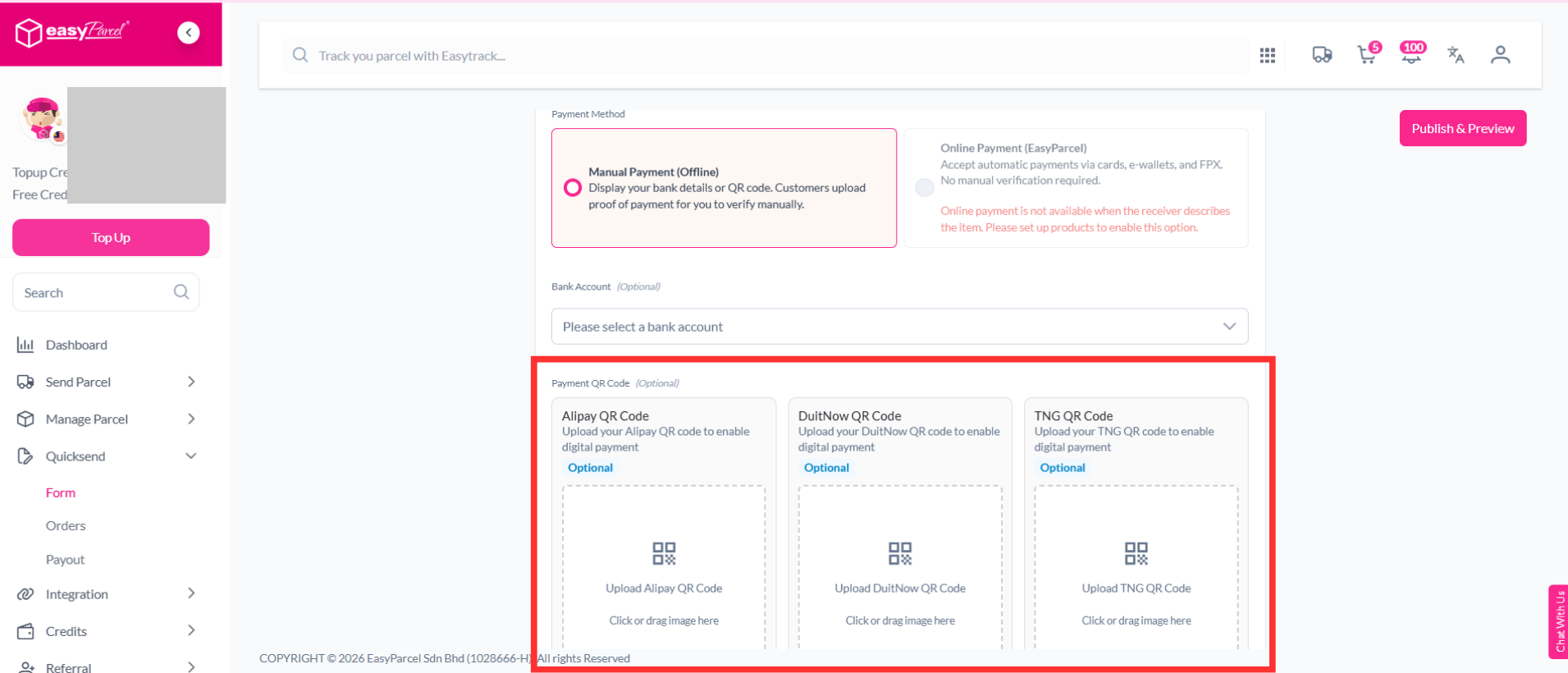
With EasyParcel’s QuickSend, you can simplify your parcel booking process by allowing customers to submit their delivery details easily. You can select QR payment as your preferred payment method for a faster and more convenient way to complete your shipment bookings. This helps you reduce manual work, manage orders more efficiently, and create a smoother delivery experience for both you and your customers.
You may click here to learn more about EasyParcel’s QuickSend and how it can help simplify your parcel delivery process.
QR payment Malaysia has become an important part of the digital payment landscape, helping businesses and customers enjoy faster, simpler, and more convenient transactions.
With EasyParcel, you can simplify your parcel delivery process while enjoying convenient payment options. Whether you are sending a few parcels or managing multiple orders, you can compare rates from 60+ courier services, book shipments easily, and manage deliveries in one platform. Sign up for FREE today and enjoy a RM10 discount coupon on your first delivery.
FAQs
1. How to pay with QR in Malaysia?
To pay with QR in Malaysia, simply open your preferred banking app or eWallet, scan the merchant’s QR code using your smartphone, confirm the payment details, and complete the transaction. Once the payment is successful, both the customer and merchant will receive a confirmation.
2. What is Malaysia’s national QR?
Malaysia’s national QR payment standard is DuitNow QR. It provides a unified QR payment system that allows customers to make payments using various participating banking apps and eWallets, while businesses can accept payments through a single QR code.
3. What is the maximum limit for QR payment?
The maximum limit for QR payment in Malaysia depends on the bank, eWallet provider, and account settings. Users can check their respective app or service provider for the applicable transaction limits and adjust them according to their needs.