Singapore
 Thailand
 Indonesia
Shipping to other countries can feel challenging, but it doesn’t have to be! Whether you are sending a package to Singapore, China, Hong Kong, or Indonesia, we are here to help make it easy.
From choosing the right packaging to selecting the best couriers, understanding taxes and duties, and navigating customs, we’ve got you covered. Let’s dive in and make international shipping a breeze!
Summary
This guide makes international shipping simple by covering smart packaging practices, how to choose the right courier (FedEx/UPS, EMS/Janio, Best Express), and the essentials of customs, taxes, duties, and HS codes. It explains DDP vs. DDU, highlights critical documents like commercial invoices and packing lists, and offers practical tips on declarations, tracking, parcel protection, and managing delivery challenges. Use it to ship confidently to destinations such as Singapore, China, Hong Kong, and Indonesia with a balance of speed, safety, and cost.
Content
Packaging: Your First Step to Successful Shipping
Getting your package safely to its destination starts with the right packaging. Here’s how to make sure your item arrives in one piece.
Choose the Right Materials
The materials you use for packaging can make or break the safety of your shipment. Opt for sturdy corrugated boxes that can withstand the rigors of international transit. Avoid reusing old boxes that might have weakened over time. For fragile items, consider double-boxing to provide an extra layer of protection. Bubble wrap, packing peanuts, or air pillows should be used generously to cushion delicate items, preventing them from shifting during transportation.
Environmental considerations are also vital when choosing packaging materials. Consider using eco-friendly options like biodegradable packing peanuts or recycled paper as cushioning materials. These options not only protect your items but also reduce your environmental footprint. Additionally, selecting the right size of the box is crucial. A box that is too large can lead to items moving around, while one that is too small might not provide adequate protection.
Secure and Label Properly
Properly securing your package is as important as choosing the right materials. Use high-quality packing tape, preferably water-activated tape, to seal all seams and edges of your box securely. This type of tape is stronger and offers better adhesion than standard plastic tapes. Reinforce corners and edges of the box, as they are most susceptible to damage during handling.
Labeling your package accurately is essential to ensure it reaches its intended destination. Use clear, legible handwriting or printed labels for the recipient’s and sender’s addresses. Double-check for any missing information, such as postal codes or apartment numbers. Including a contact number for both the sender and recipient can facilitate communication in case of delivery issues. Additionally, consider using waterproof markers or labels to prevent smudging in case of exposure to moisture.
Understanding Packaging Regulations
Different countries have varying regulations regarding packaging materials and labeling. Familiarize yourself with these rules to avoid delays or returned packages. For instance, some countries may have restrictions on certain materials, or they may require specific labeling for hazardous items. Researching these requirements ahead of time can save you from potential headaches.
It’s also vital to consider the cultural nuances associated with packaging. In some cultures, the color of the packaging might hold significance, and using the wrong color could inadvertently offend the recipient. Being aware of these cultural subtleties can enhance the recipient’s experience and show respect for their customs.
Picking the Perfect Courier
Now that your package is ready to go, it’s time to choose a courier. Here are some top choices for international shipping.
FedEx and UPS: Reliable Giants
FedEx and UPS are trusted names in the world of shipping, and they offer a variety of services tailored to meet different needs. From overnight express shipping to more economical ground services, they provide options that cater to both budget and urgency. Their robust tracking systems ensure you can monitor your package’s journey from start to finish, providing peace of mind.
These courier giants also offer specialized services for businesses, including warehousing and logistics solutions. For companies looking to streamline their international shipping process, FedEx and UPS provide integrated solutions that can handle everything from inventory management to last-mile delivery. Their global presence means they have the infrastructure to handle high volumes of shipments efficiently.
EMS and Janio: Great for Asia
If you’re sending packages to Asia, EMS and Janio are excellent choices. EMS, an international postal Express Mail Service, is often a more cost-effective option for standard deliveries. Their integration with local postal services ensures widespread coverage and reliability in reaching even remote areas. Janio, on the other hand, specializes in cross-border logistics across Asia, with a strong focus on e-commerce shipments.
Janio offers a tech-driven approach, utilizing data analytics to optimize delivery routes and improve efficiency. This results in faster delivery times and lower costs, making it an attractive option for businesses and individuals alike. Additionally, both EMS and Janio have strong customer service teams that can assist with any inquiries or issues that may arise during the shipping process.
Best Express: Speedy and Efficient
For super-fast delivery, consider Best Express. Known for its efficiency, Best Express excels in providing expedited shipping services that prioritize speed without compromising reliability. Their streamlined processes ensure that packages are processed swiftly, reducing transit times significantly.
Best Express is particularly popular for time-sensitive shipments, such as perishable goods or urgent documents. Their commitment to punctuality is backed by a comprehensive network of logistics partners, ensuring seamless transitions between different modes of transport. If speed is your top priority, Best Express offers an excellent balance of rapid delivery and dependable service.
International delivery in EasyParcel is so easy. Check out our best courier partners to:
- Ship to China
- Ship to Singapore
- Ship to Indonesia
- Ship to Hong Kong
- Ship international
Comparing Costs and Services
When choosing a courier, it’s essential to compare costs and services to find the best fit for your needs. Consider factors such as delivery speed, tracking capabilities, and additional services like insurance or customs handling. Some couriers offer discounts for bulk shipments or loyalty programs for frequent shippers, which can result in significant savings.
It’s also wise to read customer reviews and testimonials to gauge the reliability and service quality of potential couriers. Understanding the experiences of other shippers can provide valuable insights into the strengths and weaknesses of each courier. This information can guide you in making an informed decision that aligns with your specific shipping requirements.
Customs: What You Need to Know
Navigating customs can be one of the trickiest parts of international shipping, but we’re here to simplify it for you.
Understand Tax and Duties
When shipping internationally, it’s crucial to understand the implications of taxes and duties. Import duties are levies imposed by a country on goods brought into its borders, and these can significantly impact the total cost of shipping. The amount of duty is often based on the item’s value, its category, and the country of origin. To avoid unexpected costs, research the duty rates of the destination country and factor these into your budget.
Understanding the Harmonized System (HS) code of your product is vital, as this determines the duty rate applicable. Each item category has a unique HS code, and using the correct one ensures accurate duty assessment. Additionally, some countries have trade agreements that reduce or eliminate duties on certain goods, so it’s worth checking if your shipment qualifies for such benefits.
DDP vs. DDU
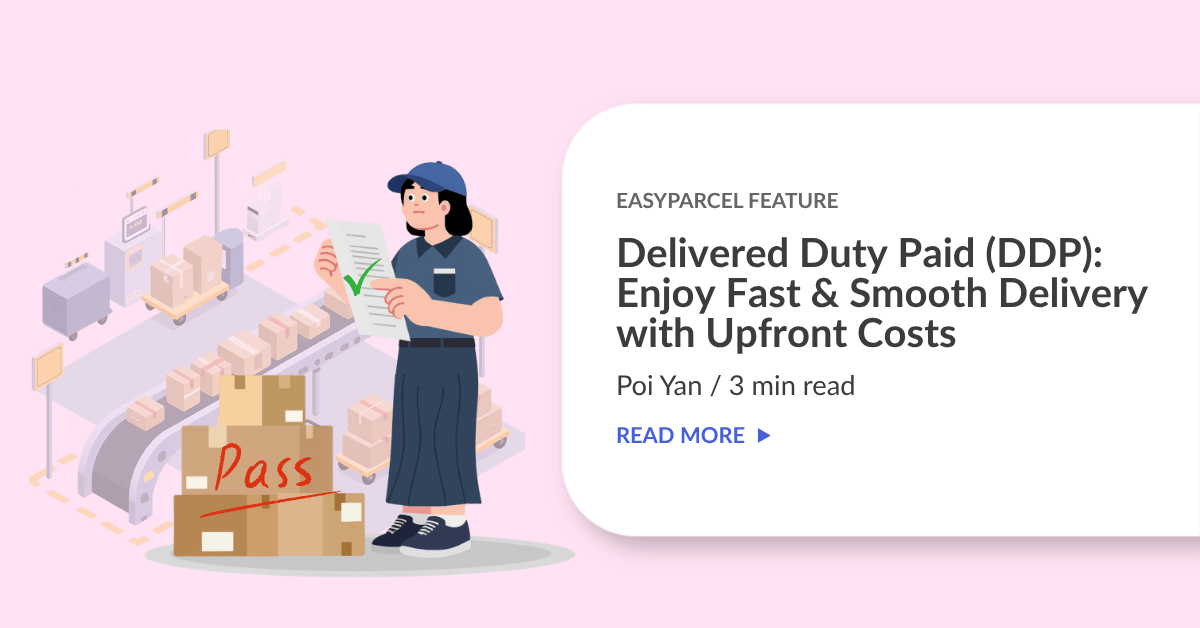
Shipping terms like DDP (Delivered Duty Paid) and DDU (Delivered Duty Unpaid) define who is responsible for paying duties and taxes. With DDP, the sender takes on all costs, ensuring the recipient receives the package without additional charges. This option provides a seamless experience for the recipient but may require the sender to navigate complex customs procedures.
DDU, on the other hand, places the responsibility for paying duties and taxes on the recipient. This can lead to delays if the recipient is unaware of these charges or if they refuse to pay. It’s important to communicate clearly with the recipient about potential costs to avoid misunderstandings. Deciding between DDP and DDU often depends on the relationship with the recipient and the nature of the shipment.
Customs Documentation Essentials
Proper documentation is crucial for smooth customs clearance. The commercial invoice is a key document that provides details about the shipment’s contents, value, and purpose. Accuracy and honesty in filling out this form are essential to avoid penalties or delays. Additionally, some countries may require specific permits or certificates for certain goods, such as food items or electronics.
Another important document is the packing list, which details the contents of each package in the shipment. This helps customs officials verify that the shipment matches the information provided in the commercial invoice. Ensuring all documentation is complete and accurate can prevent unnecessary hold-ups at customs and facilitate a smoother shipping process.
Hassle-Free Shipping Tips
Here are some extra tips to make your international shipping experience even easier:
Fill Out a Customs Declaration Form
A customs declaration form is a crucial document that provides vital information about your package’s contents. This form assists customs officials in assessing any applicable duties or taxes on the shipment. When filling out the form, be as detailed and precise as possible, including descriptions, quantities, and values of the items. Providing accurate information reduces the risk of delays or complications at customs.
Including the correct HS codes on the customs declaration form is essential for proper duty assessment. These codes classify goods and determine the applicable duty rates. Familiarize yourself with the appropriate HS codes for your items to ensure compliance with customs regulations. Additionally, some countries may require specific documentation for restricted or controlled items, so it’s important to verify the requirements for your shipment’s destination.
Keep Track with Tracking
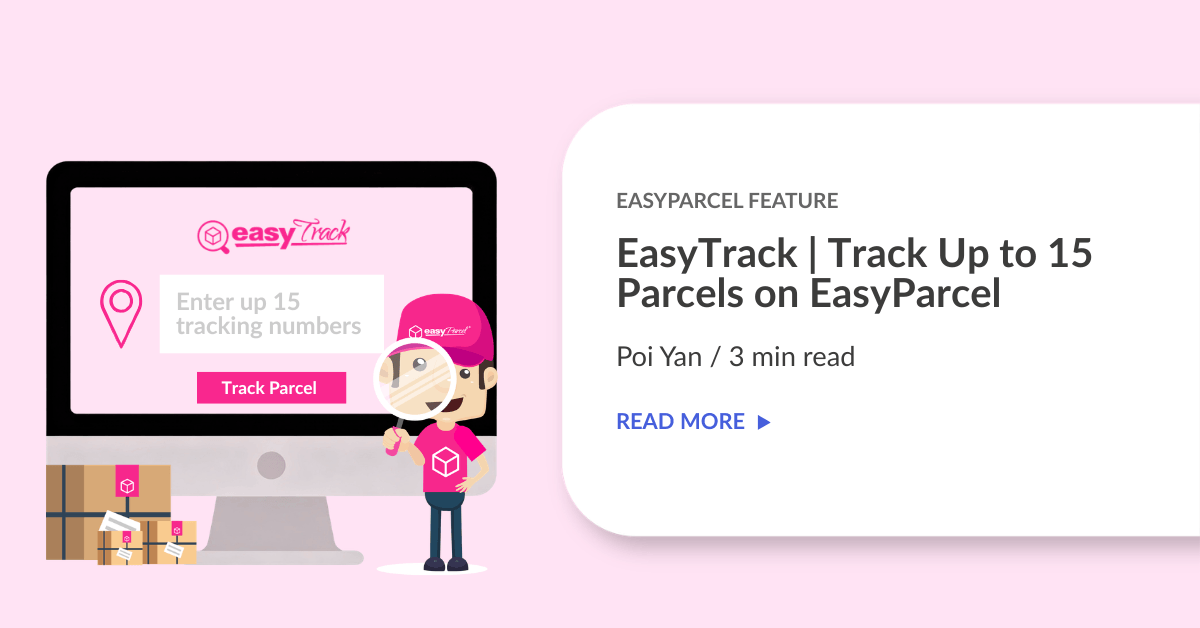
Most couriers offer comprehensive tracking services that allow you to monitor your package’s journey in real-time. Tracking provides valuable insights into the status of your shipment, offering peace of mind and the ability to address any issues promptly. Set up alerts for significant milestones, such as customs clearance or delivery attempts, to stay informed throughout the process.
In addition to courier tracking, consider using third-party tracking apps or platforms that consolidate information from multiple couriers. These tools can provide a more comprehensive view of your shipment’s progress, especially if you’re managing multiple packages. Access to detailed tracking information enables proactive communication with the recipient, enhancing their experience and ensuring a smooth delivery process.
Consider Insurance
For valuable or irreplaceable items, purchasing shipping insurance is a wise precaution. Insurance provides financial protection in case your package is lost, damaged, or stolen during transit.
When choosing insurance, think about how much the item is worth and the possible risks on the shipping route.
Some couriers offer insurance options as part of their service, while others may require separate coverage.
Review the terms and conditions of the insurance policy carefully to understand what is covered and any exclusions that may apply. For high-value shipments, consider documenting the item’s condition before shipping, including photographs, to support any potential claims. Investing in insurance provides peace of mind and ensures that you are financially safeguarded in the event of unforeseen circumstances.
Plan for Delivery Challenges
International shipping can present unexpected challenges, such as delivery delays or failed delivery attempts. Anticipate potential issues by providing clear delivery instructions and alternative contact information for the recipient. If the recipient is unavailable at the delivery address, consider arranging for delivery to a nearby collection point or locker.
Communicating proactively with the recipient about the shipment’s progress and expected delivery date can help manage expectations and avoid missed deliveries. If a delivery issue arises, contact the courier’s customer service promptly to resolve the situation. Being prepared for delivery challenges ensures a smoother experience for both you and the recipient.
Conclusion
Shipping internationally doesn’t have to be complicated. By choosing the right packaging, selecting a reliable courier, understanding customs procedures, and following our handy tips, you can ensure your package gets to its destination safely and efficiently. Whether you’re shipping to Singapore, China, Hong Kong, or Indonesia, you’re now equipped to make international shipping easy and stress-free.
So, are you ready to ship your package across the globe? Let’s make it happen!