Singapore
 Thailand
 Indonesia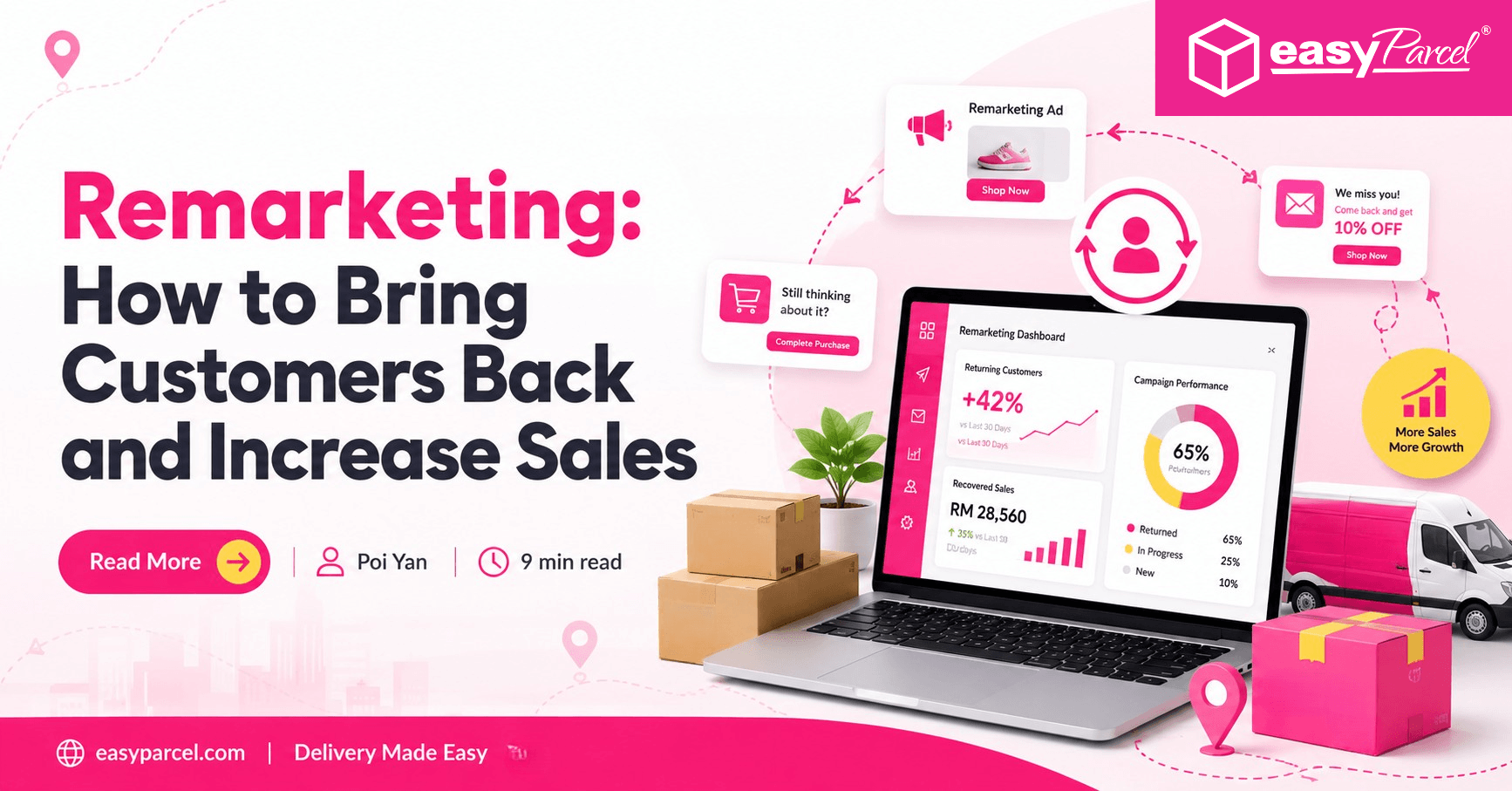
Want to bring your customers back and encourage them to shop with you again? This is where remarketing can help. Remarketing allows you to reconnect with people who have bought from you or interacted with your brand before.
But what exactly is remarketing, and how can it help your business?
In this guide, we’ll explore all about remarketing in a simple and easy-to-understand way. Let’s dive in!
Contents
What Is Remarketing?

Source: Pinterest
Remarketing is a digital marketing strategy that helps you reconnect with people who already know your brand. They may have visited your website, used your app, or interacted with your business before.
For example, you can send them a personalised email or special offer to remind them about your products or encourage them to come back. The goal is to turn past visitors or customers into returning customers.
5 Common Types of Remarketing
Remarketing comes in different forms, and each type works best for different marketing goals.
1. Standard Remarketing
Shows general ads to people who have previously visited your website while they browse other websites or apps.
Best for:
- Keeping your brand in customers’ minds
- Bringing previous visitors back to your website
- Increasing brand awareness
2. Dynamic Remarketing
Shows personalised ads featuring products or services that visitors have previously viewed.
Best for:
- Promoting specific products
- Encouraging customers to complete a purchase
- Recovering potential lost sales
3. Email Remarketing
Uses personalised emails to reconnect with customers or website visitors and encourage them to take action.
Best for:
- Recovering abandoned carts
- Encouraging repeat purchases
- Sharing special offers and product recommendations
4. Video Remarketing
Shows video ads to people who have previously watched or interacted with your videos.
Best for:
- Re-engaging video viewers
- Building stronger brand awareness
- Promoting new products or campaigns
5. Remarketing Lists for Search Ads (RLSA)
Targets previous website visitors when they search for related products or services on search engines.
Best for:
- Reaching people with high purchase intent
- Increasing visibility in search results
- Focusing ad spending on interested audiences
Why Is Remarketing Important for Businesses?
Increase Brand Awareness
Remarketing keeps your brand visible to people who have already visited your website or interacted with your business. This helps them remember your brand when they are ready to buy.
Increase Conversion Rates
By reaching people who already know your brand, you can target an audience that is more likely to make a purchase or complete an action.
Recover Abandoned Carts
Some customers add products to their cart but leave without checking out. Remarketing emails or ads can remind them about the items they left behind and encourage them to complete their purchase.
Bring Back Potential Customers
Not every visitor makes a purchase on their first visit. Remarketing gives you another chance to bring interested visitors back to your website and encourage them to take action.
How Remarketing Works?
1. Data Collection

Source: Pinterest
When someone visits a website or uses an app, tracking tools such as cookies or pixels can record their interaction. This helps businesses understand which visitors have shown interest in their products or services.
2. Audience Segmentation

Source: Pinterest
Visitors are grouped based on their actions on a website. For example, different groups can include people who viewed a product, abandoned a shopping cart, or read a specific blog post.
3. Create Targeted Campaigns

Source: Pinterest
Businesses create specific ads or email campaigns for each audience group. This allows relevant content to be shown based on each visitor’s interests and previous actions.
4. Re-engagement

Source: Pinterest
The ads or messages reach these people again and remind them about the business. The goal is to encourage them to return to the website, complete a purchase, or shop again.
5. Track and Improve Results

Source: Pinterest
After launching a remarketing campaign, businesses can check its performance by looking at metrics such as clicks, conversions, and sales. The campaign can then be adjusted to improve results.
Remarketing vs Retargeting: What’s the Real Difference?
Remarketing and retargeting both help businesses reconnect with people who have shown interest in their products or services. While they may sound similar, they work in slightly different ways. Let’s look at the key differences below:
| Aspect | Remarketing | Retargeting |
| Meaning | Re-engaging people who have interacted with your business before | Showing ads to people who previously visited your website or interacted with your online content |
| Main Goal | Bring existing customers or past visitors back to your business | Encourage website visitors to return and complete an action, such as making a purchase |
| Audience Reach | Existing customers, email subscribers, past buyers, or previous leads | Website visitors, product viewers, or users who left without completing a purchase |
| Typical Channels | Email marketing, SMS, push notifications, and customer databases | Google Ads, Meta Ads, TikTok Ads, and other digital advertising platform |
| Best For | Customer retention, repeat purchases, and re-engagement | Recovering lost sales and converting interested website visitor |
Best Remarketing Strategies to Increase Sales
Want to turn website visitors into paying customers? The right remarketing strategy can help you reconnect with people who have already shown interest in your business and encourage them to come back.
1. Target the Right Audience
Not every visitor has the same needs or buying intent. Divide your audience based on their actions, such as people who viewed a product, added items to their cart, or made a previous purchase.
2. Remind Customers About Abandoned Carts
Some customers add products to their cart but leave without completing their purchase. A simple reminder can encourage them to return and finish checking out.
3. Use Dynamic Remarketing Ads
Show customers the exact products or services they previously viewed. Personalised ads can make your marketing more relevant and remind customers about what caught their attention.
4. Offer Special Deals and Discounts
A limited-time discount or special offer can give potential customers an extra reason to return and complete their purchase.
5. Use Email Remarketing
Email is a simple way to stay connected with customers who have already interacted with your business. Send useful and personalised emails based on their interests or previous purchases.
Remarketing helps businesses bring interested customers back and encourage them to make a purchase. Once a customer places an order, the next step is to make sure the parcel reaches them smoothly.
How EasyParcel Makes Delivery Easier After Remarketing?
Get Instant Quotes
Send More Parcels at Once
Save time, save cost with less click!
Integrations
Sync all your store orders and experience seamless booking experience in one click
Explore NowEasyParcel makes the delivery process easier by helping businesses manage their shipments in one place. You can compare over 60 courier rates, choose a suitable delivery service, book shipments, arrange parcel pickups, and track deliveries all in one place.
With EasyParcel, you can focus on growing sales through remarketing while keeping the delivery process simple and organised.
Remarketing helps businesses bring customers back and increase sales. By reminding people about a brand, product, or special offer, businesses have another chance to turn interested visitors into customers.
Ready to make shipping easier? Sign up for FREE and enjoy a RM10 discount coupon on EasyParcel now!
FAQs
1. What is remarketing vs retargeting?
Remarketing and retargeting both aim to reconnect with people who have interacted with your business. Remarketing often uses channels like email to re-engage existing customers or leads, while retargeting typically uses online ads to reach previous website visitors.
2. What are the main types of remarketing?
The main types include standard remarketing, dynamic remarketing, email remarketing, video remarketing, and RLSA. Each type helps businesses reconnect with interested customers in different ways.
3. What is the main goal of remarketing?
The main goal of remarketing is to bring interested people back to your business and encourage them to take action, such as making a purchase, completing a booking, or buying again.