Singapore
 Thailand
 Indonesia
Most people understand logistics as the process of moving products from seller to customer. But what happens after the sale? What about returns, recycling, repairs, or even product recalls? That’s where reverse logistics comes in—and it’s becoming one of the most important parts of modern supply chains.
In this blog, we’ll break down everything you need to know about reverse logistics in a simple and easy-to-understand way. Let’s get started!
Contents
What Is Reverse Logistics?
Source: Pinterest
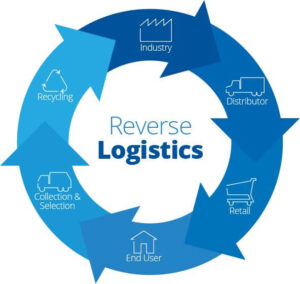
Reverse logistics is the process of moving goods backward in the supply chain, from the customer back to the seller or manufacturer. Instead of ending at delivery, the product journey continues in the opposite direction for a new purpose.
Imagine you order a shirt online. When it arrives, the size doesn’t fit, so you return it.
Instead of just being “sent back,” the shirt goes through a process:
- It is inspected
- It may be cleaned or repaired
- It is restocked for resale or sent for recycling if damaged
That entire journey backward is reverse logistics in action.
8 Main Types of Reverse Logistics
Depending on the situation, reverse logistics can take different forms. Below are the main types of reverse logistics and how each one works in business operations.
1. Returns Management
This process deals with product returns from customers or even reducing returns before they happen. It focuses on making returns fast, controlled, visible, and simple for both customers and businesses. Customers often judge a company based on how smooth its return process is.
2. Remanufacturing or Refurbishment
This type of reverse logistics involves repairing, rebuilding, and restoring used or damaged products so they can be sold again. Activities include refurbishing, reconditioning, and remanufacturing. Companies may also recover usable parts from old products, a process known as cannibalization of parts.
3. Packaging Management
Packaging management focuses on reusing and recycling packaging materials to reduce waste and improve sustainability. This includes collecting used boxes, pallets, containers, and other packaging materials for reuse in future shipments.
4. Overstocks
This type of reverse logistics deals with products that are returned from retailers back to manufacturers or distributors. Unsold goods may result from low sales, excess inventory, outdated stock, or delivery refusal.
5. End-of-Life (EOL) Products
End-of-life products are items that are no longer useful, functional, or needed by customers. This may happen because the product is outdated or replaced by newer versions. At this stage, companies usually recycle, dismantle, or safely dispose of the product. Proper EOL management is important for reducing environmental impact and meeting sustainability goals.
6. Delivery Failure Returns
Delivery failure occurs when products cannot be successfully delivered to customers. In this case, the items are sent back to sorting centers and then returned to their original location. In some cases, logistics teams may identify the issue—such as incorrect addresses—and attempt to resend the package.
7. Rentals and Leasing Returns
When rental or leased equipment reaches the end of its contract, it must be returned to the company. These items are then inspected, repaired, refurbished, or redeployed for future customers. This type of reverse logistics is common in industries like machinery, electronics, and vehicle leasing.
8. Repairs and Maintenance
This process involves fixing defective or damaged products so they can be reused or returned to customers. Repairs help extend product life and reduce waste. Maintenance ensures products remain in good condition and continue to function properly, especially for technical equipment or high-value goods.
5 R's of Reverse Logistics
The 5R of Reverse Logistics refers to five key strategies businesses use to manage returned products and recover value from the reverse flow of goods. These steps help companies reduce waste, improve efficiency, and create a more sustainable supply chain.
1. Returns
This is the first step where products are sent back from customers due to defects, wrong items, or dissatisfaction. The goal is to process returns quickly and efficiently while maintaining a smooth customer experience.
2. Resell
Returned items that are still in good condition are checked, repackaged, and put back into inventory for resale. This helps businesses recover revenue from products that would otherwise be a loss.
3. Reuse
Reusable components, materials, or packaging from returned goods are used again in production or logistics processes. This reduces material waste and lowers operational costs.
4. Repair
Defective or damaged products are fixed and restored to working condition. Once repaired, they can be returned to customers, resold, or used as refurbished items.
5. Recycle
Products or materials that cannot be repaired or reused are broken down and recycled into raw materials. This supports environmental sustainability and reduces landfill waste.
Inside Reverse Logistics: How It Works
1. Return Request
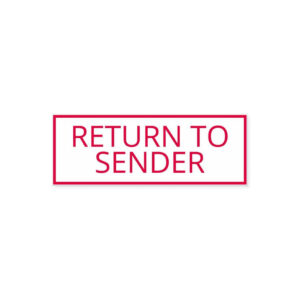
Source: Pinterest
The process begins when a customer initiates a return, refund, or warranty claim. This can be done through an online platform, retail store, or service center depending on the company’s return policy.
2. Collection & Return Flow
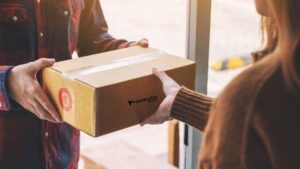
Source: Pinterest
Once approved, the product is collected from the customer or dropped off at a return point. It is then transported back to a warehouse, distribution center, or third-party logistics (3PL) facility for processing.
3. Triage & Inspection
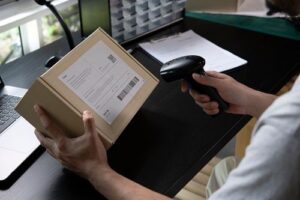
Source: Pinterest
Returned items are inspected to determine their condition and reason for return. Based on the evaluation, products are sorted into categories.
4. Disposition Decision (5 R’s Routing)
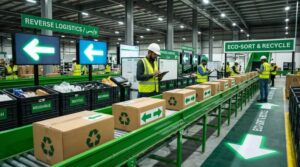
Source: Pinterest
Finally, based on the inspection results, the product is directed to its final outcome—such as restocking into inventory, reselling in secondary markets, repairing and refurbishing, repackaging for resale, recycling into raw materials, or safe disposal according to regulations.
Reverse Logistics vs Traditional Logistics: What’s the Difference?
Both reverse logistics and traditional logistics are key parts of the supply chain, but they work in opposite directions and serve different purposes.
| Aspect | Reverse Logistics | Traditional Logistics |
| Direction of flow | From customer back to seller/manufacturer | From seller/manufacturer to customer |
| Main Purpose | Manage returns and recover product value | Deliver products efficiently to customers |
| Product focus | Returned, used, or defective products | New products being delivered |
| Goal | Reduce waste and recover value from returns | Ensure fast and accurate delivery |
What Are the Benefits of Reverse Logistics?
Cost Reduction
Reverse logistics helps businesses reduce losses by recovering value from returned products. Items can be resold, repaired, or recycled instead of being discarded, which lowers overall operational costs.
Higher Customer Satisfaction
A smooth return process makes customers feel more confident when buying. Easy returns and exchanges improve trust and encourage repeat purchases.
Efficient Inventory Recovery
Returned products can be inspected and added back into inventory if they are still usable. This helps businesses maintain better stock levels and reduce wasted products.
Increased Sustainability
Reverse logistics supports eco-friendly practices by reducing landfill waste. Recycling and reusing materials help businesses lower their environmental impact.
Better Brand Reputation
Companies that manage returns well are seen as reliable and customer-focused. This improves brand image and builds long-term customer loyalty.
5 Common Challenges of Reverse Logistics
Complex Return Management
Managing different types of returns (damaged, wrong item, warranty claims) can be complicated. Each return requires inspection and a different handling process.
Environmental and Compliance Pressure
Businesses must follow strict environmental rules for disposal and recycling. Failing to comply can lead to penalties and reputational damage.
Lack of Proper Infrastructure
Many businesses do not have a dedicated system or warehouse setup for handling returned goods efficiently, which slows down operations.
Slow Processing and Delays
Returned products need to be checked, approved, and sorted before next action. Delays can reduce customer satisfaction and increase holding costs.
Unpredictable Return Volumes
Return rates can fluctuate based on season, product type, or promotions, making planning and resource allocation difficult.
How EasyParcel Supports Reverse Logistics?
Get Instant Quotes
Send More Parcels at Once
Save time, save cost with less click!
Integrations
Sync all your store orders and experience seamless booking experience in one click
Explore NowEasyParcel supports reverse logistics by making product returns and exchanges simpler, faster, and more affordable for online sellers and SMEs.
Through EasyParcel, you can compare courier prices, book return deliveries and arrange doorstep pickups without complicated procedures. This helps streamline the entire reverse logistics process, making it more organized, efficient, and cost-effective.
Reverse logistics plays an important role in ensuring smooth handling of product returns, exchanges, and refunds. When managed effectively, it helps businesses reduce operational costs, improve efficiency, and maintain strong customer satisfaction while building long-term trust.
Simplify your reverse logistics process today with EasyParcel. Sign up for FREE and enjoy a RM10 discount coupon now!
FAQs
1. What is the meaning of reverse logistics?
Reverse logistics is the process of moving products from customers back to the business or manufacturer. It includes returns, repairs, refurbishment, recycling, and proper disposal of goods after sale.
2. What are the 5 R’s of reverse logistics?
The 5 R’s of reverse logistics are returns, resell, reuse, repair, and recycle.
3. What industries use reverse logistics?
Reverse logistics is used in many industries such as e-commerce, retail, electronics, automotive, manufacturing, fashion, and logistics services. Any business that deals with product returns or repairs uses reverse logistics.
4. What is the main goal of reverse logistics?
The main goal of reverse logistics is to recover value from returned products while reducing waste and improving supply chain efficiency. It also helps businesses improve customer satisfaction and support sustainability.