Singapore
 Thailand
 Indonesia
Have you ever found the perfect item online from another country, only to be hit with a surprise bill for ‘customs duty’ before you could get your package? That frustrating experience stems from a common point of confusion.
What was that extra charge, and why did you have to pay it? Those unexpected import fees feel like a tax, but they are something else entirely. In practice, a tax is what you pay internally to fund your community, while a duty is a fee charged specifically on goods crossing an international border. This guide breaks down the differences so you can shop globally with confidence.
Summary
This guide explains the difference between taxes (internal public funding), duties (border charges on imported goods), and tariffs (protective duties that can raise prices on foreign products). It outlines how import fees are calculated using HS codes and declared value, and clarifies related charges like VAT/GST and excise taxes. It also contrasts progressive and regressive taxes and distinguishes deductions from credits, including foreign tax credits. With these basics, you can better understand customs fees, trade policies, and your receipts when buying across borders.
What Are Taxes For? From Your Paycheck to Public Parks
At its core, a tax is a fee for living in a functioning society. The money is pooled to fund public services we all use but couldn’t afford individually, from the roads we drive on and the schools our children attend to the military that keeps the country safe. It’s the financial engine that powers the community and the nation.
The most familiar type is income tax, the portion of your earnings that goes to the federal government. You see this deduction on your paycheck, and it’s typically the largest tax you’ll pay. This money funds large-scale national programs, such as Social Security, healthcare initiatives, and infrastructure maintenance.
Then there’s the tax on almost every shopping receipt: sales tax. This is a smaller percentage added to the price of goods and services you buy. Unlike federal income tax, sales tax is usually set by your state or city. It’s a primary source of local government funding, paying for services like your neighborhood fire department, public parks, and road repairs.
Tax vs. Duty: What’s the Real Difference?
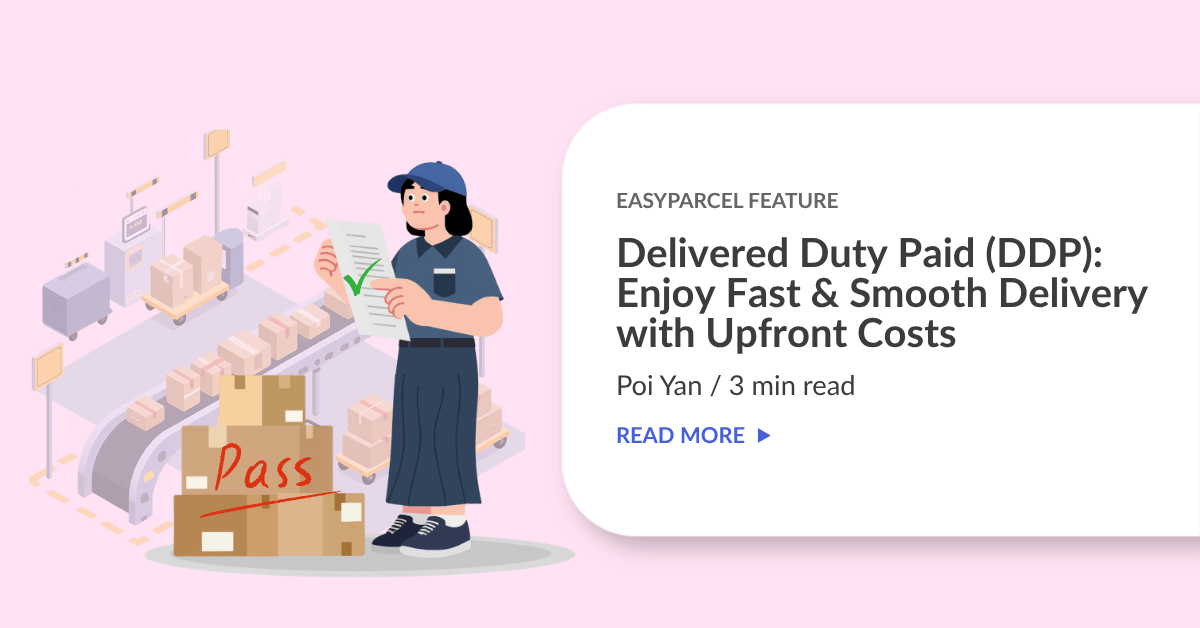
It’s easy to confuse these charges, but the distinction is simple. Taxes are internal payments to keep your community running smoothly. A duty , on the other hand, is a toll paid to bring something new into the country from the outside.
Taxes are generally collected internally to fund public services. A duty is a charge levied specifically on goods as they cross a national border. The government agency responsible for collecting these fees is Customs, which is why you’ll hear the term “customs duty.”
While duties generate revenue, they often serve a strategic purpose. They can be used to make imported goods more expensive, giving locally-made products a competitive edge. This specific type of protective duty is a tool for shielding a nation’s industries from foreign competition.

What Is a Tariff? A Protective Shield, Not Just a Fee
This protective duty has a specific name: a tariff. A tariff is a special tax aimed squarely at certain imported goods to make foreign products more expensive. For example, a 25% tariff on imported shoes would make a $100 pair from overseas cost $125, giving a locally made $110 pair a price advantage with shoppers.
This strategy of using taxes to shield a country’s own businesses from foreign competition is known as protectionism. The core idea is to protect local jobs and industries. While it can help businesses at home, it also means consumers may face higher prices or have fewer choices, sparking a major debate among economists and policymakers.
To prevent trade chaos, the World Trade Organization (WTO) acts as a global referee. This international body creates and enforces the rules for global trade, helping countries negotiate agreements to keep things fair and predictable. These big-picture trade agreements directly influence the final price you pay for goods from other countries.
How Are Import Fees Calculated on Your Goods?
To figure out the fee, customs officers first need to know exactly what’s in the box. Every product is assigned a universal product code known as a Harmonized System (HS) Code. Think of it as a passport for your product, telling every customs agency in the world precisely what it is, what it’s made of, and its general purpose.
Once the item is identified by its HS code, the destination country’s rules apply. For most consumer goods, the import duty is calculated as a percentage of the item’s declared value. This percentage is set by the country and is different for nearly every category of product. A leather handbag, for example, will have a different duty rate than a set of ceramic coffee mugs.
For instance, say you buy a wool sweater from another country for $100. Its HS code tells customs it’s a wool sweater, and the country’s duty rate for that item is 8%. You would owe $8 in duties ($100 x 8%). Unfortunately, this duty is often not the only charge.
VAT, GST, and Excise Tax: Decoding Other Common Charges
That final surprise fee on an imported item is often a Value-Added Tax (VAT) or a Goods and Services Tax (GST). These are essentially the international equivalent of the sales tax you’re already familiar with. Many countries, particularly in Europe and Asia, use a VAT or GST system. For the final buyer, it appears as one final percentage added to your purchase price, just like a sales tax.
Some products get hit with an even more specific charge called an excise tax. This isn’t a broad tax on all sales; it’s a targeted fee placed on particular goods, most commonly gasoline, alcohol, and tobacco. These taxes are often added to discourage consumption or to create a dedicated fund for related services, like using fuel taxes to pay for road repairs.
Progressive vs. Regressive: Why a $10 Tax Hits Some Harder Than Others
Not all taxes are created equal in how they affect people. A flat $10 tax on gas hits a minimum-wage worker harder than a surgeon, which is the core concept behind progressive and regressive tax systems.
Our income tax system is a prime example of a progressive tax . Instead of charging everyone a single flat rate, it uses tax brackets , or tiers. You pay a lower tax percentage on your first chunk of income and a higher percentage only on the money you earn above that level. This structure is designed so that higher earners contribute a larger share of their income in taxes.
On the other hand, sales tax is generally considered a regressive tax. While the 7% rate on a new TV is the same for everyone, that tax takes a much bigger bite out of a smaller budget. Because lower-income households must spend a larger portion of their money on essential goods, a flat sales tax consumes a greater percentage of their total earnings over time. The difference lies in fairness, which is why governments also create ways for people to reduce their tax burden.
Tax Credits vs. Deductions: Two Powerful Ways to Lower Your Tax Bill
Tax systems offer ways to lower your final bill, and the two most powerful tools are tax deductions and tax credits. While they sound similar, they work differently.
A tax deduction is a discount on your total income before it gets taxed. Common tax-deductible expenses include contributions to a retirement account or interest paid on student loans. A deduction reduces your “taxable income,” so the government calculates your tax on a smaller amount of money.
In contrast, a tax credit directly subtracts from the amount of tax you owe. It is far more valuable dollar-for-dollar:
- Deduction: A $1,000 deduction might save you $220 in taxes.
- Credit: A $1,000 credit saves you the full $1,000.
This principle of fairness also helps in avoiding double taxation on foreign income. If you work abroad and pay income tax to another country, your home country may offer you a tax credit for that amount, ensuring you only pay your fair share once.
Key Takeaways: Shop Globally with Confidence
Understanding the world of commerce comes down to a few core distinctions:
- Taxes: Internal fees used to fund your society (like roads and schools).
- Duties: External fees on goods crossing borders, solving the mystery of customs fees.
- Tariffs: A special type of duty designed to protect local industries.
With this foundation, you’re not just a better shopper—you’re a more informed citizen. The next time you hear a news story about trade or look at a receipt, you’ll see more than just numbers. You’ll see the systems that shape our economy, empowered by the knowledge of how it all connects.