Social Commerce Explained: Platforms, Benefits, Tips and Trend

Social Commerce Explained Platforms, Benefits, Tips and Trend

Table of Contents

Social commerce lets businesses sell directly on social media, helping them reach customers, increase sales, and build trust. This blog covers what social commerce is, top platforms like TikTok and Instagram, key features like in-app checkout and livestream shopping, 2026 trends and tips, and how EasyParcel can support social commerce sellers with reliable shipping.

What Is Social Commerce?

Social commerce is a form of eCommerce built into social media platforms where users can browse, engage, and buy products without leaving the app. It turns social feeds into interactive shopping experiences and shortens the customer journey from discovery to checkout by removing friction between seeing a product and purchasing it.

Unlike traditional eCommerce that redirects customers to external websites, social commerce completes the entire shopping process — product discovery, product exploration, and purchase — all inside the social platform’s interface.

Benefits of Social Commerce for Businesses

Meet Customers where They Spend Time

Social media is part of daily life; integrating shopping here increases visibility and impulse purchases.

Increase Product Sales

In‑app checkout and shoppable content eliminate extra clicks and page loads.

Build Brand Trust

User‑generated content, reviews, and influencer endorsements build trust faster than traditional ads.

Grow Brand Engagement

Interactive features like comments, live shopping, and direct messaging strengthen the customer relationship and feedback loop.

Boost conversions and loyalty

A shorter path to purchase and personalized experiences help increase sales and repeat customers.

Popular Platforms Drive Social Commerce

tiktok shop logo

TikTok Shop

A rapidly growing shopping ecosystem powered by algorithm‑driven discovery and creator‑led content.

Instagram logo 1

Instagram

Enables product tags, in‑feed shopping, and in‑app checkout combined with visual storytelling.

Facebook logo 1

Facebook

Offers digital storefronts and Marketplace features that integrate commerce into social interaction.

Trends and Tips of Social Commerce

1. Create Short, Engaging Content

Short-form-video
Image From Taggbox

Short‑form videos and Reels are highly effective for discovery and conversion.

2. Leverage Livestream Shopping

Livestream Shopping
Image From MikMak

Real‑time demonstrations with interactive Q&A boost urgency and conversions.

3. Use Influencer and Creator Partnerships

Image From Squarelovin

Influencers add authenticity and amplify reach within trusted communities. 

Ship in Minutes with QuickSend – A Free Online Order Form

No account setup needed! Use QuickSend, EasyParcel’s free online order form, to book your shipment quickly and hassle-free.

4. Personalize Feeds with AI

Personalize Feeds with AI
Image From Wiser

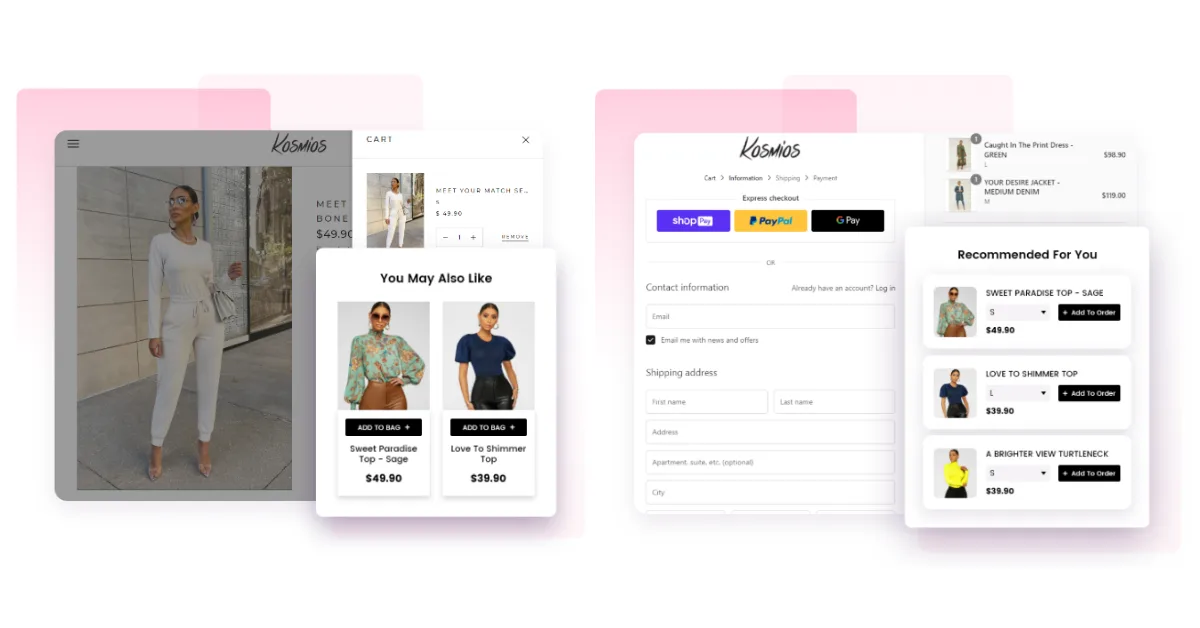
AI‑powered product recommendations make shopping more relevant and increase engagement.

5. Embrace Social Proof and UGC

UGC example
Image From Medium

Reviews, testimonials, and authentic user content reduce barriers to purchase.

How EasyParcel Can Support Your Social Commerce Strategy

Convenient

EasyParcel lets you compare multiple courier services, book delivery services and manage shipment in one dashboard, saving time and hassle.

Increase Customer Satisfaction

Support fast delivery preferences that social buyers often expect (e.g., express or next‑day).

Less Risk of Loss

Tracking system boosts post‑purchase confidence and reduces customer support queries.

Frequently Asked Question (FAQs)

What do you mean by social commerce?
Social commerce refers to buying and selling products directly through social media platforms, where product discovery, interaction, and checkout happen within the same social environment.
Is TikTok a social commerce platform?
Yes. TikTok supports social commerce by allowing users to discover products through videos, live streams, and in-app shopping features that enable direct purchases.
What is an example of social e-commerce?
Examples include shopping through TikTok Shop, Instagram Shopping, or Facebook Marketplace, where users can browse and buy products without leaving the platform.
What is the difference between social commerce and ecommerce?
Social commerce happens within social media platforms and focuses on content-driven discovery, while traditional ecommerce usually takes place on standalone websites or online marketplaces.

Join 1.5 Million Happy Customers & Start Saving

Create your free account today and receive S$6 shipping coupon to start saving from your very first parcel. Compare courier rates, book in minutes, and start saving immediately.
×