Singapore
 Thailand
 Indonesia
Halal logistics is becoming increasingly important as the global halal market continues to expand. And if you’re wondering why it matters so much, it’s because businesses today can’t just stop at certification—they need to make sure every step, from storage to transportation to delivery, keeps halal products truly halal.
So, what exactly is going on behind the scenes?
In this blog, you’ll learn everything you need to know about halal logistics and why it’s a key part of a trusted supply chain.
Contents
What Is Halal Logsitics?
Halal logistics is all about making sure halal products stay truly halal from the moment they are sourced until they reach you. It follows Islamic (Shariah) requirements and carefully manages every step of the supply chain—from raw materials, to storage, packaging, transportation, and final delivery.
But have you ever wondered how businesses actually prevent halal products from getting mixed with non-halal items? Here’s how it works. Halal products are stored separately, transported using dedicated vehicles, and clearly labeled to avoid any confusion. Even the smallest detail matters, because one mistake can affect the integrity of the product.
And it doesn’t stop there. In Malaysia, companies also rely halal certification from the Department of Islamic Development Malaysia, better known as JAKIM, to ensure everything is handled correctly. So when you see a halal label, you can trust that a strict system has been followed behind the scenes.
Halal Logistics vs Conventional Logistics: What’s the Difference?
| Aspect | Halal Logistics | Conventional Logistics |
| Product Handling | Ensures products remain halal and compliant with Islamic (Shariah) requirements |
Focuses mainly on speed, cost, and efficiency of delivery |
| Storage & Transport | Halal goods stored and transported separately to avoid contamination |
Products may share storage space and transport |
| Compliance | Must follow Islamic (Shariah) requirements and halal certification (e.g., JAKIM in Malaysia) |
Follows general logistics regulations only |
| Control | Strong focus on preventing contamination with non-halal items | Minimal or no focus on contamination risks |
| Purpose | Protects halal integrity and builds Muslim consumer trust | Focuses mainly on cost, speed, and efficiency |
5 Core Principles of Halal Logistics
1. Strict Separation of Halal and Non-Halal Goods
Source: Pinterest
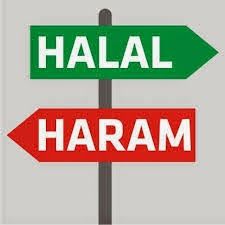
In halal logistics, separation is the most important rule. Halal products must always separate from non-halal items like pork, alcohol, or anything haram. This separation happens at every stage—storage, transport, and delivery. Even a small contact can affect the halal status, so companies are very careful. They use different storage areas, separate trucks, and strict handling systems to make sure nothing gets mixed.
2. Cleanliness and Hygiene at Every Stage

Source: Pinterest
Cleanliness is a big part of halal logistics because it protects the purity of the product. Before halal goods are handled, warehouses, trucks, and equipment must be properly cleaned. Workers also follow hygiene rules like wearing clean uniforms and handling products carefully. This ensures that halal goods stay clean and safe from the beginning until they reach the customer.
3. Zero Cross-Contamination Policy

Source: Pinterest
Cross-contamination is one of the biggest risks in halal logistics. It can happen when halal and non-halal items accidentally touch or share the same tools, containers, or space. To prevent this, companies use strict systems like sealed packaging, dedicated equipment, and careful loading processes. The goal is simple, it to keep halal products 100% protected with zero mixing.
4. Full Traceability and Transparency

Source: Pinterest
Halal logistics is not just about moving goods, but also knowing exactly where they go. Every product must be traceable from its origin to the final customer. Companies record every step, including sourcing, storage, and transportation. This makes the process transparent and helps prove that halal standards were followed throughout the journey.
5. Halal Certification Compliance

Source: Pinterest
Halal logistics must follow official halal certification rules. These rules make sure every step in the supply chain meets Islamic requirements. Certification acts like a guarantee that the product has been handled correctly and safely. It also gives customers confidence that what they receive is truly halal.
Why Are Halal Logistics Very Important?
Builds Trust With Customers
Customers can trust that every product has been handled according to Islamic requirements, which builds strong trust and confidence in the brand.
Protects Halal Status
Halal logistics prevents this by ensuring strict separation at every stage of the supply chain, keeping products fully halal until delivery.
Opens Big Global Opportunities
With proper halal logistics systems in place, businesses can expand into major markets such as Southeast Asia, the Middle East, and other regions where halal demand is high.
Keeps Products Clean and High Quality
Halal logistics places strong focus on cleanliness, proper handling, and well-controlled storage conditions, which help protect halal integrity while also improving product quality, safety, and freshness.
Compare 60+ Courier Rates Instantly with EasyParcel
In halal logistics, it is important to ensure that products are not only halal in content, but also handled, stored, and delivered in a trustworthy and transparent way.
With EasyParcel, you can compare 60+ courier services instantly to choose the most reliable and suitable delivery option for halal products.
Compare Courier Rates
Compare shipping prices from multiple courier partners and find the best deal for your parcel instantly.
Halal logistics ensures products remain halal throughout the entire supply chain, from production to delivery. It plays an important role in building trust, safety, and confidence for consumers.
Need a fast and hassle-free way to send your halal products? Sign up FREE with EasyParcel and unlock a RM10 voucher for your first parcel delivery.
FAQs
1. Does halal logistics only apply to food?
No. Halal logistics applies not only to food, but also to pharmaceuticals, cosmetics, personal care products, and other consumer goods. It ensures all products are handled according to halal requirements throughout the supply chain.
2. What is the difference between halal and conventional logistics?
Halal logistics focuses on strict compliance with halal standards, including separation of halal and non-halal goods, cleanliness, and traceability. Conventional logistics mainly focuses on cost, speed, and efficiency without specific religious compliance requirements.
3. How can I ensure my logistics provider is halal-compliant?
In Malaysia, you can check if the provider is certified by Department of Islamic Development Malaysia (JAKIM).