Singapore
 Thailand
 Indonesia
Think about every product you use daily — before it was ever made, all the materials had to come from somewhere. That journey of bringing raw materials from suppliers into a business is called inbound logistics.
In this blog, we’ll break down inbound logistics in a simple and easy-to-understand way so you can see how it really works behind the scenes of every business.
Contents
What Is Inbound Logistics?
Inbound logistics refers to the process of moving raw materials, supplies, or goods from suppliers to a business. It includes activities such as sourcing, purchasing, transportation, receiving, warehousing, and inventory management.
In simple terms, it is everything involved in getting the materials a business needs before products can be made or sold. It plays a key role in ensuring smooth operations, reducing delays, and maintaining an efficient supply chain.
Why Inbound Logistics Matters More Than You Think?
Ensures Smooth Production Flow
Inbound logistics ensures raw materials arrive on time and in proper condition to prevent production delays and maintain uninterrupted operations.
Reduces Total Operational Costs
Efficient inbound logistics lowers procurement, transportation, and storage costs by improving planning and reducing unnecessary purchases.
Strengthens Inventory Accuracy and Control
It improves inventory visibility and tracking, helping businesses avoid overstocking or shortages while maintaining optimal stock levels.
Contributes to Better Customer Satisfaction
Reliable inbound logistics supports consistent product availability, ensuring businesses can meet customer demand on time.
Inbound Logistics Process: How It Works Step by Step
1. Sourcing

Source: Pinterest
Sourcing is the process of finding and selecting the right suppliers who can provide the materials a business needs. Companies compare suppliers based on price, quality, reliability, and delivery performance.
2. Purchasing
Source: Pinterest
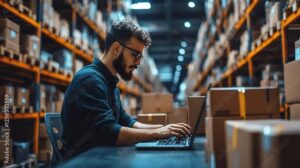
Once the supplier is selected, the business places an order (purchase order) for the required materials. This step clearly defines what is needed, how much is needed, and when it should arrive.
3. Transportation
Source: Pinterest
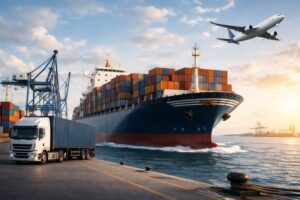
After the order is confirmed, the supplier arranges delivery. The goods are moved using trucks, ships, or planes depending on distance, cost, and urgency.
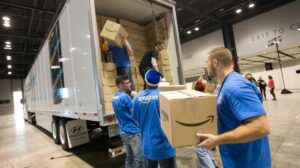
4. Receiving
Source: Pinterest
When the shipment arrives, the business checks everything carefully. They compare it with the order to make sure the quantity, condition, and items are correct before accepting them.
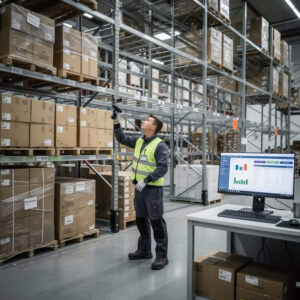
5. Warehousing
Source: Pinterest
After approval, the materials are stored properly in the warehouse. Everything is organized in a systematic way so items can be found quickly when production needs them.
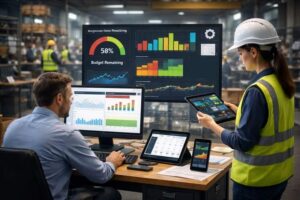
6. Inventory Management
Source: Pinterest
Inventory management involves tracking all incoming materials using a system. Businesses monitor stock levels, usage rates, and available quantities.
Inbound Logistics vs Outbound Logistics: What’s the Key Difference?
While both are critical to supply chain management, inbound and outbound logistics focus on different stages of the product journey.
| Feature | Inbound Logistics | Outbound Logistics |
| Direction of Flow | Movement of raw materials, components, and supplies from suppliers to the business | Movement of finished goods from the business to customer |
| Primary Objective | Ensure a continuous and efficient supply of materials for production and operations | Ensure timely, accurate, and cost-effective delivery of products to customers |
| Core Activities | Supplier coordination, procurement, receiving goods, inventory storage, and material handling | Order fulfillment, warehousing of finished goods, packaging, transportation, and distribution |
| Primary Stakeholders | Suppliers, vendors, and freight carriers | Wholesalers, distributors, and end consumers |
How to Improve Inbound Logistics Efficiency?
Strengthen Supplier Coordination
Build clear communication and planning with suppliers to ensure raw materials are delivered on time and meet required quality standards.
Optimize Procurement Planning
Forecast demand accurately and plan purchases in advance to avoid rush orders, delays, and unnecessary transportation costs.
Implement Real-Time Tracking Systems
Use tracking tools like EasyParcel's EasyTrack to monitor incoming shipments, improve visibility, and reduce uncertainty in delivery schedules.
Partner with Reliable Logistics Providers
Work with trusted carriers to ensure safe, timely, and cost-effective transportation of goods from suppliers to your facility.
Analyze Performance Metrics Regularly
Tracking key logistics KPIs such as delivery time, order accuracy, and shipping costs helps identify gaps and continuously improve efficiency.
Top 5 Challenges in Inbound Logistics Operations
Supplier Delays and Inconsistency
Unreliable supplier delivery schedules can disrupt production planning and cause delays in the entire supply chain.
Poor Inventory Visibility
Lack of real-time tracking makes it difficult to monitor incoming goods accurately, leading to stock imbalances and operational inefficiencies.
Limited Warehouse Capacity
Insufficient storage space can cause congestion at receiving points and delay the unloading and proper organization of incoming goods.
Lack of Process Standardization
Inconsistent inbound procedures across suppliers or departments can lead to errors, inefficiencies, and difficulty in maintaining quality control.
High Transportation Costs
High transportation costs occur when inefficient routing, fluctuating fuel prices, or poor carrier selection increase the expense of moving raw materials from suppliers to the business.
Simplify Your Logistics Journey with EasyParcel
Make your logistics journey smooth and hassle-free with EasyParcel. You can compare over 60 courier services in one platform to find the most efficient and cost-effective delivery solution for your business.
Compare Courier Rates
Compare shipping prices from multiple courier partners and find the best deal for your parcel instantly.
Inbound logistics plays a crucial role in ensuring that businesses operate smoothly from the very beginning of the supply chain. A well-structured inbound logistics system ultimately strengthens overall business performance and supports long-term growth.
Ready to simplify your shipping process? With EasyParcel, you can compare courier rates in one place, and select the most suitable delivery option for your business needs. Sign up for FREE today and enjoy a RM10 discount coupon to kick-start your first delivery with EasyParcel!
FAQs
1. What is inbound vs outbound logistics?
Inbound logistics refers to the process of receiving raw materials, supplies, or goods into a business from suppliers, while outbound logistics involves delivering finished products from the business to end customers.
2. What are the roles of inbound logistics?
The main roles of inbound logistics include sourcing materials, managing supplier coordination, transporting goods, receiving shipments, inspecting quality, and storing inventory in warehouses.
3. What is the goal of inbound logistics?
The goal of inbound logistics is to ensure that raw materials and supplies are delivered efficiently, on time, and in good condition to support smooth production and uninterrupted business operations.