Singapore
 Thailand
 Indonesia
If your business imports or exports goods, there’s one small detail that can make a big difference in how smoothly your shipments move across borders—the EORI number. Required by customs authorities in the European Union (EU) and United Kingdom (UK), an EORI number acts like a unique customs ID for your business.
So, what is an EORI number?
In this blog, we explore all you need to know about the EORI number, from what it is and why it matters to how it works in international trade.
Contents
What Is an EORI (Economic Operators Registration and Identification) Number?
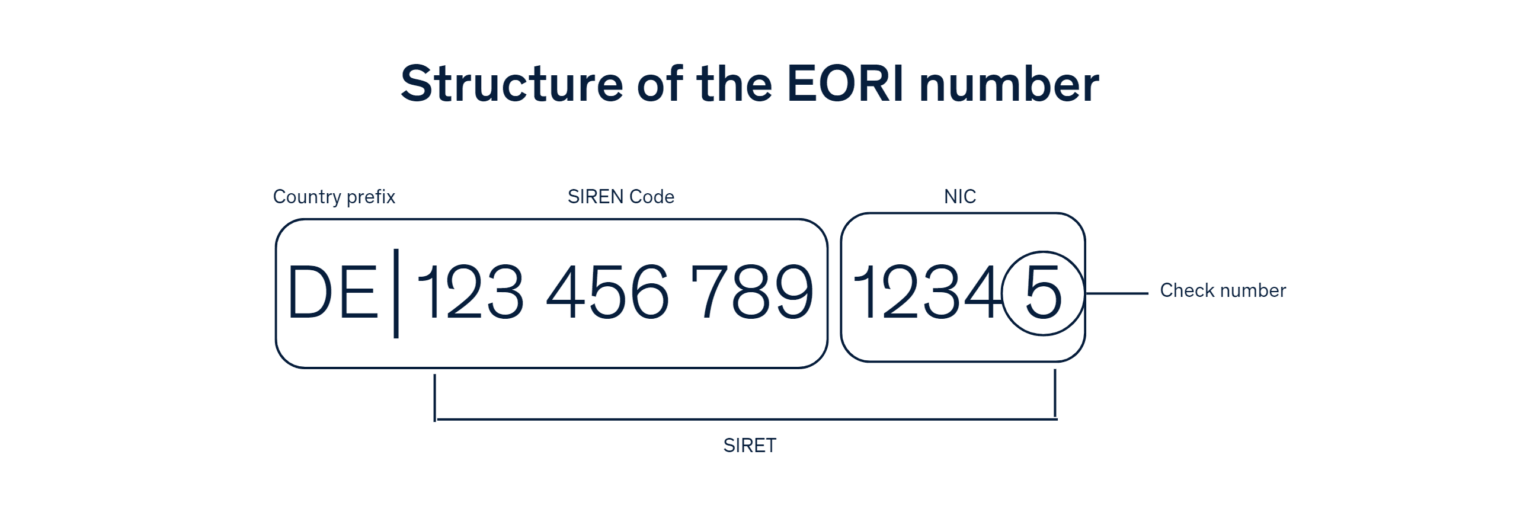
Source: eClear
An EORI (Economic Operators Registration and Identification) number is a unique identification number used by customs authorities in the European Union (EU) and United Kingdom (UK) to track and register businesses that import or export goods.
It acts like a customs ID card for your business when you move goods across international borders. It helps customs officials quickly identify traders and process shipments more efficiently.
Who Needs an EORI Number?
An EORI (Economic Operators Registration and Identification) number is required for businesses involved in importing or exporting goods to or from the European Union (EU) and United Kingdom (UK). It is used by customs authorities to identify traders and process shipments efficiently during international trade.
EU & UK-Based Businesses
Businesses established in the European Union (EU) or the United Kingdom (UK) need an EORI number if they import or export goods. They must register for an EORI number with the relevant customs authority in their country, and it will be used for customs declarations to ensure smooth clearance and compliance with import and export regulations.
Non-EU Businesses (e.g., Malaysia)
Businesses based outside the EU/UK, such as those in Malaysia, also need an EORI number if they are sending goods into the EU/UK or dealing with customs declarations there. This is especially important for exporters, e-commerce sellers, and logistics providers handling international shipments.
Without an EORI number, customs authorities may not be able to process your goods, which can lead to delays, additional checks, or shipment rejection at the border.
Why Is an EORI Number Important for Import and Export in the EU/UK?
Smooth Customs Clearance
An EORI number helps goods move quickly through customs without delays. It allows authorities to identify your business and process shipments faster.
Required for Import & Export
It is a mandatory requirement for businesses trading goods in or out of certain regions, especially when dealing with international shipments.
Faster Shipping Process
With a valid EORI number, customs documentation is processed more efficiently, reducing waiting time at borders and ports.
Legal Compliance for Businesses
Having an EORI number ensures your business complies with international trade regulations and avoids penalties or shipment rejection.
Reduces Risk of Shipment Delays or Rejections
An EORI number ensures all customs records are properly registered, helping prevent delays, fines, or rejection of your goods at the border.
How to Get an EORI Number?
The process of obtaining an EORI (Economic Operators Registration and Identification) number depends on where your business is established. Here’s what you need to know:
For Malaysian Businesses
If your business is based in Malaysia and exports goods to the EU or the UK, you may not need to apply for an EORI number yourself if your customer or importer is responsible for customs clearance. In this case, the importer usually uses their own EORI number to clear the goods.
Before shipping your goods, make sure to:
- Confirm who is responsible for customs clearance.
- Check whether an EORI number is required for your shipment.
- Ensure all shipping and customs documents are completed accurately to avoid delays.
For EU Businesses
Businesses established in the European Union must obtain an EORI number before importing or exporting goods. The application is made through the customs authority in the EU country where the business is registered.
Once approved, the EORI number can be used for customs declarations across all EU member states.
For UK Businesses
Businesses established in the United Kingdom must apply for a UK EORI number before importing or exporting goods. The application is submitted through the UK customs authority.
A UK EORI number is required for customs declarations and helps ensure goods move smoothly through UK customs. Businesses should apply before arranging international shipments to avoid delays or additional customs checks.
EORI Number vs HS Code: What's the Real Difference?
Two commonly mixed-up terms are the EORI Number and the HS Code. While both are essential for customs clearance, they are used in very different ways.
| Aspect | EORI Number | HS Code |
| Full Name | Economic Operators Registration and Identification Number | Harmonized System Code |
| Purpose | Identifies businesses or individuals trading internationally | Classifies products for international trade |
| Affects Duties & Taxes | No | Yes, determines applicable duties, taxes, and trade regulations |
| Number Per Business | Usually one EORI number per business | Multiple HS codes may be used depending on the products traded |
| Example | GB123456789000 | 8471.30 |
What Happens If You Don’t Have an EORI Number in EU/UK Customs?
Customs Clearance Delays
Without an EORI number, customs authorities cannot process your import or export declaration, leading to clearance delays.
Goods Held
Shipments entering or leaving the countries may be stopped until a valid EORI number is provided, causing unexpected hold-ups.
Trade Blocked
You cannot legally complete import or export activities with these countries without EORI registration.
Possible Fines or Compliance Issues
Businesses may be fined for incorrect or incomplete customs declarations, including missing EORI details.
Feeling confused about EORI number requirements for import and export in the EU or UK? From customs registration and business details to shipping compliance, it can quickly become complicated and time-consuming to get everything right.
No worries—EasyParcel is here to help you simplify your shipping process!
Deliver Your Parcels to 220+ Countries with EasyParcel

With EasyParcel, sending parcels worldwide is simple and stress-free. You can reach over 220+ countries and connect with 60+ courier services all in one platform, making it easy to compare prices, book shipments, and manage deliveries effortlessly.
Whether you’re shipping small packages or expanding your global business, EasyParcel helps make international delivery more affordable, convenient, and efficient.
For more details on international shipping options, you can refer here.
An EORI number is an essential requirement for businesses involved in importing or exporting goods to the EU or the UK. It helps ensure smooth customs clearance, reduces the risk of shipping delays, and keeps your business compliant with international trade regulations.
Ready to send your products overseas? Sign up for FREE and enjoy a RM10 discount coupon now!
FAQs
1. Is EORI the same as VAT?
No. An EORI (Economic Operators Registration and Identification) number is used for customs identification when importing or exporting goods in EU or UK, while a VAT number is used for tax purposes. Although some businesses may have both, they serve different functions.
2. What happens if I don’t have an EORI number?
Without an EORI number, your goods may be delayed at customs, refused entry or export, or subject to additional checks. This can result in longer shipping times, extra costs, and disruptions to your international trade.
3. Who provides the EORI number?
An EORI number is issued by the customs authority in the country where you apply. For example, businesses trading in the EU apply through the customs authority of their home EU country, while UK businesses apply through the UK customs authority.
4. Who needs an EORI number?
Businesses and individuals that import or export goods to or from the EU or the UK generally need an EORI number. This includes importers, exporters, manufacturers, e-commerce sellers, freight forwarders, and logistics providers involved in international trade.