Singapore
 Thailand
 Indonesia
Ever noticed how customers might discover a product on Instagram, check it on a website, and still walk into a store to buy it? That’s not random—it’s how modern shopping actually works now. This connected experience is called omnichannel retail. It brings together online stores, physical shops, apps, and even social media into one smooth journey, so customers can move between them without any friction or confusion.
In this blog, we’ll break down omnichannel retail in a simple, easy-to-understand way. Let’s get started!
Contents
What Is Omnichannel Retail?
Source: Pinterest
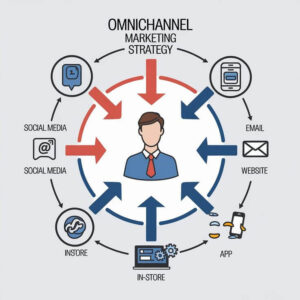
Instead of treating each channel separately, omnichannel retail ensures that customers can move between them smoothly.
For example, a customer might browse a product on a mobile app, check reviews on a website, and then purchase it in-store without any disconnect in pricing, availability, or experience. In simple terms, omnichannel retail means “one brand, many channels, one unified shopping journey.”
5 Common Types of Omnichannel Retail
Omnichannel retail comes in different forms, each designed to connect online and offline shopping into one seamless experience. Here are some key types of omnichannel retail:
1. Online + In-Store Integration
This is the core of omnichannel retail where online and offline channels are fully connected. Customers can check product availability online before visiting a store, see consistent pricing across all platforms, and even start their shopping journey on a website and complete it in-store.
2. Click-and-Collect (BOPIS – Buy Online, Pick Up In Store)
In this model, customers place an order online and collect it from a physical store. It is popular because it removes delivery waiting time and shipping costs. Customers enjoy the flexibility of picking up their items whenever it suits them.
3. Mobile-First Omnichannel
This approach focuses on mobile apps as the main shopping hub. Customers can browse products, receive personalized recommendations, make payments, and track orders directly from their phones. The key advantage is that the mobile experience is connected with websites and physical stores, allowing customers to switch between devices without losing their cart, preferences, or order history.
4. Social Commerce Integration
Social media platforms like Instagram, TikTok, and Facebook are now powerful sales channels. Customers discover products through posts, ads, or influencer content and can either purchase directly on the platform or continue the checkout on the brand’s website.
5. Ship-from-Store Model
Instead of relying only on warehouses, retailers use physical stores as mini-fulfillment centers. Online orders are shipped directly from the nearest store to the customer. This reduces delivery time, optimizes inventory usage, and helps businesses manage stock more efficiently across different locations.
How Omnichannel Retail Works in Practice?
1. Online Browsing

Source: Pinterest
A customer starts their journey by browsing the brand’s website. They explore different products, compare options, and add a few items to their shopping cart. However, they leave the website without completing the purchase. In an omnichannel system, this activity is saved automatically, so the customer can continue their journey later without losing their cart.
2. Mobile App Notification
Source: Pinterest
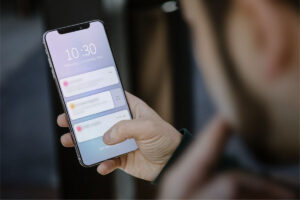
Later, the customer opens the brand’s mobile app. Since all channels are connected, the system recognizes the abandoned cart and sends a personalized push notification. This may include a reminder of the items left behind along with a special discount code or offer to encourage them to complete the purchase. This helps re-engage the customer at the right moment.
3. In-Store Visit

Source: Pinterest
The customer then decides to visit the physical store to see and try the products in person. Store associates use connected systems like tablets or POS (Point-of-Sale) systems to access the customer’s online cart, browsing history, and preferences. This allows them to provide personalized assistance, recommend suitable products, and create a more guided shopping experience.
4. Items Purchase

Source: Pinterest
After trying the products, the customer decides to buy items in-store. The omnichannel system ensures the transactions are linked to the same customer profile. Inventory is updated in real time, and order details are synced across all platforms, ensuring accuracy and preventing stock errors.
5. Loyalty and Post-Purchase Engagement

Source: Pinterest
After the purchase, the customer’s loyalty points are automatically updated across both online and offline channels. Later, the brand sends a follow-up email or app notification with personalized product recommendations based on their purchase and browsing behavior. This helps maintain engagement and encourages repeat purchases.
Omnichannel Retail vs Multichannel Retail: What's the Key Differences?
| Aspect | Omnichannel Retail | Multichannel Retail |
| Definition | Fully integrated channels delivering a seamless customer experience across all touchpoints | Uses multiple sales channels independently without full integration |
| Channel Connection | All channels are connected (online, offline, mobile, social) | Channels operate separately with limited connection |
| Inventory Management | Centralized, and real-time inventory visibility | Separate inventory systems per channel |
| Business Goal | Focus on seamless customer journey and loyalty | Focus on expanding reach through multiple channels |
| Customer Experience | Unified and consistent across all platforms | Varies depending on the channel used |
5 Benefits of Omnichannel Retail
Improved Customer Experience
Omnichannel retail creates a smooth and connected shopping journey across online and offline channels. Customers can switch between websites, apps, and physical stores without confusion, making shopping more convenient and enjoyable.
Higher Sales and Revenue Growth
By connecting all sales channels, businesses reduce missed opportunities and increase conversions. Customers can shop anytime, anywhere, which naturally leads to higher sales and overall revenue growth.
Better Inventory Management
Omnichannel systems allow retailers to track inventory in real time across all locations. This reduces stockouts and overstock situations, improving efficiency and ensuring products are always available when customers need them.
Seamless Shopping Across All Channels
Customers can start their journey on one channel and complete it on another without disruption. For example, they can browse online, buy via mobile, and pick up in-store, creating a truly flexible shopping experience.
Faster Order Fulfillment and Delivery
With options like ship-from-store and click-and-collect, orders are processed faster. This reduces delivery time and improves customer satisfaction with quicker service.
5 Common Challenges in Omnichannel Retail
Complex System Integration
Connecting different systems like POS, e-commerce platforms, inventory management, and CRM can be challenging because they often don’t communicate smoothly with each other.
High Implementation Costs
Setting up an omnichannel system requires investment in technology, software, training, and infrastructure. For small and medium businesses, these upfront costs can be a major barrier.
Data Security and Privacy Risks
With more customer data being collected across platforms, businesses must ensure strong security measures. Any data breach or privacy issue can seriously damage brand reputation.
Data Management Complexity
Omnichannel retail generates large amounts of customer data from multiple touchpoints. Managing, organizing, and analyzing this data effectively can be challenging without the right tools and expertise.
Logistics and Fulfillment Challenges
Coordinating deliveries from warehouses and physical stores can be complicated. Issues like delayed shipping, incorrect order routing, or inefficient fulfillment processes can impact customer satisfaction.
Future Trends of Omnichannel Retail: What's Next?
As omnichannel retail continues to evolve, technology is reshaping how customers shop and how businesses operate. Here are some key trends that will shape the next phase of omnichannel retail:
1. AI-Driven Personalization
Retailers will use AI to analyze customer behavior and deliver highly personalized shopping experiences, including product recommendations, offers, and content across all channels.
2. Real-Time Inventory Tracking
Future systems will show live stock updates across stores and warehouses, helping customers instantly know product availability and reducing stock issues.
3. Seamless Checkout Experience
Checkout will become faster and easier with one-click payments, digital wallets, and frictionless “no checkout” shopping experiences.
4. Faster Smart Fulfillment
Advanced logistics like AI route planning, ship-from-store, and micro-fulfillment centers will make deliveries quicker and more efficient.
5. AR & VR Shopping Experiences
Augmented and virtual reality will allow customers to try products virtually before buying, improving confidence and reducing returns.
Managing multiple sales channels can be challenging without automation and connectivity. Don’t let complicated logistics slow down your business growth.
Let's Integrate with 40+ Webstores & Marketplaces on EasyParcel
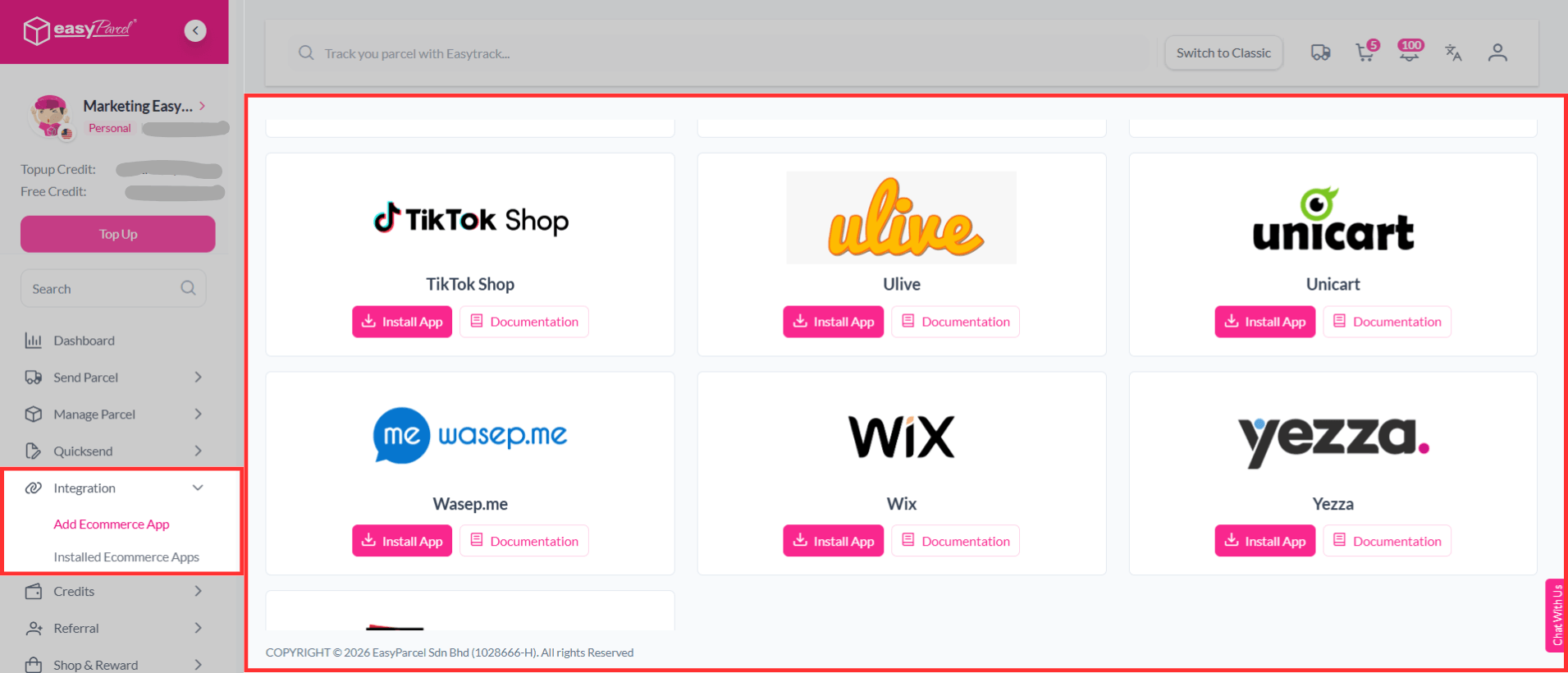
With EasyParcel, you can manage deliveries from multiple sales channels in one centralized system. Instead of handling each order separately, all orders are gathered in a single dashboard, making it easier to process shipments quickly and accurately.
Omnichannel retail is no longer just a trend—it’s becoming the standard for modern businesses. By connecting online stores, mobile apps, social media, and physical shops into one seamless system, businesses can deliver a smoother shopping experience for customers.
Start simplifying your shipping today. Sign up for FREE today and enjoy a RM10 discount coupon to kickstart your first delivery with EasyParcel!
FAQs
1. What is the difference between omnichannel and multichannel retail?
Omnichannel retail connects all channels to provide a seamless and consistent customer experience, while multichannel retail uses multiple sales channels that operate independently.
2. What industries use omnichannel retail?
Omnichannel retail is used in industries such as fashion, electronics, grocery, beauty, healthcare, home furnishings, and FMCG, where customers interact with brands across multiple channels before purchasing.
3. Why do customers prefer omnichannel shopping?
Customers prefer omnichannel shopping because it offers convenience, flexibility, and a smooth experience across online and offline channels. They can browse, compare, purchase, and return products easily without disruption.