Singapore
 Thailand
 Indonesia
If you pay attention to what people buy in Malaysia on a daily basis, you’ll notice something interesting—most purchases are quick, routine, and constantly repeated. From drinks and snacks to personal care and household essentials, these everyday items are part of the Fast Moving Consumer Goods (FMCG) in Malaysia, where products move quickly from shelves to shoppers.
This constant cycle of buying and restocking is what makes the FMCG industry in Malaysia so active. Consumers are always looking for products that are affordable, convenient, and easy to access, especially with today’s busy lifestyles and growing demand for simplicity.
In this blog, we explore everything you need to know about fast moving consumer goods in Malaysia. Let’s dive in!
Contents
What Is Fast Moving Consumer Goods (FMCG)?
Fast Moving Consumer Goods (FMCG) are everyday products that are purchased frequently, used quickly, and replaced on a regular basis. These items are typically low-cost, high-demand, and essential to daily life, making them one of the most active segments in the retail and consumer market.
FMCG products cover a wide range of daily essentials, including:
- Food and beverages
- Personal care items
- Household cleaning products
- Over-the-counter healthcare goods
Because consumers buy them often and in large volumes, these products move quickly through the supply chain—from manufacturers to distributors, retailers, and finally to customers.
Key Characteristics of the Fast Moving Consumer Goods Industry
High Consumer Demand
FMCG products are everyday essentials that consumers purchase regularly, creating consistent demand throughout the year.
Wide Distribution Network
FMCG products are easily available in supermarkets, convenience stores, pharmacies, and online marketplaces across Malaysia.
Fast Inventory Turnover
These products are sold and restocked quickly to keep up with continuous consumer demand.
Affordable Pricing
Most FMCG products are competitively priced, making them accessible for daily purchases by a wide range of consumers.
Fast Moving Consumer Goods Market Overview in Malaysia
From your morning coffee to the shampoo in your bathroom, FMCG products are everywhere in Malaysia—and they move faster than most people realize. A quick stop at a convenience store after work or an online grocery order shows just how frequently these everyday essentials are bought and replaced.
The FMCG market in Malaysia is highly dynamic, shaped by changing lifestyles, rising convenience, and fast-moving consumer habits. Several key factors are driving this growth:
- Busy lifestyles increase demand for quick and easy products
- Consumers prefer convenient shopping options
- Strong use of supermarkets, convenience stores, and online platforms
- Growth of e-commerce and fast delivery services
- High competition among FMCG brands
- Frequent promotions and discounts influence buying decisions
At the same time, competition in the market is intense. Products are constantly competing for attention both on physical shelves and digital platforms, where visibility and pricing can quickly influence buying decisions. With the rise of digital shopping, social media influence, and faster delivery services, the FMCG market in Malaysia continues to evolve rapidly, making it one of the most active and competitive sectors in the country.
Top 10 Fast Moving Consumer Goods in Malaysia
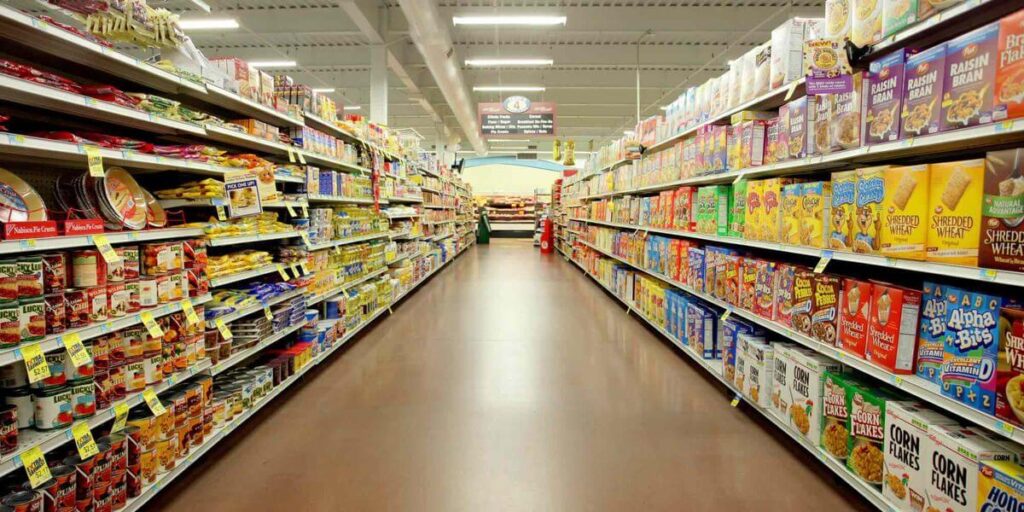
Source: Pinterest
In Malaysia, these products are in constant demand due to their affordability, convenience, and necessity in daily life. Below are 10 of the most popular FMCG categories among Malaysian consumers.
1. Instant Beverages
Instant beverages remain a popular FMCG category in Malaysia due to their convenience. Common products include 3-in-1 coffee, tea and hot chocolate that suit busy lifestyles.
2. Instant Noodles & Ready-to-Eat Meals
Instant noodles and ready-to-eat meals are household staples, offering quick and convenient meal solutions for students, working adults, and families.
3. Dairy & Plant-Based Milk
This category includes fresh milk, yoghurt, cultured milk drinks, as well as plant-based alternatives such as oat, soy, and almond milk to meet changing consumer preferences.
4. Cooking Essentials
Cooking essentials include products used daily in meal preparation, such as cooking oil, sauces, seasonings, spices, and cooking pastes.
5. Snacks & Confectionery
Snacks and confectionery remain in high demand, with products such as biscuits, chips, chocolates, crackers, and candies commonly purchased for everyday enjoyment.
6. Vitamins & Health Supplements
As health awareness grows, more consumers are purchasing vitamins, probiotics, collagen drinks, and immunity supplements as part of their daily routine.
7. Skincare & Beauty Products
Skincare and beauty products, including facial cleansers, moisturisers, sunscreens, and cosmetics, continue to see strong demand among Malaysian consumers.
8. Personal Hygiene Products
Personal hygiene products such as shampoo, body wash, toothpaste, deodorant, and sanitary care items are essential purchases made regularly.
9. Household Cleaning Products
Household cleaning products include laundry detergents, dishwashing liquids, disinfectants, floor cleaners, and multi-purpose cleaning sprays that help maintain a clean home.
10. Baby Care Products
Baby care products, including infant formula, diapers, wet wipes, baby shampoo, and baby lotion, are essential FMCG items for families with young children.
Fast Moving Consumer Goods Distribution Channels in Malaysia
1. Supermarkets and Hypermarkets
Supermarkets and hypermarkets are among the largest distribution channels for FMCG products, offering a wide variety of food, beverages, household essentials, and personal care items.
Examples:
- Lotus’s
- AEON
- Jaya Grocer
- NSK Trade City
2. Convenience Stores
Convenience stores provide easy access to everyday essentials and are popular for quick purchases due to their convenient locations and extended operating hours.
Examples:
- 7-Eleven
- KK Super Mart
- myNEWS
- FamilyMart
3. Traditional Retail Stores
Traditional retailers continue to play an important role, particularly in neighbourhoods and rural areas, by serving local communities with daily necessities.
4. Pharmacies
Pharmacies distribute health-related FMCG products such as vitamins, supplements, personal care products, baby care items, and over-the-counter medicines.
Examples:
- Watsons
- Guardian
- Caring Pharmacy
- Alpro Pharmacy
5. Ecommerce Platforms
Online shopping has become an increasingly important distribution channel, allowing consumers to purchase FMCG products without visiting physical stores.
Examples:
- Shopee
- Lazada
- TikTok Shop
- Brand-owned online stores
6. Last-Mile Delivery Services
Courier and logistics providers deliver FMCG products from warehouses or retailers directly to consumers, supporting the rapid growth of ecommerce.
Examples:
Fast Moving Consumer Goods vs Slow Moving Consumer Goods: What’s the Difference?
Although both fast moving consumer goods and slow moving consumer goods are consumer products, they serve different purposes. The table below highlights the key differences between the two categories.
| Aspect | Fast Moving Consumer Goods (FMCG) | Slower Moving Consumer Goods (SMCG) |
| Purchase frequency | Bought frequently | Bought rarely |
| Usage time | Used quickly | Used for a long time |
| Price range | Low to medium | Medium to high |
| Shelf life | Short | Long |
| Buying decision | Quick decision | Careful consideration |
How E-Commerce Helps Fast Moving Consumer Goods Growth in Malaysia?
Easier Access to Everyday Essentials
Consumers can now purchase FMCG products anytime through online platforms, making shopping more convenient than ever.
Price Comparison & Promotions
Online shopping allows consumers to easily compare prices, access discounts, and take advantage of flash sales, increasing competition among FMCG brands.
Faster Delivery Services
Same-day and next day delivery options have transformed how FMCG products are distributed, allowing customers to receive essentials quickly without visiting physical stores.
Better Consumer Insights
E-commerce platforms provide valuable data on customer behaviour, helping FMCG brands understand preferences, track trends, and improve product offerings.
The fast moving consumer goods industry relies heavily on fast and efficient logistics to ensure products reach consumers on time. That’s where EasyParcel comes in—it simplifies the entire delivery process, helping you manage shipments in just a few clicks.
Instantly Compare 60+ Courier Services on EasyParcel
Get Instant Quotes
Send More Parcels at Once
Save time, save cost with less click!
Integrations
Sync all your store orders and experience seamless booking experience in one click
Explore NowWith access to more than 60 courier services in one platform, you can quickly compare shipping rates, explore different delivery options, and book your parcels with ease.
Whether you’re sending a single package or managing bulk orders, EasyParcel makes the entire shipping process smoother, helping ensure your parcels are delivered efficiently and safely to your customers.
Fast moving consumer goods in Malaysia plays an important role in everyday life by providing essential products that people use and replace regularly. With changing consumer habits and the growth of online shopping, FMCG in Malaysia continues to move quickly and remain an essential part of daily living.
Ready to streamline your shipping process? Sign up for FREE today and enjoy a RM10 discount coupon on your first delivery with EasyParcel!
FQAs
1. What are fast moving consumer goods?
Fast Moving Consumer Goods (FMCG) are everyday essential products that are bought frequently and used quickly, such as food, beverages, personal care items, and household cleaning products.
2. What products are in high demand in Malaysia?
In Malaysia, high-demand FMCG products include instant beverages, instant noodles, milk, cooking essentials, snacks, vitamins, skincare products, personal hygiene items, household cleaning products, and baby care products.
3. Why do fast moving consumer goods products sell quickly?
Fast moving consumer goods products sell quickly because they are daily necessities, affordable, and frequently used. Consumers constantly repurchase them, leading to high and continuous demand.