Singapore
 Thailand
 Indonesia
Have you ever discovered a brand because of a video, review, or recommendation from an influencer? A few seconds of content can spark curiosity, build trust, and even convince someone to make a purchase. That’s why more businesses are turning to influencers marketing.
Instead of relying only on traditional advertising, brands can collaborate with trusted creators to reach the right audience in a more authentic and engaging way.
In this guide, we’ll explore all about influencers marketing in a simple and easy-to-understand way. Let’s dive in!
Contents
What Is Influencers Marketing?
Influencers marketing is a digital marketing strategy where businesses collaborate with social media influencers to promote their products, services, or brand. Influencers create authentic content, such as product reviews, tutorials, unboxing videos, or lifestyle posts, to introduce a brand to their followers. Instead of relying only on traditional advertisements, businesses partner with creators who have built a loyal following and can influence their audience’s purchasing decisions.
Why Influencers Marketing Is Important for Businesses?
Reach the Right Target Audience
Influencers have followers who are interested in specific topics or products. This helps businesses reach people who are more likely to become customers.
Increase Brand Awareness
When influencers share content about a brand, more people can discover and recognise the business. This helps improve brand visibility and attract new potential customers.
Build Customer Trust
Customers often trust recommendations from influencers they follow. Authentic reviews and real experiences can help create stronger trust between businesses and their target audience.
Create Engaging Content
Influencers create creative content such as videos, reviews, and tutorials that make products more interesting and easier for customers to understand.
4 Different Types of Influencers
Not all influencers are the same. They can be classified based on their follower size, audience reach, and level of influence. Choosing the right type of influencer helps businesses reach the right audience.
1. Nano Influencers (1K–10K Followers)
Nano influencers have a small but highly engaged community. They often build close relationships with their followers, making their recommendations feel more personal and trustworthy.
Best for:
- Local businesses
- Niche products
- Building strong customer connections
2. Micro Influencers (10K–100K Followers)
Micro influencers focus on specific topics or industries, such as beauty, fitness, food, or technology. They usually have strong engagement rates because their followers share similar interests.
Best for:
- Targeted marketing campaigns
- Product reviews
- Reaching specific customer groups
3. Macro Influencers (100K–1M Followers)
Macro influencers have a larger audience and wider reach. They are often recognised within a specific industry or online community and can help businesses gain more visibility.
Best for:
- Increasing brand awareness
- Reaching larger audiences
- Promoting product launches
4. Mega Influencers (1M+ Followers)
Mega influencers are celebrities or well-known online personalities with millions of followers. They can provide massive exposure for brands but usually require a larger marketing budget.
Best for:
- Large-scale campaigns
- Global brand promotion
- Creating high brand visibility
How to Choose the Right Influencer for Your Brand?
Choosing the right influencer is an important step in creating a successful influencer marketing campaign. Here are some factors businesses should consider when selecting an influencer.
1. Understand the Target Audience
Before choosing an influencer, businesses should understand who they want to reach. Consider factors such as customer interests, age group, location, and buying behaviour to find influencers with a suitable audience.
2. Check Audience Relevance
The influencer’s content should match the brand’s industry and products. For example, a beauty brand should work with beauty creators, while a fitness brand should collaborate with fitness influencers.
3. Look at Engagement Rate
A large number of followers does not always mean better results. Businesses should check likes, comments, shares, and overall audience interaction to understand how engaged the influencer’s followers are.
4. Review Content Quality
Influencers represent a brand when promoting products. Businesses should choose influencers who create high-quality, creative, and professional content that matches the brand image.
5. Check Influencer Reputation
Before collaboration, businesses should review an influencer’s previous partnerships, online behaviour, and audience feedback to ensure they are a good fit for the brand.
Popular Influencer Marketing Content Formats
1. Product Reviews
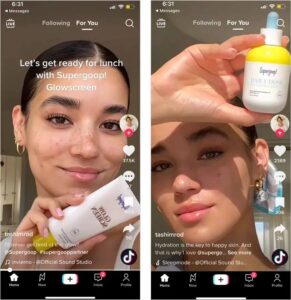
Source: Pinterest
Product reviews allow influencers to share their honest opinions and experiences after using a product. This helps customers learn more about the product from someone they trust.
Key benefits:
- Builds customer trust through real experiences
- Highlights product features and benefits
- Helps customers make informed buying decisions
- Creates authentic brand recommendations
2. Tutorials and How-To Videos

Source: Pinterest
Tutorials and how-to videos show customers how to use a product or service step by step. This is useful for explaining product features and showing practical usage.
Key benefits:
- Makes complex products easier to understand
- Shows practical ways to use the product
- Helps customers see the product’s value
- Provides useful and educational content
3. Unboxing Videos

Source: Pinterest
Unboxing videos show influencers opening and exploring a product for the first time. Influencers usually share their first impressions, product details, and overall experience.
Key benefits:
- Creates excitement around new products
- Shows packaging and product details
- Builds curiosity among potential customers
- Helps customers know what to expect
4. Lifestyle Posts

Source: Pinterest
Lifestyle content shows influencers using products naturally in their daily lives. This content focuses on how products fit into real-life situations.
Key benefits:
- Makes products feel more realistic and relatable
- Helps customers imagine using the product
- Creates stronger emotional connections
- Improves brand visibility
5. Affiliate Content
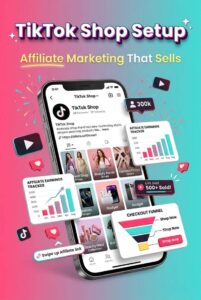
Source: Pinterest
Affiliate content allows influencers to promote products using unique links, referral codes, or discount codes. Influencers earn a commission when their followers make purchases through their links.
Key benefits:
- Helps businesses increase sales
- Allows brands to track campaign performance
- Encourages influencers to promote products effectively
- Creates a win-win partnership between brands and influencers
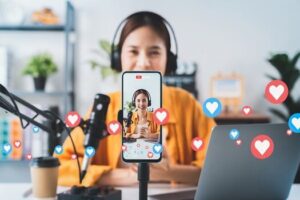
6. Live Streaming
Source: Pinterest
Live streaming allows influencers to interact with followers in real time while promoting products. Influencers can demonstrate products, answer questions, and encourage viewers to purchase during the session.
Key benefits:
- Creates direct interaction with customers
- Allows real-time product demonstrations
- Builds trust through live conversations
- Encourages faster purchase decisions
Influencers Marketing vs Traditional Marketing: What’s the Difference?
Both influencers marketing and traditional marketing help businesses promote products and reach customers. However, the way they connect with audiences is different.
| Aspect | Influencers Marketing | Traditional Marketing |
| Meaning | A marketing strategy where businesses collaborate with influencers to promote products or services. | A marketing strategy that uses direct advertisements to promote products or services |
| Marketing Channel | Uses social media platforms such as TikTok, Instagram, and Facebook | Uses channels such as TV, radio, newspapers, magazines, and billboards |
| Audience Reach | Targets specific audiences based on influencers’ followers and interests | Usually reaches a wider audience with less specific targeting |
| Content Style | Includes product reviews, tutorials, unboxing videos, and lifestyle conten | Includes commercials, posters, print ads, and promotional campaigns |
| Best For | Businesses looking to build trust, reach niche audiences, and create authentic connections | Businesses looking to achieve broad brand exposure and mass awareness |
4 Common Influencers Marketing Mistakes to Avoid
Influencer marketing can be a great way for businesses to reach more customers and promote products. However, choosing the wrong strategy can lead to poor results. Here are some common mistakes businesses should avoid when working with influencers.
1. Choosing Influencers Only Based on Followers
A large follower count does not always mean better results. Some influencers may have many followers but low engagement. Businesses should also look at whether the influencer’s audience matches their target customers.
2. Not Setting Clear Goals
Before starting an influencer campaign, businesses should know what they want to achieve. Clear goals, such as increasing brand awareness, getting more website visits, or boosting sales, help measure campaign success.
3. Working with the Wrong Influencer
The right influencer should match the brand’s products, values, and target audience. Choosing an influencer who is not related to the business may not attract the right customers.
4. Not Measuring Results
Businesses should track campaign performance to know if their investment is effective. Important metrics include views, engagement, website visits, and sales generated.
Influencers Marketing Trends in 2026
Influencer marketing continues to evolve as customer behaviour and social media platforms change. Here are the key influencer marketing trends businesses should know.
1. More Brands Working with Micro and Nano Influencers
Businesses are increasingly choosing smaller influencers because they often have closer relationships with their followers. These influencers can help brands reach specific audiences with more authentic recommendations.
2. Short-Form Video Content Continues to Grow
Short videos on platforms like TikTok, Instagram Reels, and YouTube Shorts remain popular among users. Businesses are using these formats to create engaging content that quickly captures customer attention.
3. Authentic and Relatable Content Becomes More Important
Customers are looking for real experiences rather than overly polished advertisements. Influencers who share honest reviews and everyday experiences can create stronger connections with their followers.
4. AI Helps Improve Influencer Marketing
Businesses are using AI tools to discover suitable influencers, analyse audience data, and measure campaign performance. This helps brands make better decisions when planning influencer campaigns.
5. Growth of Influencer Affiliate Marketing
More influencers are using affiliate marketing to promote products and earn commissions from successful sales. By sharing unique links, discount codes, or product recommendations, influencers can encourage their followers to make purchases.
Influencers marketing helps businesses attract attention and gain new customers, but a successful customer journey does not end after a purchase. Reliable delivery plays an important role in ensuring products reach customers safely and on time.
Complete the Customer Journey with EasyParcel
Get Instant Quotes
Send More Parcels at Once
Save time, save cost with less click!
Integrations
Sync all your store orders and experience seamless booking experience in one click
Explore NowWith EasyParcel, you can compare 60+ courier services, choose suitable shipping options, book deliveries, and track parcels in one platform. By simplifying the delivery process, EasyParcel helps you turn customer interest into a positive buying experience.
Influencer marketing has become a powerful way for businesses to reach new customers, build brand awareness, and create stronger connections with their target audience.
Ready to simplify your shipping process? Sign up for FREE and enjoy a RM10 discount coupon to start your first delivery with EasyParcel!
FAQs
1. What are influencers in marketing?
Influencers in marketing are people who have a following on social media and can influence their audience’s opinions and buying decisions. Businesses work with influencers to promote their products or services.
2. What are the 4 types of influencers?
The 4 types of influencers are nano, micro, macro, and mega influencers. They are classified based on their number of followers and audience reach.
3. Is influencer marketing suitable for small businesses?
Yes, influencer marketing is suitable for small businesses. Small businesses can work with nano influencers or micro influencers to reach the right audience and promote their products effectively.