Singapore
 Thailand
 Indonesia
When you receive a heavily taped parcel at your doorstep, what is the very first thing you do? For many people, rescuing the purchased item inside is only half the fun. The other half is gleefully popping the protective plastic layer that kept it safe. But beyond its primary role as essential bubble wrap packaging, many parents, educators, and occupational therapists often wonder: is bubble wrap a sensory toy? Understanding how to maximize its utility can save you money and offer therapeutic advantages.
Whether you are an e-commerce seller searching for reliable bubble wrap malaysia suppliers to protect your goods, or a parent exploring innovative occupational therapy tools for tactile defensiveness, this versatile material has an incredible amount to offer. Let’s dive deep into its fascinating dual functionality—from securing domestic shipments to providing genuine therapeutic relief.
Contents
Sourcing Bubble Wrap for Shipping in Malaysia
Source: Pinterest
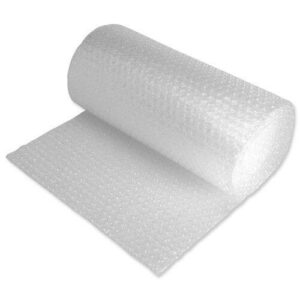
If you run an online business on platforms like Shopee or Lazada, securing your goods in transit is a top priority. Standard bubble wrap comes in various roll sizes and specialized types. You can find 10mm small bubbles for delicate cosmetics, 25mm large bubbles for bulkier electronics, and even pink anti-static rolls designed specifically for computer components.
Are you constantly typing “where to buy bubble wrap near me“? Finding a local, dependable supplier ensures your shipping operations never face delays. You can easily find a reliable kedai jual bubble wrap (packaging supply shop) in major commercial hubs across Kuala Lumpur, Selangor, Penang, and Johor. Additionally, simply searching for “bubble wrap near me” on mapping apps will often lead you to specialized packaging warehouses, stationery shops, or local courier drop-off points that stock various grades of wrap for immediate shipping needs. Buying in bulk rather than individual sheets will significantly reduce your overhead costs while providing plenty of leftover material for therapeutic uses at home.
The Psychological Appeal: Why Do We Pop It?
Source: Pinterest
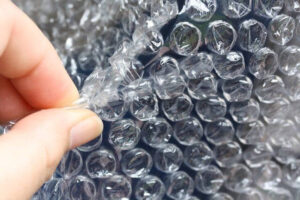
Have you ever paused to wonder why do people find popping bubble wrap satisfying? The answer actually lies deep within human psychology and physiology. The simple, repetitive act of popping provides immediate auditory feedback and sensory regulation, creating a miniature, highly effective reward loop in the brain.
The clear snap fulfills our natural desire for actions that link cause and effect, giving us small bursts of dopamine.
Additionally, the physical durability of the air-filled plastic pockets provides great proprioceptive feedback, which helps soothe anxiety.
Pressing down with your fingers requires just enough targeted muscle effort to ground an overstimulated nervous system, making it an incredibly effective, accessible tool for daily stress relief.
Therapeutic Benefits: Is Bubble Wrap a Sensory Toy?
Source: Pinterest
The short answer is an absolute yes.
Although it wasn’t initially created for play or therapy, it has developed into a very useful therapeutic tool.
- ADHD and Focus: Using bubble wrap for ADHD focus is remarkably effective in both classrooms and boardrooms.
Engaging the hands can help the brain block out background distractions, allowing both children and adults to focus more effectively on their main tasks.
- So, can bubble wrap be used as a fidget tool? Absolutely. It is a discreet, low-cost option.
- Stress Relief: The benefits of popping bubble wrap for stress are heavily documented. It acts as a physical outlet for nervous energy, often mimicking the soothing, rhythmic effects of deep breathing or meditation for some individuals.
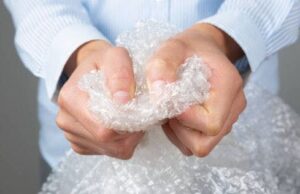
- Motor Skills: Pinching the small air pockets is a fantastic exercise for fine motor skills development in toddlers.
It helps improve the pincer grasp, an important developmental step needed for holding pencils, using utensils, and tying shoelaces as one grows.
- Sensory Integration: It provides vital tactile stimulation for sensory seekers. Pediatric therapists frequently include it in sensory processing disorder activities for kids to help them safely and comfortably explore new textures at their own pace.
Creative Uses at Home
Source: Pinterest
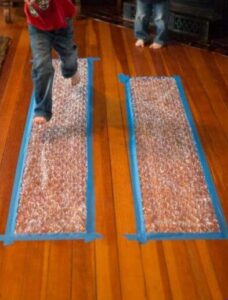
You do not need expensive, specialized equipment to create engaging sensory experiences at home. For example, you can easily explore various DIY sensory mat ideas for home. Simply tape a large, sturdy sheet of bubble wrap to the living room floor and let children walk, crawl, roll, or jump across it. The unique combination of bumpy texture and loud sound is fantastic for whole-body sensory integration.
However, you must always remember the necessary safety precautions for sensory play with plastic. Never leave young children or toddlers unattended with plastic packaging materials, as it poses a significant suffocation risk. Always supervise the play session actively and ensure the material is stored safely out of reach immediately afterward.
Comparing Fidget Tools: Bubble Wrap vs Push Pop Fidget Toys
Source: Pinterest
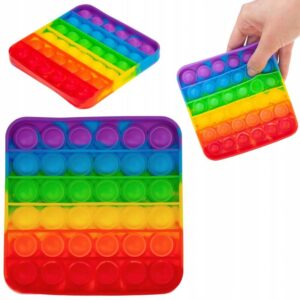
Recently, the global toy market has been flooded with commercial fidget devices, leading to the inevitable debate of bubble wrap vs push pop fidget toys.
While traditional shipping wrap offers an unbeatable, authentic “pop” sound that many purists crave, it is strictly a single-use item. Once a bubble is popped, it is gone forever. This exact limitation is where the reusable silicone popping toy benefits truly shine. Silicone toys are durable, easily washable, and provide endless hours of popping without generating household waste.
However, they often lack the sharp, high-pitched auditory feedback that makes the disposable plastic version so satisfying.
Environmental Impact and Alternatives
Source: Pinterest
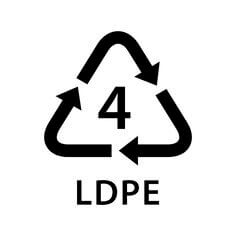
With rapidly growing global environmental awareness, a common question arises: is bubble wrap recyclable? The answer is generally yes, but it comes with a major catch. It is manufactured from low-density polyethylene (LDPE) film, classified under Recycle Code 4.
You cannot toss it into standard curbside recycling bins; instead, it must be carefully bundled and dropped off at specialized soft plastic recycling centers or supermarkets that accept bags.
Before recycling, you can also repurpose unpopped sheets as insulation for plants during colder weather or as protective lining when moving house.
If you are deeply concerned about plastic waste, consider adopting eco-friendly alternatives to plastic bubble wrap. Corrugated cardboard, biodegradable starch packing peanuts, and innovative mushroom packaging are excellent, sustainable options for shipping.
For sensory play, transitioning entirely to reusable silicone mats ensures you get all the tactile benefits without the lingering environmental guilt.
Although there are eco-friendly alternatives available, bubble wrap is still widely used because of its affordability and ability to protect fragile items during delivery.
Buy Bubble Wrap from EasyParcel Shop for Safer Parcel Protection
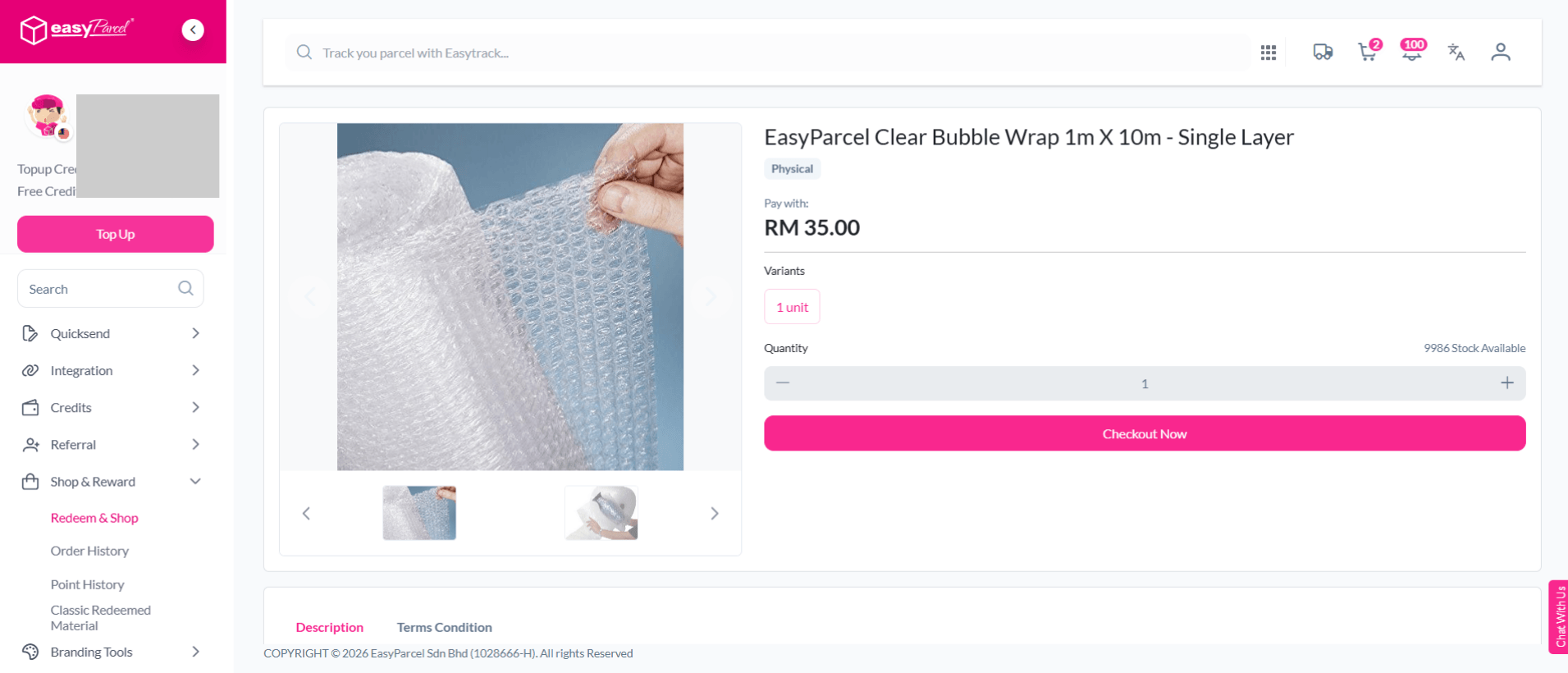
You can also get all your packaging materials from one shop, making it easier to prepare parcels before shipping.
Conclusion
From safeguarding delicate parcels traversing Malaysia to providing deep, satisfying sensory feedback, this humble packing material is undeniably versatile. Whether you are actively stocking up at a local packaging store for your growing e-commerce business or strategically utilizing leftover sheets to support a child’s sensory diet, its value is practically unmatched. Just remember to consciously balance your packaging needs and sensory play sessions with safe, eco-conscious disposal habits.
For businesses looking for convenient packaging solutions, you can also get your bubble wrap and other essential packaging materials easily from EasyParcel Shop.
FAQs
1. What is a bubble wrap for?
Bubble wrap is used to protect fragile and valuable items from damage during shipping, moving, and storage. Its air-filled bubbles absorb shocks and impacts, helping keep products safe throughout transit.
2. What’s better, bubble wrap or foam?
It depends on your packaging needs. Bubble wrap is lightweight, flexible, and ideal for wrapping fragile items of different shapes. Foam provides firmer protection and is better suited for heavier or high-value products that require extra cushioning.
3. Where can I buy bubble wrap in Malaysia?
You can buy bubble wrap from packaging supply stores, stationery shops, hardware stores, online marketplaces, or the EasyParcel Shop.