Singapore
 Thailand
 Indonesia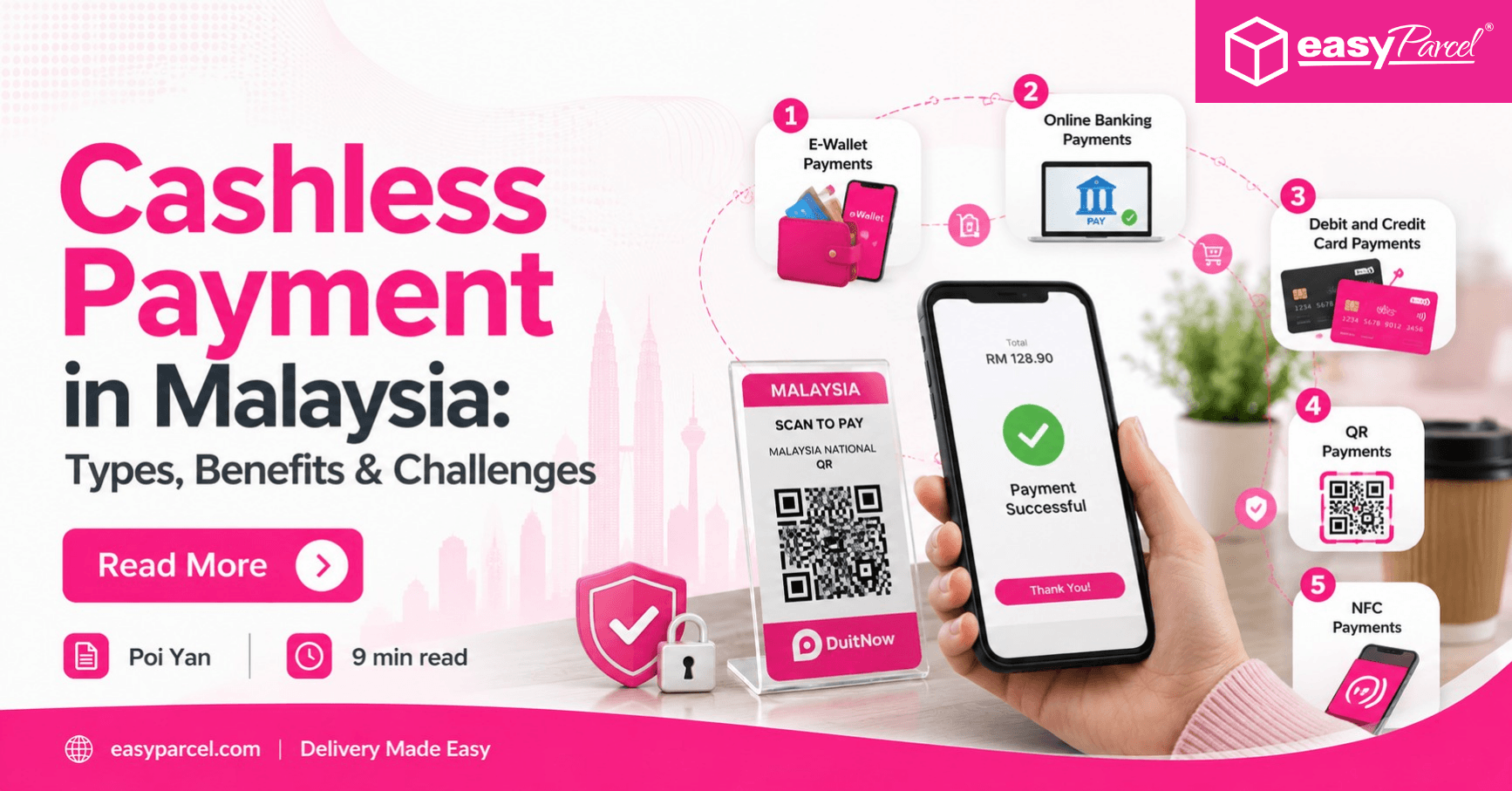
Cashless payment in Malaysia is becoming a bigger part of how people shop, pay, and do business. Have you noticed that more customers are choosing to pay without cash these days? From buying products online to making everyday purchases, these cashless payment methods have made transactions faster and more convenient.
In this guide, we will explore what cashless payment is, the common cashless payment methods in Malaysia, its benefits and challenges.
Contents
What Is Cashless Payment?
Source: Pinterest
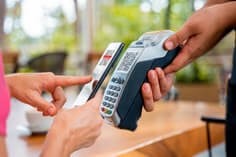
Cashless payment is a way of making transactions without using physical cash, such as notes or coins. Instead, payments are completed electronically through digital methods like e-wallets, online banking, debit cards, credit cards, QR payments, and NFC payments.
As smartphones and digital banking become more common, cashless payment has become a preferred payment method in Malaysia.
5 Main Types of Cashless Payment in Malaysia
1. E-Wallet Payments
Source: Pinterest
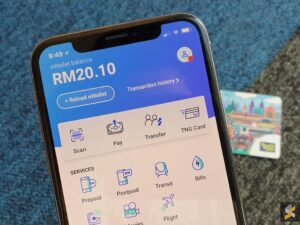
E-wallet payments allow users to store money digitally in a mobile application and make payments using their smartphones. Users can pay by scanning QR codes or making in-app payments.
Examples:
- Touch ‘n Go eWallet
- GrabPay
- Boost
2. Online Banking Payments
Source: Pinterest
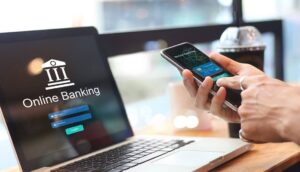
Online banking allows users to make payments directly from their bank accounts through internet banking platforms. This payment method is commonly used for online shopping, bill payments, and business transactions.
Example:
- MAE by Maybank
- CIMB OCTO
- RHB Mobile Banking
3. Debit and Credit Card Payments
Source: Pinterest
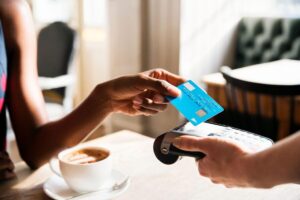
Debit and credit cards remain one of the most common cashless payment methods in Malaysia. Customers can use their cards to pay at physical stores, restaurants, and online platforms.
4. QR Payments
Source: Pinterest
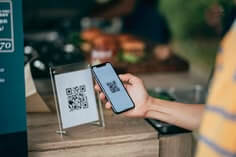
QR payments allow customers to make payments by scanning a merchant’s QR code using a banking app or e-wallet. This method is popular among businesses because it is simple, fast, and easy to set up.
Example:
- DuitNow QR
5. NFC Payments
Source: Pinterest
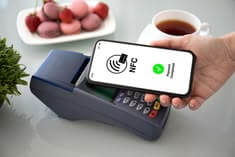
NFC (Near Field Communication) payments allow users to make cashless transactions by tapping their debit card, credit card, smartphone, or smartwatch on a payment terminal.
Examples:
- Contactless debit and credit cards
- Apple Pay
- Google Pay
Why Are People Moving Towards Cashless Payments in Malaysia?
Cashless payment is becoming more popular in Malaysia as people look for easier and faster ways to pay.
1. Faster and More Convenient Transactions
Cashless payments allow users to complete transactions quickly without the need to carry physical cash. With just a few taps or clicks, payments can be completed anytime and anywhere.
Benefits include:
- Faster payment process
- No need to carry physical cash
- More convenient for daily transactions
2. Growth of Ecommerce and Online Shopping
The rise of ecommerce has increased the demand for cashless payment methods. Customers can easily complete online purchases using various digital payment options.
Benefits include:
- Smoother checkout experience
- Faster payment confirmation
- More flexible payment options
3. More Digital Payment Options Available
Malaysia offers various cashless payment methods, giving users more choices based on their preferences and needs.
Common options include:
- E-wallet payments
- Online banking payments
- Debit and credit card payments
- QR code payments
- NFC payments
4. Easier Transaction Tracking
Digital payments automatically record transaction details, making it easier for users and businesses to manage their payments.
Benefits include:
- Easy access to payment history
- Better expense management
- More organised transaction records
5. Reduced Dependence on Physical Cash
Cashless payments reduce the need to carry and manage physical money, making transactions more convenient and efficient.
Benefits include:
- Less risk of losing cash
- Easier payment management
- More convenient for everyday purchases
Cashless Payment vs Traditional Cash Payment: What's the Key Difference?
Cashless payment and traditional cash payment are both commonly used in Malaysia. However, they are very different. Here’s a quick comparison:
| Aspect | Cashless Payment | Traditional Cash Payment |
| Payment Method | Uses e-wallets, online banking, debit cards, credit cards, or QR payments | Uses physical cash (notes and coins) |
| Transaction Speed | Fast and completed within seconds | May take longer due to cash handling and change |
| Convenience | Pay anytime using a smartphone or card | Requires carrying cash |
| Security | Protected with passwords, PINs, or biometric authentication | Risk of loss or theft if cash is misplaced |
| Best For | Everyday digital transactions, online shopping, and business payments | Small cash purchases and places that do not accept digital payments |
Is Cashless Payment Perfect? Here Are the Common Challenges
While cashless payment offers many benefits, it also comes with a few challenges.
1. Internet Dependency
Most cashless payment methods rely on a stable internet connection. If the network is slow or unavailable, payments may fail or be delayed, affecting both customers and businesses.
2. Cybersecurity Risks
Although cashless payments are generally secure, users may still face risks such as phishing scams, fake payment links, or unauthorized account access.
3. Technology Accessibility
Cashless payments require a smartphone, payment card, or internet-enabled device. People without access to these technologies may find it difficult to make digital transactions.
4. Technical Issues
System maintenance, app errors, or payment gateway outages can temporarily prevent users from completing payments. During these situations, having an alternative payment method can be helpful.
5. Digital Literacy
Not everyone is familiar with using e-wallets, online banking, or QR payments. Some users, particularly first-time users or older adults, may need time to learn how to use cashless payment services confidently.
With the rise of cashless payment in Malaysia, making payments has become faster and more convenient — including when booking parcel deliveries.
How Cashless Payment Makes Shipping Easier with EasyParcel?
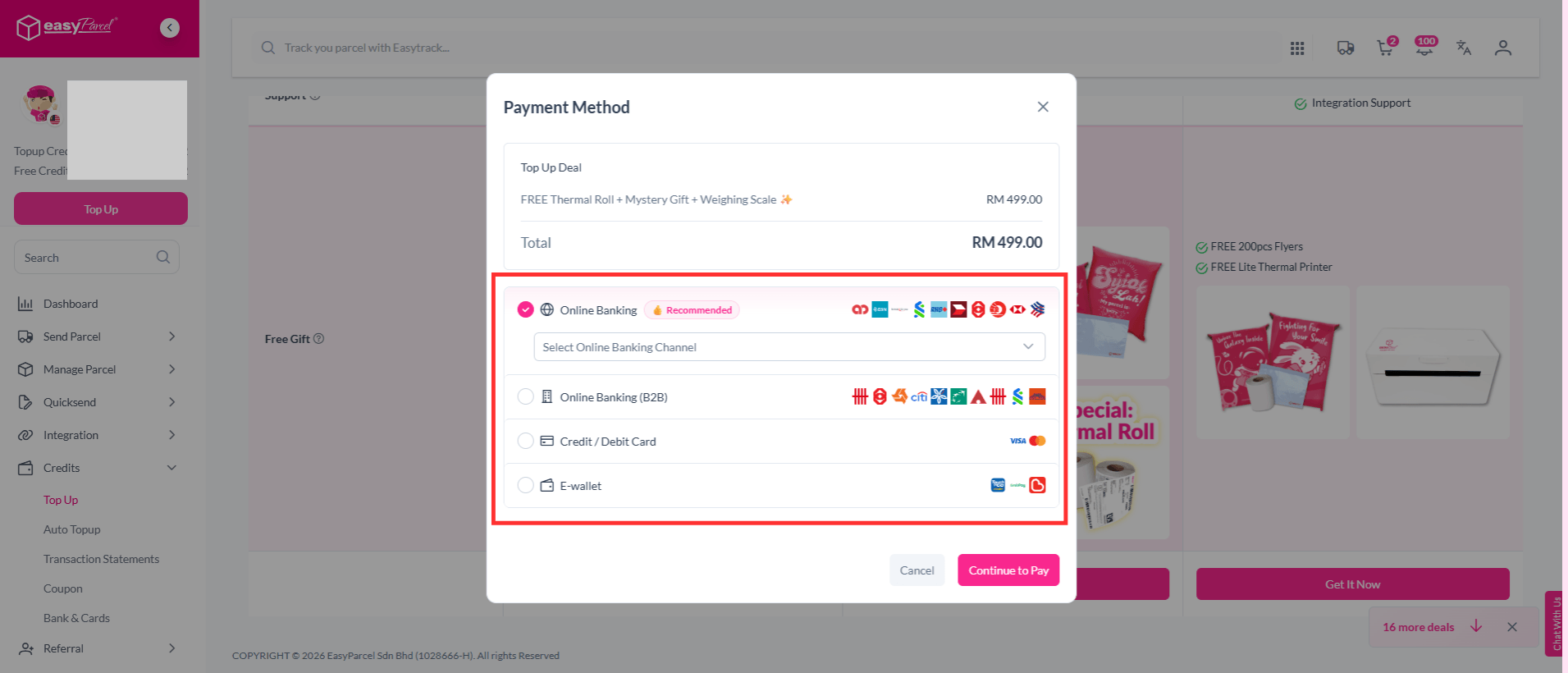
Through EasyParcel’s integrated payment system, you can top up your EasyParcel account using popular cashless payment methods such as online banking, credit or debit card and e-wallet.
Get Instant Quotes
Send More Parcels at Once
Save time, save cost with less click!
Integrations
Sync all your store orders and experience seamless booking experience in one click
Explore NowAfter topping up, you can compare delivery options from 60+ courier services, choose the most suitable courier, and book deliveries all in one platform. This helps simplify your shipping process and makes parcel management more convenient.
Cashless payment is becoming the preferred way to pay in Malaysia. It makes everyday transactions easier, faster, and more convenient for both consumers and businesses.
Ready to make shipping easier with EasyParcel? Sign up for FREE today and enjoy a RM10 discount coupon on your first delivery.
FAQs
1. Is Malaysia going cashless?
Yes. Malaysia is moving towards cashless payments as more people use e-wallets, online banking QR payments, credit or debit cards, and NFC payments for daily transactions.
2. Is cashless payment safe to use in Malaysia?
Yes. Cashless payments are generally safe when users protect their accounts, use secure apps, and avoid scams.
3. Will cashless payment replace cash in Malaysia?
Not completely. Cashless payments are becoming more popular, but cash is still used by some people for certain transactions.