Singapore
 Thailand
 Indonesia
Have you ever wondered how successful online businesses attract customers, increase sales, and stay visible in a competitive digital market? The answer lies in the power of eCommerce marketing.
In today’s fast-growing digital marketplace, having a great product is only the beginning. Businesses need effective ecommerce marketing to stand out from competitors, increase sales, and create memorable shopping experiences that keep customers coming back.
In this blog, you will discover what ecommerce marketing is in a simple way. Let’s get started!
Contents
What Is eCommerce Marketing?
eCommerce marketing is the process of promoting an online store and its products through digital channels to attract customers, increase sales, and build brand loyalty. It helps businesses reach the right audience, encourage purchases, and keep customers coming back.
From SEO and social media marketing to email campaigns and online advertising, ecommerce marketing covers different strategies that guide customers from discovering a product to completing a purchase.
In today’s competitive online market, having great products is not enough. Businesses need effective ecommerce marketing to stand out, connect with shoppers, and create a smooth buying experience from start to finish.
Why eCommerce Marketing Matters for Online Business Growth?
Reach More Potential Customers
eCommerce marketing helps businesses reach a larger audience beyond physical locations by using digital channels to attract potential buyers.
Boost Sales and Conversions
eCommerce marketing helps guide customers throughout their shopping journey by promoting products, encouraging more visitors to complete purchases.
Build Customer Relationships
Through strategies like email marketing, personalized offers, and loyalty programs, businesses can maintain connections with customers and encourage repeat purchases.
Increase Brand Awareness
A strong eCommerce marketing strategy improves online visibility and helps customers recognize, remember, and trust a brand through consistent content and digital engagement.
The Key Types of eCommerce Marketing
1. Search Engine Optimization (SEO)
Source: Pinterest
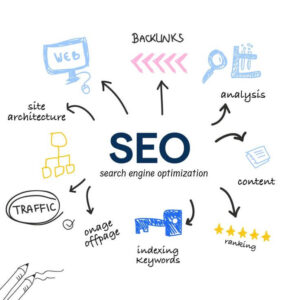
SEO helps online stores improve their ranking on search engines like Google, making it easier for customers to discover their products when searching online.
Key strategies include:
- Optimizing product pages with relevant keywords
- Improving website speed and mobile experience
- Creating helpful content to attract potential customers
- Building website credibility through quality backlinks
Best for:
- Businesses looking for long-term organic traffic growth
- Increasing product visibility without relying only on paid ads
- Building brand credibility and trust over time
2. Social Media Marketing
Source: Pinterest
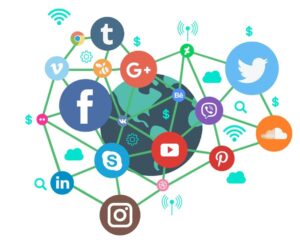
Social media marketing helps businesses promote their products, engage with customers, and increase brand awareness through popular social platforms.
Key strategies include:
- Sharing engaging product images, videos, and customer reviews
- Running targeted ads on platforms like Facebook, Instagram, and TikTok
- Using social commerce features to make shopping easier
- Building customer relationships through regular engagement
Best for:
- Brands that want to build a strong online community
- Reaching younger audiences through engaging content
- Showcasing products through images, videos, and customer interactions
3. Email Marketing
Source: Pinterest
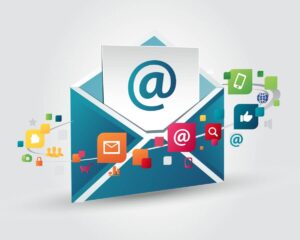
Email marketing allows businesses to communicate directly with customers by sending personalized messages, promotions, and updates that encourage purchases and repeat orders.
Key strategies include:
- Sending welcome emails to new subscribers
- Recovering lost sales through cart abandonment emails
- Sharing product recommendations based on customer interests
- Promoting special offers and new product launches
Best for:
- Retaining existing customers
- Encouraging repeat purchases
- Building long-term customer relationships
4. Content Marketing

Source: Pinterest
Content marketing focuses on creating valuable and useful content to attract customers, educate them about products, and build trust with the brand.
Key strategies include:
- Writing blog articles and buying guides
- Creating product comparison content
- Sharing tutorials and helpful videos
- Using customer reviews and stories to build credibility
Best for:
- Educating customers about products
- Improving brand authority
- Attracting customers during the research stage
5. Paid Advertising (PPC)
Source: Pinterest
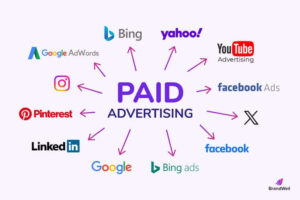
Paid advertising helps businesses reach potential customers quickly by displaying targeted ads on search engines and social media platforms.
Key strategies include:
- Using Google Ads to reach customers searching for products
- Running Google Shopping Ads to showcase products directly
- Creating social media advertisements for targeted audiences
- Using retargeting ads to reconnect with previous visitors
Best for:
- Businesses that want faster traffic and sales results
- Promoting new products or special campaigns
- Reaching specific customer groups with targeted ads
6. Influencer Marketing

Source: Pinterest
Influencer marketing involves working with content creators to promote products and introduce brands to new audiences through trusted recommendations.
Key strategies include:
- Partnering with influencers who match the target audience
- Creating authentic product reviews and demonstrations
- Increasing brand awareness through influencer communities
- Building customer trust through genuine recommendations
Best for:
- Increasing brand awareness quickly
- Building trust through authentic reviews
- Reaching specific niche audiences
7. Affiliate Marketing
Source: Pinterest
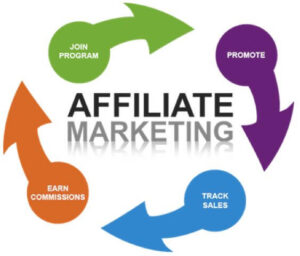
Affiliate marketing allows businesses to partner with individuals or companies that promote their products and earn a commission for every successful sale.
Key strategies include:
- Providing affiliates with unique tracking links
- Partnering with relevant bloggers, creators, or websites
- Expanding brand reach through affiliate networks
- Increasing sales with performance-based marketing
Best for:
- Businesses selling products on platforms like Shopee, Lazada, and TikTok Shop
- Reaching customers with high purchase intent
- Expanding sales channels beyond a personal website
How to Build a Successful eCommerce Marketing Strategy?
Having different marketing channels is important, but knowing how to use them effectively is what helps businesses achieve better results.
1. Understand Your Target Audience
Knowing your customers is the foundation of effective eCommerce marketing. Understanding their needs, preferences, and buying behavior helps businesses create more relevant products, content, and campaigns.
Key strategies include:
- Researching customer demographics and interests
- Analyzing shopping habits and purchase patterns
- Creating customer personas to guide marketing decisions
2. Optimize Your Online Store for Search
Improving your website’s visibility helps potential customers find your products more easily when searching online. A well-optimized store can attract more organic traffic and increase sales opportunities.
Key strategies include:
- Using relevant keywords in product titles and descriptions
- Creating detailed product pages with high-quality images
- Improving website speed and mobile responsiveness
- Optimizing category pages for search engines
3. Leverage Social Media Marketing
Social media provides an opportunity to showcase products, interact with customers, and build a strong brand community. Engaging content can help businesses reach more potential buyers.
Key strategies include:
- Sharing product videos, tutorials, and customer reviews
- Running targeted social media campaigns
- Using user-generated content to build trust
- Engaging with followers through comments and messages
4. Personalize Customer Communication
Personalized marketing helps businesses deliver more relevant messages based on customer interests and behaviors, creating a better shopping experience.
Key strategies include:
- Sending personalized email recommendations
- Creating abandoned cart reminders
- Offering tailored promotions based on customer preferences
- Using customer data to improve communication
5. Improve the Customer Shopping Experience
A smooth and convenient shopping journey can encourage more visitors to complete purchases and return in the future.
Key strategies include:
- Creating a simple website navigation structure
- Providing clear product information
- Offering multiple payment options
- Simplifying the checkout process
- Providing order tracking and reliable delivery options
6. Use Data to Measure and Improve Performance
Tracking marketing performance helps businesses understand what works and make better decisions. Data-driven strategies allow businesses to optimize campaigns and improve results.
Key strategies include:
- Monitoring conversion rates and sales performance
- Tracking customer acquisition costs
- Measuring return on advertising spend (ROAS)
- Testing different marketing approaches
Essential eCommerce Metrics Every Business Should Monitor
Measuring the right metrics helps businesses understand whether their eCommerce marketing efforts are successful.
1. Website Traffic
Website traffic shows the number of visitors coming to your online store and helps businesses understand how effective their marketing channels are at attracting potential customers.
Why it matters:
It helps businesses know which channels bring in more visitors and where they can improve their reach.
2. Conversion Rate
Conversion rate measures the percentage of visitors who complete a desired action, such as making a purchase, helping businesses evaluate how well their website turns visitors into customers.
Why it matters:
It shows how effectively your store turns visitors into paying customers and helps identify ways to increase sales.
3. Customer Acquisition Cost (CAC)
Customer Acquisition Cost shows how much a business spends to gain a new customer, allowing brands to measure whether their marketing campaigns are cost-effective.
Why it matters:
It helps businesses understand whether their marketing spending is effective and profitable.
4. Average Order Value (AOV)
Average Order Value tracks the average amount customers spend per purchase and helps businesses develop strategies such as product bundles and upselling to increase revenue.
Why it matters:
It helps businesses find ways to increase revenue by encouraging customers to buy more products.
5. Customer Lifetime Value (CLV)
Customer Lifetime Value estimates the total revenue a customer can bring throughout their relationship with a brand, helping businesses focus on building long-term customer loyalty.
Why it matters:
It helps businesses focus on building long-term relationships and improving customer loyalty.
6. Return on Ad Spend (ROAS)
Return on Ad Spend measures the revenue generated from advertising campaigns compared to the amount spent, helping businesses understand which ads deliver the best results.
Why it matters:
It helps businesses identify which ads are performing well and optimize their marketing budget.
7. Cart Abandonment Rate
Cart abandonment rate shows the percentage of customers who add products to their cart but leave without completing their purchase, helping businesses identify issues in the checkout process.
Why it matters:
It helps businesses identify checkout problems and improve the shopping experience to recover lost sales.
8. Customer Retention Rate
Customer retention rate measures how well a business keeps existing customers and highlights the effectiveness of loyalty programs, customer service, and retention strategies.
Why it matters:
It helps businesses understand customer loyalty and create strategies to encourage repeat purchases.
Avoid These eCommerce Marketing Mistakes Before They Affect Your Business
Not Understanding Your Target Audience
Failing to understand your customers’ needs, preferences, and shopping behavior can lead to ineffective marketing campaigns that do not attract the right audience.
Not Tracking Marketing Performance
Running campaigns without monitoring important metrics makes it difficult to understand what works, leading to poor decisions and wasted marketing budgets.
Focusing Only on Getting New Customers
While attracting new shoppers is important, ignoring existing customers can reduce repeat purchases and limit long-term business growth.
Ignoring Customer Reviews and Feedback
Customer reviews influence buying decisions, and failing to collect or respond to feedback can reduce trust and make potential buyers hesitate.
The Future of eCommerce Marketing: Trends to Watch in 2026
AI-Powered Personalization
Artificial intelligence is helping businesses deliver more personalized shopping experiences by analyzing customer behavior and recommending products based on individual interests.
Short-Form Video Marketing
Short videos on platforms like TikTok, Instagram Reels, and YouTube Shorts are becoming popular ways for brands to showcase products, and capture customer attention quickly.
Livestream Shopping
Livestream shopping combines entertainment and online shopping by allowing brands and creators to showcase products, answer questions, and encourage real-time purchases.
Sustainable and Ethical Marketing
Customers are becoming more aware of environmental and social issues, making sustainability an important factor in purchasing decisions.
Growth of Social Commerce
Social media platforms are becoming powerful shopping channels where customers can discover products, interact with brands, and make purchases directly without leaving the platform.
Getting customers to make their first purchase is important, but keeping them coming back is what helps businesses grow in the long run. A smooth delivery experience can leave a positive impression, increase customer satisfaction, and encourage repeat purchases.
Improve Customer Loyalty with EasyParcel’s Reliable Delivery Experience
Get Instant Quotes
Send More Parcels at Once
Save time, save cost with less click!
Integrations
Sync all your store orders and experience seamless booking experience in one click
Explore NowWith EasyParcel, you can easily compare shipping rates from 60+ courier services, book deliveries, manage shipments, and provide customers with a smoother delivery experience. By making shipping faster and more convenient, you can increase customer satisfaction, encourage repeat purchases, and build stronger customer loyalty.
eCommerce marketing is more than just promoting products — it is about connecting with customers, creating better shopping experiences, and building long-term relationships. By combining effective marketing with a smooth customer experience, businesses can turn visitors into buyers and first-time customers into loyal supporters.
Ready to create a smoother delivery experience for your customers? Sign up for FREE today and enjoy a RM10 discount coupon on your first delivery with EasyParcel!
FAQs
1. What is eCommerce marketing?
eCommerce marketing is the process of promoting an online store and its products through digital channels such as SEO, social media, email marketing, content marketing, and online advertising to attract customers, increase sales, and build long-term customer relationships.
2. Why is SEO important for eCommerce websites?
SEO helps eCommerce websites improve their visibility on search engines, making it easier for customers to discover products when searching online. A strong SEO strategy can increase organic traffic, improve brand credibility, and create more opportunities for sales.
3. What role does social media play in eCommerce marketing?
Social media helps eCommerce businesses showcase products, connect with customers, build brand awareness, and drive sales through engaging content, advertisements, influencer partnerships, and social shopping features.