Singapore
 Thailand
 Indonesia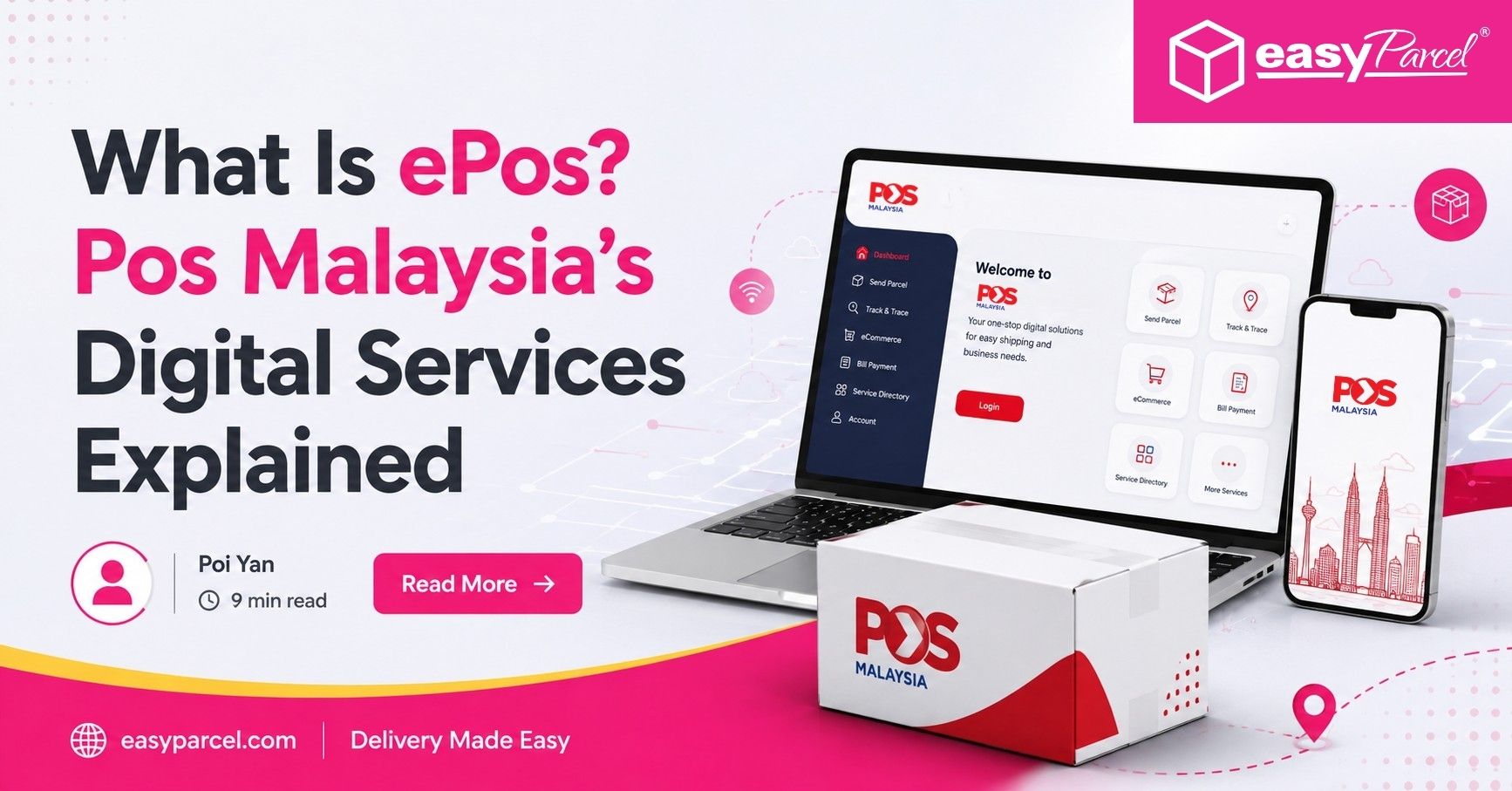
If you’ve ever queued at the post office and thought, “Surely there’s a faster way to do this,” you’re exactly the kind of person ePos was built for. ePos (often written as EPOS malaysia in searches) is part of Pos Malaysia’s shift toward digital services—designed to make everyday postal tasks less paper-heavy, less time-consuming, and easier to track.
This post breaks down what ePos is, what it helps you do, and how it compares with other “EPOS” terms you might see online (because yes, the word gets used for totally different things).
Contents
What Is ePos (Pos Malaysia) in Plain English?

Source: Pinterest
ePos is Pos Malaysia’s digital service platform that supports more efficient transactions and service handling—especially for businesses and frequent senders who want faster processing, clearer records, and less manual work.
Depending on the service type and user setup, ePos generally helps with tasks like:
- Preparing shipments more efficiently
- Generating and managing transaction records
- Improving traceability and reporting for frequent usage
- Reducing repetitive counter processes
People commonly look up “EPOS malaysia” when they’re trying to find a way to do more Pos Malaysia-related tasks digitally rather than manually.
What ePos Is Not (Important Clarification)
Here’s where many people get confused: “EPOS” is also shorthand for “Electronic Point of Sale.” That has nothing to do with Pos Malaysia’s ePos.
So when you see searches like:
- epos system malaysia
- electronic point of sale Malaysia
- POS system price Malaysia
- best POS software for startups
- POS vs traditional cash register
…those are typically about retail/restaurant checkout systems, not Pos Malaysia’s digital postal services.
There are also completely separate searches like epos speakers malaysia (audio hardware brand) and epos malaysia office (which could refer to a corporate office for a brand, not necessarily Pos Malaysia).
This article focuses on Pos Malaysia ePos, while also helping you avoid buying/choosing the wrong thing if you actually meant POS systems.
Who should use ePos?
Source: Pinterest
ePos is most useful if you send parcels or documents regularly and want consistency. Typical users include:
- Online sellers and micro-SMEs shipping daily/weekly
- Offices sending documents in batches
- Anyone who needs better records for finance or audit trails
- Teams that want standardized processing instead of “everyone does it differently”
If you’re only shipping once in a while, you might not feel the full benefit. But the more frequent you are, the more the workflow improvements matter.
What Problems ePos Is Meant to Solve
1. Less manual handling, fewer repeat steps
Digital preparation can reduce the “write, rewrite, recheck” loop.
2. Better visibility for tracking and records
Businesses often want cleaner documentation, especially when reconciling logistics costs.
3. Easier internal reporting
When you’re sending often, you eventually need records you can filter and review (by date, branch, cost center, and so on).
ePos vs “Electronic Point of Sale” (EPOS) — Don’t Mix These Up
Because the keyword EPOS malaysia can refer to two different worlds, here’s a quick side-by-side:
Pos Malaysia ePos (postal-focused)
- Helps you handle postal services digitally
- Related to shipping, postal transactions, records, and service processing
- More relevant to logistics workflow than checkout counters
Electronic Point of Sale (retail/restaurant-focused)
This is what people mean by:
- electronic point of sale Malaysia
- inventory management POS solution
- restaurant POS with kitchen display
- POS system supports eWallet payments
A POS system is for:
- Taking payments
- Printing receipts
- Tracking inventory
- Managing staff and sales reporting
If what you need is a cashier checkout setup, you’re looking for a cloud POS system for small business or other POS system alternatives for SMEs—not Pos Malaysia ePos.
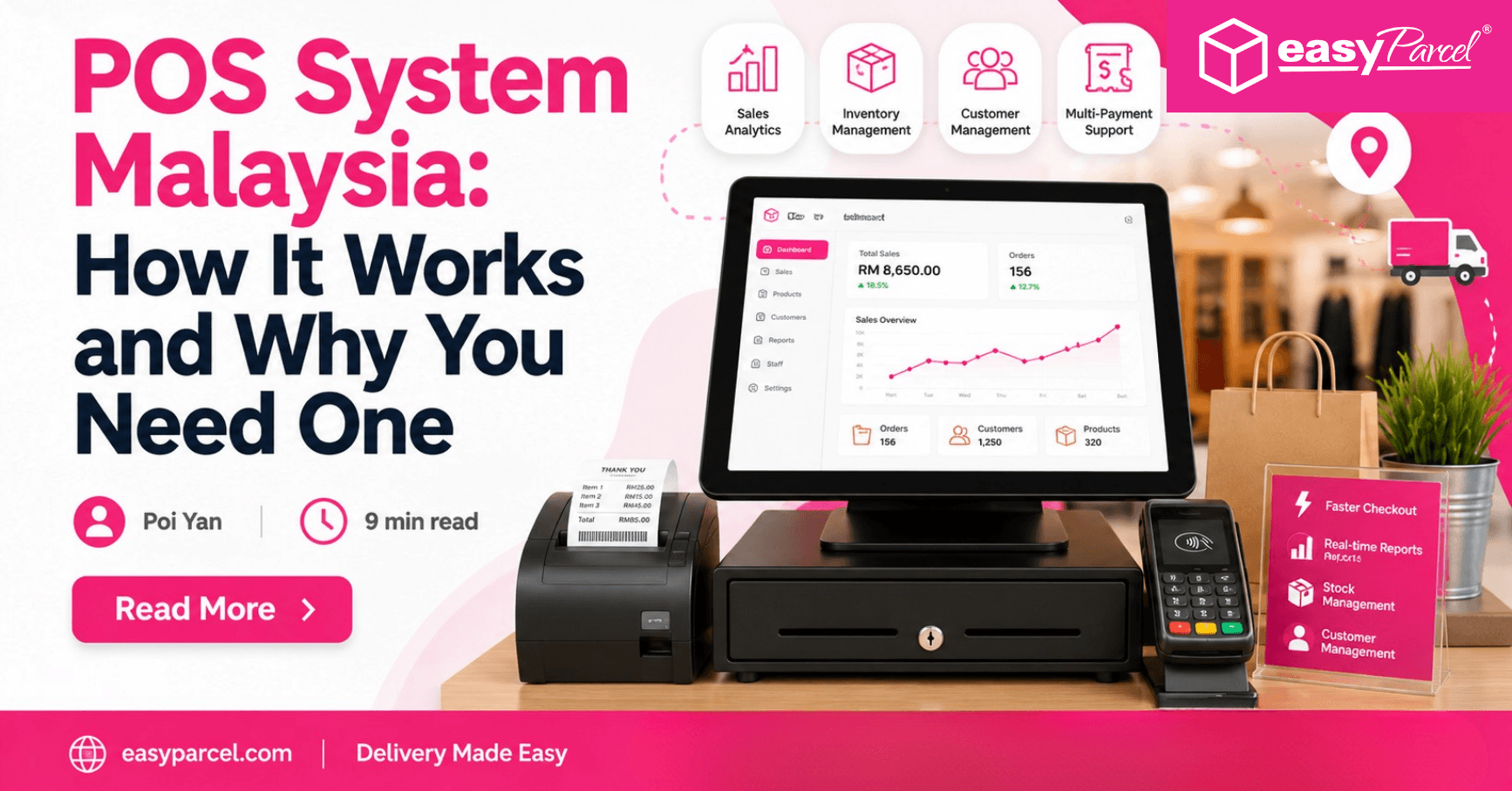
POS System Malaysia: How It Works and Why You Need One
Want to learn more about POS System Malaysia? Click here to read more.
If You Actually Meant “EPOS System Malaysia”: What to Look For (Quick Practical Guide)
Source: Pinterest
Many readers searching “EPOS malaysia” are really hunting for a store/restaurant POS. So here’s a practical checklist on how to choose POS software without getting overwhelmed.
Core retail POS features and benefits to prioritize
Look for:
- Fast checkout and barcode support
- Discounts, promotions, and refunds
- Customer profiles (basic CRM)
- Multi-outlet capability (if you plan to grow)
- SST compliant sales reporting for easier tax handling
- Real-time dashboards you’ll actually use
Restaurant-specific must-haves
If you’re in F&B, prioritize:
- Restaurant POS with kitchen display (KDS) to reduce order mistakes
- Table management, modifiers (less spicy, add cheese), split bills
- Menu scheduling (breakfast vs dinner menus)
Payments and integrations that save time
Modern systems should support:
- Card payments and POS system supports eWallet payments
- POS integration with accounting software (so you don’t re-key sales into your accounts)
Hardware considerations
Don’t underestimate the basics of POS hardware setup and installation:
- Receipt printer reliability
- Cash drawer compatibility
- Barcode scanner quality
- Stable networking (Wi‑Fi + backup plan)
A good vendor will help you plan hardware properly instead of upselling you devices you don’t need.
“POS System Price Malaysia”: How to Think About Cost (Without Getting Trapped)
When people ask about POS system price Malaysia, they often compare only the monthly subscription and forget the total cost.
Consider:
- Monthly software fees (tiered by outlets/registers/users)
- One-time setup fees (sometimes waived during promos)
- Hardware (printer, tablet, terminal, scanner)
- Add-ons (KDS, loyalty, advanced inventory, integrations)
- Support plan (hours, response time, on-site support)
A cheaper plan that lacks reporting, inventory, or integration can cost you more in staff time later.
POS vs Traditional Cash Register: Why Most Businesses Switch
If you’re debating POS vs traditional cash register, the simplest difference is this:
- A cash register records sales.
- A POS system runs operations.
A POS system usually gives you:
- Better reporting by product/time/staff
- Inventory and reorder alerts
- Centralized control across branches
- Easier auditing and fewer “mystery cash” moments
That’s why POS is often considered the best POS software for startups (especially those planning to scale beyond a single counter).
How to Migrate From Legacy POS (Without Breaking Your Business)
If you’re already running an old setup, how to migrate from legacy POS matters as much as which software you choose.
A safe migration plan:
- Export your product list (SKUs, barcodes, variants)
- Clean up duplicates and old items
- Import customers (if you use membership/loyalty)
- Decide what to do with historical reports (archive vs import)
- Run a parallel test week (new POS + old system side-by-side)
- Lock a “go-live” date and train staff with real scenarios
This also applies if you’re moving from a local server POS to a cloud POS system for small business—the biggest risks are messy product data and rushed staff training.
Where “ePos Speakers Malaysia” and “ePos Malaysia Office” Fit In
These two keywords often pop up in the same search journey, but they’re unrelated to postal services:
- epos speakers malaysia typically refers to audio/communication products (headsets/speakers) under a separate brand context.
- epos malaysia office could refer to a corporate office location for that brand or a reseller/distributor office—again, not necessarily connected to Pos Malaysia ePos.
If your goal is postal services, focus on Pos Malaysia’s official digital service channels. If your goal is retail checkout, focus on POS vendors and demos.
If you’re researching ePos Malaysia because you want to manage parcel delivery more efficiently, you can also consider EasyParcel as a digital shipping platform.
Looking for a Better Way to Manage Parcel Delivery? Try EasyParcel!
Get Instant Quotes
Send More Parcels at Once
Save time, save cost with less click!
Integrations
Sync all your store orders and experience seamless booking experience in one click
Explore NowWhile ePos is focused on Pos Malaysia’s services, EasyParcel lets you compare courier rates from 60+ courier services, choose a suitable delivery option, book shipments online, arrange pickup or drop-off where available, and manage your shipments from one platform. This gives you more flexibility to choose a courier based on your delivery needs without checking each courier separately.
Practical Takeaway: What Should You Do Next?
- If you meant Pos Malaysia ePos: use it to reduce manual steps, improve recordkeeping, and streamline frequent postal tasks—especially if you ship often.
- If you meant electronic point of sale Malaysia: shortlist systems based on your business type, required integrations, eWallet support, SST reporting, and hardware readiness—then test with a real workflow before committing.
Either way, the trick is simple: make sure you’re buying/using the tool that matches the problem you’re trying to solve.
If your goal is to simplify parcel delivery, EasyParcel can help you compare shipping options from 60+ courier services, book deliveries online, and manage your shipments in one place. Sign up for FREE and enjoy an RM10 discount coupon on your first delivery.
FAQs
1. What is ePos Malaysia?
ePos Malaysia refers to Pos Malaysia’s digital services designed to make postal and shipping-related processes more efficient, with less manual handling and better transaction records.
2. Is ePos the same as an electronic point of sale (EPOS) system?
No. Pos Malaysia’s ePos is related to postal services, while an electronic point of sale (EPOS) system is used by retail stores and restaurants to manage sales, payments, inventory, and receipts.
3. Who can use ePos Malaysia?
ePos is particularly useful for businesses, online sellers, offices, and frequent senders who handle postal transactions regularly and want a more streamlined digital workflow.
4. Is ePos Malaysia suitable for online sellers?
Yes. Online sellers and SMEs that send parcels regularly can benefit from digital processing and better recordkeeping, especially when managing frequent shipments.