Singapore
 Thailand
 Indonesia
Shipping goods across countries can get confusing, who pays for transport, who handles the risk, and when does responsibility actually change? That’s where Free on Board comes in.
It creates a smooth handover from the seller to the buyer the moment the goods are loaded onto the ship. Before that point, the seller is in charge. After that, the buyer takes over everything.
In this blog, we will discover everything about Free on Board. Let’s dive in and explore how global trade really works!
Contents
What Is Free on Board (FOB)?
Free on Board (FOB) is an international trade term where responsibility transfers from the seller to the buyer once the goods are loaded onto the ship. It is mainly used for sea and inland waterway transport. From that point onward, the buyer takes over all costs, risks, and responsibility for the shipment.
Top Advantages of Free on Board You Should Know
For Buyers
Greater Control Over Shipping
Buyers have full control over the main shipping process, including freight forwarding and carrier selection.
Clear Transfer of Responsibility
FOB clearly defines the exact point where responsibility shifts from seller to buyer, usually when goods are loaded onto the ship.
Better Budget Planning
Since shipping costs are handled separately, buyers can plan their logistics budget more accurately without hidden charges.
Improved Delivery Efficiency
By controlling the shipping process, buyers can optimize routes and carriers to ensure faster and more efficient deliveries.
For Sellers
Reduced Risk After Shipment
Once goods are loaded onto the vessel, responsibility shifts to the buyer. This reduces seller liability for loss or damage during transit.
Simpler Export Process
Sellers only need to deliver goods to the port and handle export clearance, making their shipping process more straightforward and efficient.
Faster Order Completion
Since sellers are not involved in the full shipping journey, they can focus on production and faster order fulfillment.
Less Exposure to Shipping Issues
Any delays, damages, or losses after loading are not the seller’s responsibility, reducing financial and operational risk.
How Responsibilities are Divided?
Seller’s Responsibility
Source: Pinterest
The seller is responsible for preparing the goods for export, including proper packaging, labeling, and documentation. They handle export customs clearance and ensure the goods comply with international shipping requirements.
After preparation, the seller transports the goods to the named port of departure and arranges delivery to the terminal. The seller also covers all costs up to this stage, including local transport and port handling charges.
Finally, the seller loads the goods onto the vessel nominated or arranged by the buyer.
Buyer’s Responsibility
Source: Pinterest
Once the goods are loaded onto the vessel (cross the ship’s rail), responsibility shifts completely to the buyer. From this point, the buyer takes over all risks and costs associated with the shipment.
This includes paying for the main freight charges, arranging marine insurance if needed, handling import customs clearance, and paying duties & taxes in the destination country. The buyer is also responsible for unloading and final delivery to their warehouse or destination point.
How Free on Board Works?
1. Sales Agreement is Made

Source: Pinterest
At the beginning of the transaction, both buyer and seller agree on FOB terms. This includes the price of goods, the named port of shipment, and who handles which part of the shipping process.
2. Seller Prepares the Goods
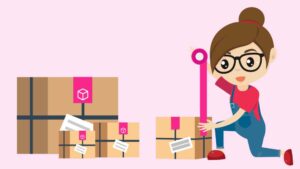
The seller starts preparing the products for export by packing them properly, labeling them according to shipping standards, and ensuring everything is ready for international transport.
3. Export Customs Clearance
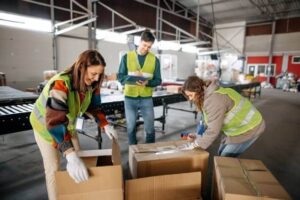
Source: Pinterest
Before the goods can leave the country, the seller must complete all export procedures, including submitting required documents and clearing customs.
4. Delivery to Port of Shipment
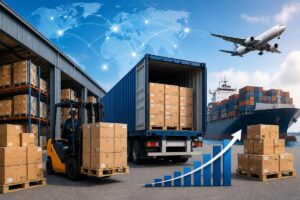
Source: Pinterest
Once cleared, the seller transports the goods to the agreed port of departure and covers all local logistics costs, such as trucking and terminal handling charges at origin.
5. Loading onto the Vessel (Key Point)
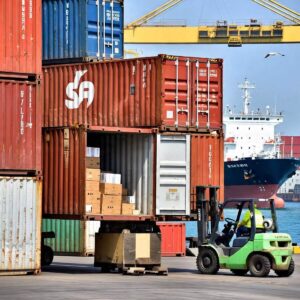
Source: Pinterest
The seller is responsible for loading the goods onto the ship at the port. This is the most important stage in FOB because once the goods are successfully loaded on board, the responsibility, risk, and cost immediately transfer from the seller to the buyer.
6. Buyer Takes Control
Source: Pinterest
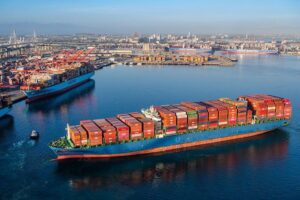
After the goods are on the vessel, the buyer takes over full responsibility, including paying for ocean freight, arranging insurance if needed, and handling import customs clearance at the destination port.
From this point onward, the seller is no longer responsible for any loss or damage that may occur during transit.
7. Final Delivery
Source: Pinterest
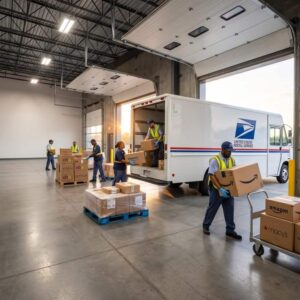
When the shipment arrives at the destination country, the buyer completes import procedures, pays any import duties or taxes, and arranges final delivery to the end destination.
This completes the full FOB shipping cycle, from seller preparation to final receipt of goods.
Features Comparison: Free on Board (FOB) vs Cost, Insurance & Freight (CIF)
Free on Board (FOB) and Cost, Insurance & Freight (CIF) are two commonly used international shipping terms. Both define how costs, risks, and responsibilities are shared between buyers and sellers.
| Features | Free on Board (FOB) | Cost, Insurance & Freight (CIF) |
| Shipping cost | Paid by buyer after goods are loaded onto the ship | Paid by seller until goods reach destination port |
| Insurance | Arranged by buyer | Provided by seller during transit |
| Freight charges | Paid by buyer from port of loading onward | Paid by seller up to destination port |
| Shipping control | Buyer controls shipping and chooses carrier | Seller controls shipping arrangements |
| Best for | Buyers who want more control and flexibility | Buyers who prefer a simpler, seller-managed process |
Why Free on Board Can Be Risky?
For Buyers
Complex Logistics Management
Buyers must coordinate freight forwarding, shipping schedules, and delivery timelines, which can be challenging without logistics experience.
Higher Responsibility After Shipment
Once goods are loaded onto the vessel, the buyer takes full responsibility. Any damage, loss, or delay during transit becomes the buyer’s risk.
For Sellers
Limited Control After Loading
Once goods are shipped, sellers lose control over transportation, which can lead to issues they cannot manage or correct.
Reduced Visibility of Shipment Process
Sellers have less tracking visibility after shipment, making it harder to manage customer expectations or resolve issues.
Common Mistakes in Free on Board Shipping for Buyers and Sellers
Unclear FOB Agreement Terms
If FOB terms are not clearly written in the contract, misunderstandings may happen between buyer and seller about cost and responsibility.
Weak Communication Between Parties
Lack of clear communication between buyer, seller, and freight forwarder can result in delays, loading issues, or misunderstandings about shipping terms.
Confusing FOB with Other Incoterms
FOB is often mixed up with CIF or EXW, leading to incorrect expectations about who pays for shipping, insurance, and customs.
Lack of Legal Contract Clarity
If FOB terms are not clearly written in contracts, disputes may arise over responsibilities, costs, and liability when issues occur.
Free on Board can feel quite complicated because it involves a very specific point of responsibility transfer between seller and buyer. This is where EasyParcel comes in, helping simplify the entire shipping process.
No More FOB Stress—Just Click, Ship, and Relax with EasyParcel!
Instead of dealing with this complexity, EasyParcel simplifies the entire process by allowing you to compare courier options, book shipments, and manage deliveries in one platform.
With delivery coverage to 220+ countries worldwide, you can expand your business globally with confidence while EasyParcel helps you handle the logistics smoothly from pickup to delivery
Free on Board is a simple and important shipping term in international trade. Understanding FOB helps businesses avoid confusion and manage shipping more smoothly.
Looking for an easier way to ship your parcels internationally? With EasyParcel, you can compare international courier rates, choose the best option, and book your shipment in just a few clicks. Sign up for FREE and enjoy a RM10 discount coupon to start your first delivery.
FAQs
1. What is FOB and CIF?
FOB means the seller is responsible until the goods are loaded onto the ship, then the buyer takes over. CIF means the seller pays for the goods, shipping, and insurance until the destination port.
2. Who pays in FOB shipping?
In FOB, the seller pays costs until the goods are loaded onto the ship. After that, the buyer pays for shipping, insurance, and delivery.
3. Who takes the risks of FOB shipping?
In FOB, the buyer takes risk once the goods are on the ship, including damage, delays, and extra shipping costs.