Singapore
 Thailand
 Indonesia
Today, your customers are carrying a powerful shopping tool everywhere they go—their smartphones. Whether they are scrolling through social media, or browsing an online store, shopping is now just a few taps away. This is where mobile commerce comes in.
In this blog, we’ll walk you through everything you need to know about mobile commerce. Let’s get started!
Contents
What Is Mobile Commerce?

Source: Pinterest
Mobile commerce, also known as m-commerce, is the buying and selling of products or services using mobile devices such as smartphones and tablets.
From shopping on apps to placing orders and paying with mobile wallets, mobile commerce makes online shopping faster and more convenient. Customers can browse, shop, pay, and track their orders anytime and anywhere—all from their phones.
3 Main Types of Mobile Commerce
1. Mobile Shopping
Source: Pinterest
Mobile shopping involves browsing and buying products through smartphones or tablets using mobile websites and shopping apps.
Examples:
2. Mobile Payments
Source: Pinterest
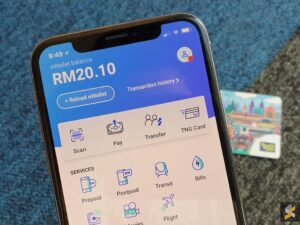
Mobile payments allow products and services to be paid for using a mobile device, such as through digital wallets and QR payments.
Examples:
- Touch ‘n Go eWallet
- GrabPay
- Boost
3. Mobile Banking

Source: Pinterest
Mobile banking allows banking activities to be managed through a smartphone or tablet, including money transfers, bill payments, and account management.
Examples:
- Maybank MAE
- CIMB OCTO
- RHB Mobile Banking
What Are the Advantages of Mobile Commerce?
Mobile commerce offers businesses new ways to reach customers, increase sales, and create a smoother shopping experience.
1. Reach Customers Anytime and Anywhere
Mobile commerce allows businesses to connect with customers wherever they are. With smartphones always within reach, customers can browse products and place orders at any time.
2. Increase Sales Opportunities
A convenient mobile shopping experience makes it easier for customers to discover products and complete purchases. The simpler the buying process, the more opportunities businesses have to increase sales.
3. Improve Customer Experience
Mobile commerce makes shopping faster and more convenient. Customers can browse products, make payments, and track their orders directly from their mobile devices.
4. Offer Faster and Easier Payments
Businesses can provide convenient payment options such as mobile wallets, online banking, and card payments. A simple checkout process can help reduce friction and make it easier for customers to complete their purchases.
5. Support Social Commerce
Mobile devices make it easy for customers to discover and purchase products through social media platforms. Businesses can use social commerce to reach potential customers while they are browsing their favourite apps.
Mobile Commerce vs Electronic Commerce: What’s the Difference?
Mobile commerce and electronic commerce are closely related, but they are not exactly the same. Both allow customers to buy and sell products or services online, but they differ mainly in the devices and shopping experiences they focus on. Here’s a simple comparison to help you understand the difference:
| Aspect | Mobile Commerce (M-Commerce) | Electronic Commerce (E-Commerce) |
| Meaning | Buying and selling products or services through mobile devices | Buying and selling products or services online through electronic devices |
| Devices | Mainly smartphones and tablets | Computers, laptops, smartphones, and tablets |
| Shopping Experience | Designed for quick and convenient shopping on mobile device | Can be accessed through websites and online platforms on different device |
| Accessibility | Customers can shop almost anywhere using their mobile devices | Customers can shop online using various internet-connected devices |
| Main Focus | Convenience, mobility, and fast shopping experiences | Online buying and selling across a wider range of digital platforms |
How Mobile Commerce Is Growing and Shaping Businesses?
Shopping Is Becoming More Convenient
Customers can search for products, add items to their cart, make payments, and check their order status with just a few taps.
Mobile Payments Are Growing
Digital wallets, mobile banking, and other cashless payment methods make checkout faster and more convenient.
More Customers Are Shopping on Mobile
Customers can browse products and make purchases anytime using their smartphones.
Creates New Growth Opportunities
By offering a smooth mobile experience, businesses can attract new shoppers, increase sales opportunities, and support long-term growth.
The Future of Mobile Commerce in 2026 and Beyond
Mobile commerce is changing as technology improves and more people use their smartphones for shopping. In 2026 and beyond, mobile shopping is expected to become faster, easier, and more personalised.
1. More Businesses Will Use AI
AI can help businesses recommend products based on what customers like and buy. This makes shopping more personalised and helps customers find products they may be interested in.
2. Mobile Payments Will Keep Growing
More customers are using digital wallets, mobile banking, and other online payment methods. Businesses will continue to offer easy and secure payment options to make checkout faster.
3. Social Commerce Will Grow
Customers can discover and buy products while using social media. Platforms such as TikTok and Instagram give businesses more ways to reach mobile shoppers and promote their products.
4. Shopping Will Become More Personalised
Businesses can use customer preferences and shopping behaviour to show relevant products and promotions. This can make the shopping experience more convenient and engaging.
5. Delivery Will Become More Important
After placing an order on their phone, customers also expect a smooth delivery experience. Fast delivery, flexible shipping options, and easy parcel tracking will continue to be important.
Mobile commerce makes shopping faster and easier, but the customer journey does not end after clicking “Place Order.” The next step is getting the parcel safely and efficiently to the customer. This is where EasyParcel can make the process easier.
How EasyParcel Supports Mobile Commerce Businesses?
Get Instant Quotes
Send More Parcels at Once
Save time, save cost with less click!
Integrations
Sync all your store orders and experience seamless booking experience in one click
Explore NowWith EasyParcel, you can compare 60+ courier services and rates in one place, making it easier to find a suitable delivery option for your business. Instead of checking different courier websites separately, EasyParcel helps simplify the shipping process, saving you time and making it easier to manage your online orders from booking to delivery.
Mobile commerce is changing the way people shop and businesses sell online. With just a few taps, customers can browse products, make payments, and place orders using their smartphones.
Ready to simplify your shipping? Sign up for FREE today and enjoy a RM10 discount coupon on your first delivery with EasyParcel!
FAQs
1. What is an example of mobile commerce?
An example of mobile commerce is buying products through a shopping app such as Shopee or Lazada using a smartphone.
2. What is the difference between mobile commerce and electronic commerce?
Mobile commerce is a type of electronic commerce that focuses on buying and selling through mobile devices such as smartphones and tablets. Electronic commerce is broader and includes online transactions made through computers, laptops, smartphones, and other internet-connected devices.
3. What is another name for mobile commerce?
Another name for mobile commerce is m-commerce.