Singapore
 Thailand
 Indonesia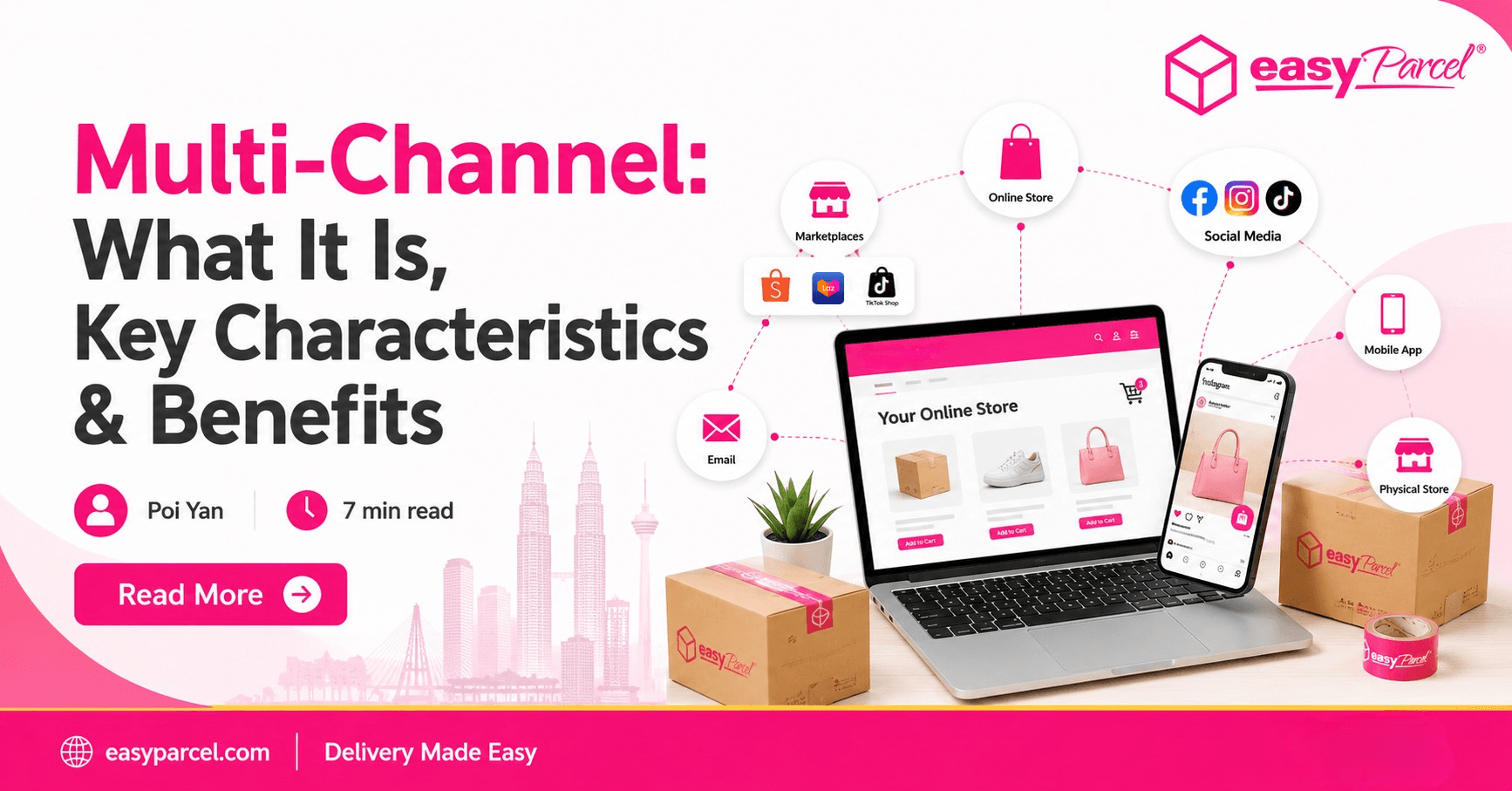
Today, customers can interact with a business in so many different ways—and they often switch between channels before making a purchase. So, why limit your business to just one channel? With multi-channel, you can meet customers where they already spend their time, whether that’s on social media, online marketplaces, your website, or even a physical store.
But how does multi-channel actually work, and how can you manage different channels without making things complicated? Let’s dive in and find out!
Contents
What Is Multi-Channel?
Multi-channel is a business approach where you use multiple channels to reach customers, promote products, and sell goods or services. These channels can include websites, online marketplaces, social media, mobile apps, email, and physical stores. Instead of relying on just one platform, multi-channel allows you to connect with customers through the channels they prefer.
For example, you might sell products on your website and Shopee while using Instagram and TikTok to promote them. Each channel can operate independently, giving customers more options to discover, interact with, and purchase from your business.
5 Key Characteristics of Multi-Channel
Multi-channel comes with several key characteristics that help businesses connect with customers across different platforms. Here are the main features you should know:
1. Uses Multiple Channels
Uses different channels such as email, mobile apps, websites, social media, and physical stores to reach customers.
2. Offers More Choices
Gives customers the freedom to choose how they want to browse, shop, and interact with a business.
3. Keeps Channels Separate
Each channel operates independently, so customer data, orders, and information may not be shared between channels.
4. Supports Different Customer Preferences
Lets customers choose the platform that best suits their shopping habits and preferences.
5. Requires Separate Management
Each channel may need to be managed individually, including its marketing, sales, customer service, and operations.
How Does Multi-Channel Work?
1. Choose Your Channels
Source: Pinterest
Select the channels that best suit your target customers, such as your website, social media, online marketplaces, mobile apps, or physical stores.
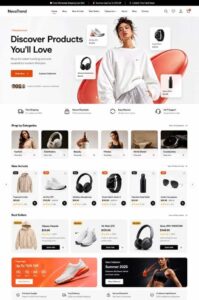
2. Showcase Your Products or Services
Source: Pinterest
List and promote your products or services across your selected channels so customers can easily discover what you offer.
3. Customers Choose Their Preferred Channel

Source: Pinterest
Customers can browse, communicate, and make purchases through the channel they find most convenient.
4. Receive and Manage Orders

Source: Pinterest
Once customers place orders, you process them through the relevant sales channel. Each channel may have its own order management process.
5. Fulfil and Deliver Orders

Source: Pinterest
Prepare the orders and arrange shipping or delivery based on the customer’s location and chosen delivery option.
Multi-Channel vs Omnichannel: What's the Differences?
Multi-channel and omnichannel both use multiple channels to connect with customers, but they work in different ways.
| Aspect | Multi-Channel | Omnichannel |
| Definition | Uses multiple channels to reach and serve customers | Connects multiple channels to create a unified customer experience |
| Channel Integration | Channels usually operate separately | Channels are connected and work together |
| Data Sharing | Customer and order data may not be shared between channels | Data is shared across channels for a more personalised experience |
| Inventory Management | Inventory may be managed separately for each channel | Inventory is usually connected and updated across channel |
| Best For | Businesses that want to expand their reach across different platforms | Businesses that want to provide a fully connected customer experience across all touchpoints |
What Are the Benefits of Multi-Channel?
Improve Brand Visibility
Being present across websites, social media, marketplaces, and physical stores helps more people discover and recognise your brand.
Increase Sales Opportunities
Having your products or services available on different channels creates more opportunities for customers to discover and make a purchase.
Offer More Customer Choices
Customers can choose their preferred way to browse, shop, communicate, or receive support based on their needs.
Reach More Customers
Using multiple channels helps you connect with a wider audience and reach customers wherever they prefer to shop or interact.
What Are the Challenges of Multi-Channel?
Managing Multiple Channels
Managing several platforms at the same time can be challenging, especially when each channel has different requirements and processes.
Keeping Information Consistent
It can be difficult to maintain consistent product details, pricing, promotions, and branding across all channels.
Managing Inventory
Tracking stock levels across multiple channels can become complicated and may lead to overselling or stock shortages if inventory is not updated properly.
Handling Multiple Orders
Receiving orders from different platforms can make order processing more time-consuming, especially as your sales volume grows.
How to Create a Successful Multi-Channel Strategy?
A successful multi-channel strategy is not about being everywhere at once. It is about choosing the right channels for your business and managing them effectively. Here are some tips:
1. Know Your Target Customers
Understand where your target customers spend their time and how they prefer to shop or interact with businesses. This helps you choose the most relevant channels.
2. Choose the Right Channels
Select channels that match your products, target audience, and business goals. These could include your website, social media, online marketplaces, mobile apps, or physical stores.
3. Keep Your Brand Consistent
Use consistent branding, product information, pricing, and messaging across your channels. This makes it easier for customers to recognise and trust your business.
4. Make Shopping Easy
Provide a simple and convenient experience on every channel. Make sure customers can easily browse products, place orders, make payments, and get support.
5. Manage Orders and Inventory Efficiently
As you sell through multiple channels, keeping track of orders and stock can become challenging. Use suitable tools and systems to organise your inventory and fulfil orders accurately.
6. Simplify Your Shipping Process
Offer reliable delivery options and make it easy to manage shipments from different sales channels. A centralised shipping solution can help you arrange deliveries and track parcels more efficiently.
As you expand across multiple sales channels, managing orders and deliveries can become more complex. This is where EasyParcel comes in, helping you simplify your shipping process and manage deliveries more efficiently.
How Does EasyParcel Support Multi-Channel Businesses?
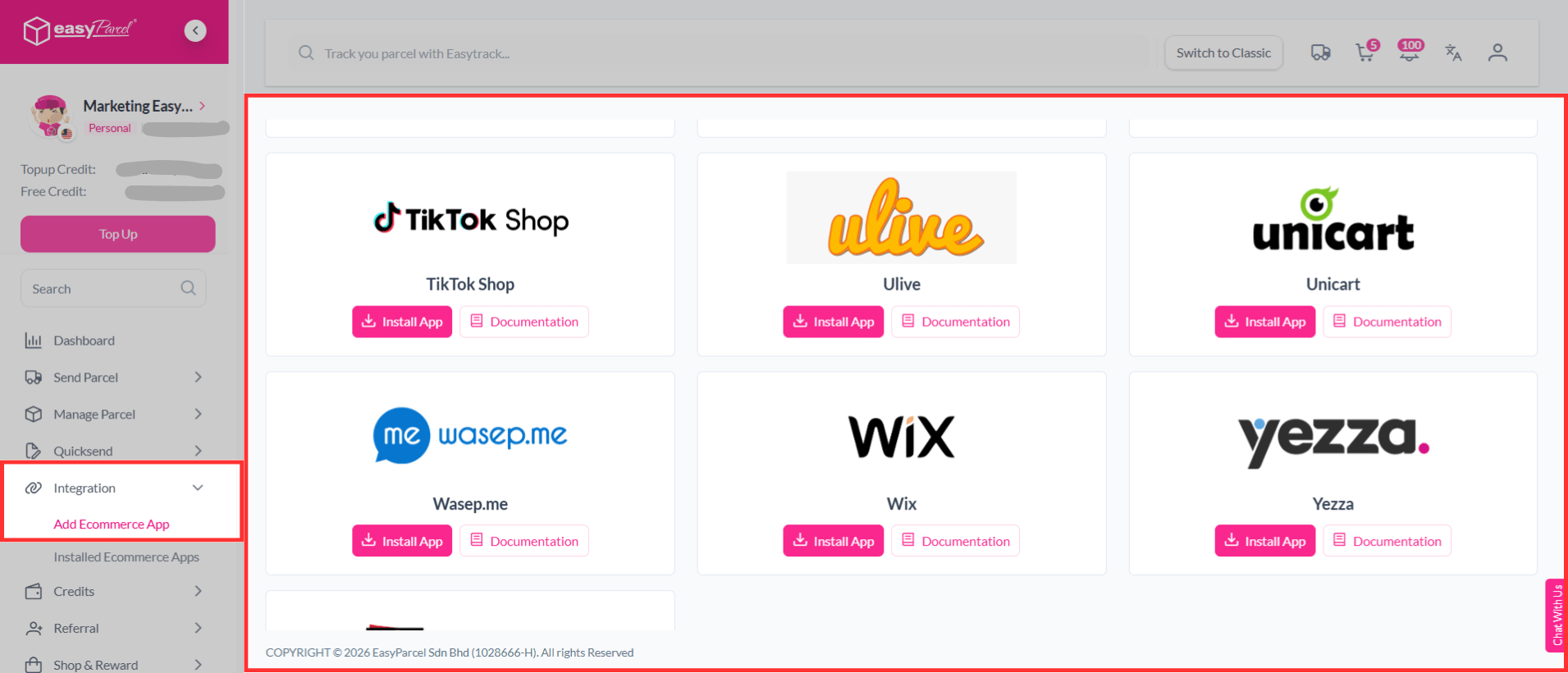
With EasyParcel, you can integrate with 40+ webstores and marketplaces to streamline your order and delivery process. Instead of switching between different platforms to handle each order, you can bring your orders together in one centralised dashboard. This helps you process shipments more efficiently and keep your delivery operations organised.
Multi-channel allows you to reach customers across different platforms and give them more ways to shop and interact with your business. By using channels such as online marketplaces, websites, social media, mobile apps, and physical stores, you can connect with customers wherever they prefer to browse and make purchases.
Ready to simplify your multi-channel shipping? Sign up for FREE today and enjoy a RM10 discount coupon to kickstart your first delivery with EasyParcel!
FAQ about Multi-Channel
1. What is an example of multi-channel?
An example of multi-channel is a business that sells products through its website, online marketplaces, social media, mobile apps, and physical stores. Customers can choose their preferred channel to browse and purchase products.
2. What is the difference between multi-channel and omnichannel?
Multi-channel uses multiple channels that often operate separately, while omnichannel connects these channels to create a seamless and consistent customer experience across different touchpoints.
3. Is multi-channel suitable for small businesses?
Yes. Multi-channel is suitable for small businesses as it allows them to reach more customers through different platforms, such as social media, online marketplaces, websites, and physical stores, without relying on a single channel.