Singapore
 Thailand
 Indonesia
Sea freight is one of the most widely used methods of transporting goods internationally. It is commonly used for international shipments, especially when sending large, heavy, or bulk items.
Ever wondered how massive shipments travel across oceans and still reach the right destination safely? That’s where sea freight plays a key role in global logistics.
In this guide, you’ll discover useful information about sea freight to help you better understand how it works.
Contents
What Is Sea Freight?
Sea freight, also known as ocean freight, is the transportation of goods by cargo ships across oceans and seas. It is one of the most common shipping methods used for international trade, allowing businesses and individuals to move goods between countries around the world.
Sea freight is often chosen for transporting large, heavy, or bulky shipments that may be too costly to send by air. Goods are typically packed into shipping containers and loaded onto cargo vessels before being transported to their destination port. While sea freight generally takes longer than air freight, it is usually more cost-effective for high-volume shipments.
Simple, powerful, and essential for global trade—that’s sea freight in action!
Types of Sea Freight Shipping Methods
Source: Pinterest
1. Full Container Load (FCL)
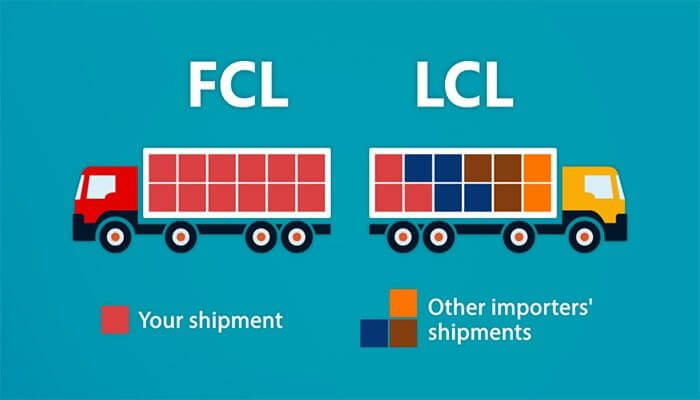
Full Container Load (FCL) means you book an entire shipping container exclusively for your cargo. Your goods are loaded into a dedicated container and remain separate from other shipments throughout the journey.
FCL is typically recommended for businesses or individuals shipping large volumes of goods that can fill most or all of a container. Since the container is not shared with other shippers, there is less cargo handling involved, which can reduce the risk of damage and delays.
Benefits of FCL:
- Faster transit times compared to shared shipments
- Lower risk of damage due to less handling
- Better security as the container is dedicated to one shipment
Best for:
- Large shipments
- Bulk goods
- Businesses importing or exporting high volumes of products
2. Less than Container Load (LCL)
Less than Container Load (LCL) is a shipping method where multiple shipments from different customers are combined into a single container. Each shipper only pays for the space their cargo occupies, making it a cost-effective option for smaller shipments.
LCL is ideal for businesses and individuals who do not have enough goods to fill an entire container. However, the shipment may require additional handling and consolidation with other cargo, which can lead to slightly longer transit times.
Benefits of LCL:
- Lower shipping costs for small shipments
- No need to wait until you have enough cargo to fill a container
- Suitable for occasional international shipments
Best for:
- Small to medium-sized shipments
- Start-ups and small businesses
- Low-volume imports and exports
Sea Freight vs Air Freight: What's the Difference?
Source: Pinterest
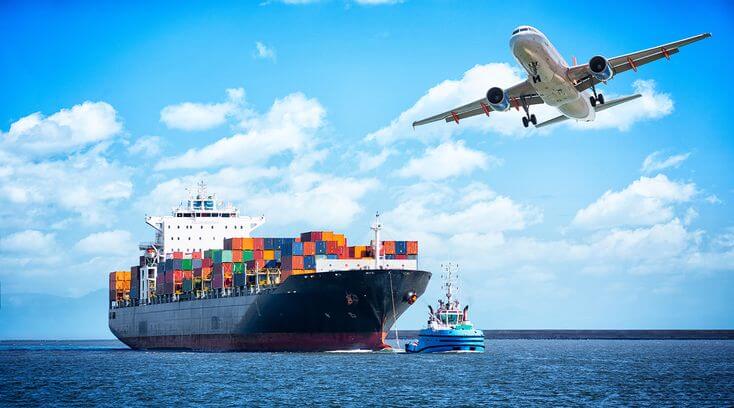
| Features | Sea Freight | Air Freight |
| Cost | Lower | Higher |
| Speed | Slower | Faster |
| Capacity | Very large shipments | Limited capacity |
| Best For | Bulky, heavy and non-urgent shipments | Small and urgent shipments |
How Sea Freight Works?
1. Sender Planning and Booking

The first step is determining the most suitable shipping method. Shippers can choose between Full Container Load (FCL), where an entire container is used for one shipment, or Less than Container Load (LCL), where multiple shipments share the same container.
Once you’ve chosen the best option, your shipping provider or freight forwarder will book space on a cargo vessel and handle the necessary shipping documents. From there, your shipment is ready to begin its journey across the sea!
2. Cargo Collection and Export Handling

Source: Pinterest
The goods are collected from the sender’s warehouse or business location and transported to the departure port. Before the shipment can leave the country, it must undergo export customs clearance to ensure all required documents and regulations are met.

The Ultimate Checklist To Deliver An International Shipment
For a smoother international shipping process, you can refer to our ultimate checklist here.
3. Container Loading and Vessel Departure
Source: Pinterest
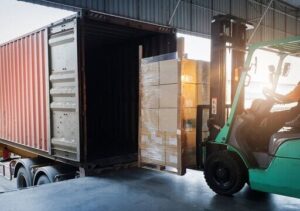
After customs clearance, the cargo is loaded into shipping containers and securely sealed. The containers are then placed onto the cargo ship using specialised port equipment.
With everything safely on board, the vessel sets sail and begins its journey across the sea to the destination port. The shipment is now one step closer to reaching its final destination.
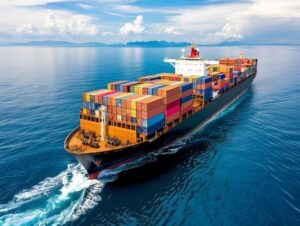
4. Ocean Transportation
Source: Pinterest
The cargo travels across oceans and seas following scheduled shipping routes. Transit times vary depending on the destination, shipping route, weather conditions, and port schedules. Every journey is different, but each step is planned to ensure the shipment arrives safely and on time!
5. Arrival and Import Customs Clearance

Source: Pinterest
When the shipment arrives at the destination port, the containers are unloaded from the vessel. The cargo must then pass through import customs clearance, where authorities inspect documents and assess any applicable duties and taxes.
Once everything is approved, the cargo is almost ready for its final delivery. Exciting, right? The journey is nearly complete!
6. Final Delivery

Source: Pinterest
After customs clearance is completed, the cargo is released and transported to its final destination. This may be a warehouse, distribution centre, business premises, or the recipient’s address.
The shipment is now almost in the hands of the receiver—safe, complete, and delivered as planned.
What Are the Benefits of Sea Freight?
Cost-Effective for Large Shipments
Sea freight is generally more affordable, especially for large, heavy, or bulk shipments. Businesses can transport large quantities of goods at a lower cost, making it an economical option for international shipping.
Ideal for Heavy and Bulky Cargo
Sea freight can handle oversized, heavy, and bulky cargo with ease. This makes it suitable for machinery, vehicles, construction materials, and other large items.
Suitable for a Wide Range of Goods
Sea freight can accommodate various types of cargo, including consumer goods, raw materials, electronics, furniture, industrial equipment, and more. Special containers are also available for temperature-sensitive or hazardous goods.
Common Challenges of Sea Freight
Longer Transit Times
Depending on the shipping route and destination, shipments can take several weeks or even months to arrive.
Weather-Related Delays
Severe weather conditions such as storms, heavy rain, strong winds, and rough seas can affect shipping schedules. These conditions may cause vessels to travel more slowly or delay departures and arrivals.
Port Congestion
Busy ports can experience congestion due to high cargo volumes, labour shortages, or operational disruptions. When this happens, containers may take longer to be loaded, unloaded, or processed.
Sea freight remains one of the most cost-effective and reliable ways to transport goods internationally. Whether you’re shipping large volumes of cargo, heavy equipment, or commercial products, sea freight offers flexible shipping options to suit different business needs.
Need a hassle-free way to ship internationally? Compare international shipping services and manage your shipments conveniently with EasyParcel. Sign up for a FREE EasyParcel account today and receive an RM10 shipping coupon for your first shipment.
FAQs
1. How long is sea freight from China to Malaysia?
Sea freight from China to Malaysia typically takes between 15 to 30 days. The exact transit time depends on the port of origin and destination, shipping route and customs clearance process.
2. How much is sea freight per kg?
Sea freight costs vary based on factors such as shipment weight, volume (CBM), cargo type, shipping route, and container type (FCL or LCL).
3. How to calculate sea freight costs?
Sea freight cost is calculated based on the volume of your cargo (CBM), container type (FCL or LCL), and the shipping route. Additional charges such as port fees, customs clearance, documentation, and delivery services may also apply. For LCL shipments, you usually pay per CBM, while FCL uses a fixed container rate.