Singapore
 Thailand
 Indonesia
Ever wondered why some brands suddenly become popular online? One moment, a business posts a video, and the next, thousands of people are sharing it, talking about it, and telling their friends about it. This is the power of viral marketing.
So, what exactly is viral marketing? In this guide, let’s explore everything you need to know about viral marketing.
Contents
What Is Viral Marketing?

Source: Pinterest
Viral marketing is a marketing strategy that encourages people to share content with others, helping it spread quickly across social media, messaging apps, and other online platforms.
The content can be a video, image, post, challenge, campaign, or even a funny meme. When people find the content interesting, useful, entertaining, or relatable, they may share it with their friends and followers. This can help a business reach a much larger audience in a short time.
6 Common Types of Viral Marketing
1. Emotional Marketing

Source: Pinterest
Emotional marketing creates content that makes people feel strong emotions, such as happiness, inspiration, surprise, or empathy. When people feel emotionally connected to content, they are more likely to share it with friends, family, and followers.
Benefits:
- Creates a stronger connection with the audience
- Makes the brand more memorable
2. Buzz Marketing

Source: Pinterest
Buzz marketing creates excitement and conversation around a brand, product, or campaign. Businesses may use surprising, unusual, controversial, or unexpected ideas to get people talking. As people discuss and share the content online, the conversation can grow and help the content spread rapidly.
Benefits:
- Encourages people to discuss and share the campaign
- Increases online visibility and engagement
3. Incentivized Marketing

Source: Pinterest
Incentivized marketing encourages people to share content, invite others, or refer friends by offering rewards such as discounts, bonuses, or special offers. This creates a reason for people to actively spread the brand’s message to their own networks.
Benefits:
- Encourages referrals and word-of-mouth
- Helps businesses reach new audiences
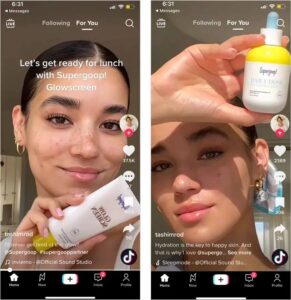
4. Influencer-Driven Marketing
Source: Pinterest
Influencer-driven marketing uses influencers or content creators to introduce a brand to their existing audience. When followers find the content interesting or relatable, they may like, comment, repost, or share it with others.
Benefits:
- Helps content reach a large audience quickly
- Encourages sharing through established online communities
5. User-Generated Content (UGC)

Source: Pinterest
User-generated content (UGC) is created and shared by customers or audiences rather than the brand itself. When people post their experiences, reviews, photos, or videos about a brand, their followers may also interact with and share the content.
Benefits:
- Encourages customers to become part of the campaign
- Creates authentic and shareable content
6. Humorous or Entertaining Content

Source: Pinterest
Funny, creative, or relatable content is often highly shareable because people enjoy sending it to friends and family. Memes, short videos, and entertaining posts can quickly move from one social media user to another, helping businesses gain attention and reach a larger audience.
Benefits:
- Makes people more likely to share the content
- Helps content spread quickly on social media
7 Key Drivers of Viral Marketing
What makes some marketing content spread quickly while other posts get little attention? There is no guaranteed formula for going viral, but several key factors can increase the chances of content being widely shared.
1. Emotional Appeal
Content that creates strong emotions such as happiness, excitement, surprise, humour, or inspiration is more likely to be shared.
Why it matters:
- Makes content more memorable
- Helps create a stronger connection with the audience
2. Relatability
People are more likely to share content when they can relate to it or see their own experiences in it.
Why it matters:
- Makes audiences feel understood
- Makes the brand feel more authentic
3. Shareability
Viral content should be easy and enjoyable to share. This can include short videos, memes, images, or interesting social media posts.
Why it matters:
- Makes it easier for content to spread
- Can create a chain reaction of sharing
4. Uniqueness and Creativity
Fresh, creative, and unexpected ideas can stand out from the large amount of content people see every day.
Why it matters:
- Captures audience attention
- Encourages people to talk about the content
- Makes the campaign more memorable
5. Trends and Timing
Creating content around relevant trends, popular topics, or current events can help a campaign gain attention at the right time.
Why it matters:
- Helps content join existing online conversations
- Can attract audiences already interested in the topic
6. Social Influence
Influencers, celebrities, and content creators can help introduce a brand or campaign to their established audiences.
Why it matters:
- Helps businesses reach larger audiences
- Builds awareness through trusted personalities
7. Easy Sharing
Making content simple to repost, forward, tag, or share can encourage more people to spread it.
Why it matters:
- Encourages faster content distribution
- Increases the potential for organic growth
Pros and Cons of Viral Marketing: Is Going Viral Always Good?
Pros of Viral Marketing
Wide Reach
Content can reach a large audience quickly when people share it across social media and other platforms.
Lower Marketing Costs
Businesses may gain significant exposure through organic sharing without spending heavily on paid advertising.
Higher Engagement
Interesting and shareable content can encourage more likes, comments, shares, and discussions.
Increased Brand Awareness
A viral content can put a brand in front of many new audiences and make it more recognizable.
Cons of Viral Marketing
Difficult to Predict
There is no guarantee that a content will go viral, even if the content is well planned.
Limited Control
Once content spreads, businesses may have less control over how people interpret, discuss, or share it.
Negative Attention
If people react negatively to the content, the same viral effect can quickly spread criticism or backlash.
Short-Lived Attention
Viral content may attract attention for only a short period before audiences move on to the next trend.
Viral Marketing vs Word-of-Mouth Marketing: What's the Difference?
Although viral marketing and word-of-mouth marketing both rely on people sharing information, they work in slightly different ways. Here is a simple comparison:
| Aspect | Viral Marketing | Word-of-Mouth Marketing |
| Main Focus | Encourages content to spread quickly to a large audience | Encourages people to recommend a brand through personal conversations |
| How It Spreads | Mainly through social media, websites, messaging apps, and online platforms | Through conversations between friends, family, colleagues, and customers |
| Speed | Can spread very quickly, sometimes within hours or days | Usually spreads more gradually through personal recommendations |
| Reach | Can reach a large audience beyond the original network | Usually starts with a smaller, more personal network |
| Content | Often uses videos, memes, challenges, trends, or social media campaigns | Often involves personal opinions, experiences, reviews, or recommendations |
6 Common Viral Marketing Mistakes to Avoid
Going viral may sound exciting, but it does not always guarantee success. A campaign can quickly gain attention, but the wrong strategy can also lead to negative reactions or missed opportunities. Here are some common mistakes businesses should avoid:
1. Chasing Every Trend
Jumping on every trending topic may make a brand look forced or out of touch.
Tips:
- Choose trends that match the brand
- Make sure the trend is relevant to the target audience
2. Ignoring the Target Audience
Content may go viral but fail to attract the right customers if it does not match the audience’s interests.
Tips:
- Understand the target audience
- Create content based on their interests and preferences
3. Focusing Only on Going Viral
Millions of views do not always mean more customers or sales.
Tips:
- Set clear marketing goals
- Track engagement, website traffic, and conversions
4. Ignoring Negative Reactions
Viral content can attract both positive and negative attention. Ignoring criticism can make the situation worse.
Tips:
- Monitor comments and audience reactions
- Respond to genuine concerns professionally
5. Poor Timing
Even good content may not perform well if it is published at the wrong time or after a trend has already passed.
Tips:
- Monitor relevant trends
- Publish content while audience interest is high
6. Failing to Follow Up
Some businesses enjoy a viral moment but do not know what to do next, causing the attention to disappear quickly.
Tips:
- Create follow-up content
- Keep engaging with new followers
A viral marketing campaign can help a business attract more attention and customers. However, businesses also need to be ready for more orders and deliveries. From preparing for a campaign to managing more parcels after it goes viral, EasyParcel can help businesses manage their shipping needs more easily.
How EasyParcel Can Support Businesses After a Viral Marketing Campaign?
Get Instant Quotes
Send More Parcels at Once
Save time, save cost with less click!
Integrations
Sync all your store orders and experience seamless booking experience in one click
Explore NowWith EasyParcel, you can compare rates from over 60 courier services, book deliveries, arrange parcel pickups, and track shipments all in one place. This helps you manage the sudden increase in orders while keeping deliveries organised.
So, while your viral campaign brings in the attention, EasyParcel can help you handle the deliveries that come after it.
Viral marketing can give businesses a great opportunity to reach more people, increase brand awareness, and attract new customers. It can also help businesses grow and connect with more potential customers.
Ready to handle more orders after going viral? Sign up for FREE and enjoy a RM10 discount coupon on EasyParcel now!
FAQs
1. What is a viral marketing?
Viral marketing is a strategy that encourages people to share content with others. When content is interesting, funny, emotional, or relatable, it can spread quickly and reach a large audience.
2. Does viral marketing actually work?
Yes, viral marketing can help businesses reach more people, increase brand awareness, attract new customers, and boost engagement. However, there is no guarantee that every content will go viral.
3. How to do viral marketing?
Businesses can create interesting and shareable content that connects with their target audience. Using humour, emotions, trends, influencers, or social media challenges can also encourage people to share the content.