Ecommerce is the buying and selling of goods or services over the internet – from online stores and marketplaces to social media selling. This blog covers how ecommerce works, business models, how to start your own online store, and the benefits and challenges of selling online.
Table of Contents
What Is Ecommerce?
Ecommerce (electronic commerce) refers to the buying and selling of products or services online through websites, mobile apps, or digital platforms.
Common ecommerce activities include:
- Online shopping
- Digital payments
- Marketplace selling
- Online subscriptions
- International online delivery
👉 In simple terms, ecommerce allows businesses to operate and sell products online without relying on physical stores.
Where Does Ecommerce Happen?
Ecommerce takes place across various digital channels. Here are the three main types:
Type 1: Ecommerce Websites
These are online stores created by brands or individuals to sell directly to consumers. Platforms like Shopify, WooCommerce, and Wix provide tools to build and manage ecommerce websites.
|
Advantage
|
Challenge
|
|---|---|
|
Full control over design and customer experience
|
Must drive your own traffic (no built-in audience)
|
|
Own all customer and sales data
|
Requires SEO and marketing efforts
|
|
Build your brand identity
|
Higher upfront effort
|
Type 2: Online Marketplaces
Amazon, eBay, Etsy, and Shopee are examples of online marketplaces where multiple sellers list their products. These platforms attract large volumes of shoppers.
|
Advantage
|
Challenge
|
|---|---|
|
Built-in traffic and audience
|
Less control over branding
|
|
Platform handles technical aspects (hosting, payments)
|
Customer and sales data may not be shared
|
|
Easier for beginners
|
Higher competition and platform fees
|
Type 3: Social Selling Channels
Social media platforms like Facebook, Instagram, TikTok, and YouTube now include features that allow direct sales through posts, ads, and storefronts.
|
Advantage
|
Challenge
|
|---|---|
|
Large, engaged audiences
|
Need consistent content creation
|
|
Deep data insights for targeting
|
Platform algorithm changes
|
|
Integrates shopping into social browsing
|
Less control than own website
|
How Ecommerce Works
|
Step
|
What Happens
|
|---|---|
|
1. Listing
|
Seller lists products on an online sales platform (website, marketplace, or social media)
|
|
2. Ordering
|
Customer browses and places an order
|
|
3. Payment
|
Customer pays using credit card, digital wallet, or other method; payment gateway secures the transaction
|
|
4. Processing
|
Seller receives order notification and prepares the product
|
|
5. Fulfillment
|
Seller packages and ships the product (or uses a fulfillment service)
|
|
6. Delivery
|
Parcel is delivered to customer's doorstep
|
|
7. Support
|
Customer service handles returns, issues, or inquiries
|
Types of Ecommerce Business Models
Ecommerce businesses are categorised by the relationship between buyer and seller. Here are the most common models:
Business to Consumer (B2C)
A business sells goods or services directly to individual consumers.
Example: An online footwear brand designs, sells, and ships sneakers directly to customers.
Best for: Most online retailers, from small shops to major brands.
Business to Business (B2B)
One business sells products or services to another business.
Example:
A software company sells technology licenses to small businesses. A bed linen brand supplies sheets to a hotel.
Best for:
Wholesale suppliers, manufacturers, software companies.
Consumer to Consumer (C2C)
Individuals sell goods or services directly to other individuals, typically through online marketplaces.
Example:
Someone sells a used sofa on Facebook Marketplace or a handmade necklace on Etsy.
Best for:
Resellers, crafters, casual sellers, peer-to-peer marketplaces.
Consumer to Business (C2B)
Individuals sell their goods or services to companies.
Example:
A freelancer offers graphic design services on Upwork, or a photographer licenses images to a business.
Best for:
Freelancers, creators, consultants.
Direct to Consumer (DTC)
A subset of B2C where brands sell directly to customers without using retailers or wholesalers. Many DTC brands are "digitally native" – operating solely online.
Example:
A mattress company sells directly through its website, bypassing furniture stores.
How to Start an Ecommerce Business – 7 Steps
Step 1: Choose a Product & Find Your Niche
Pick a product you are passionate about. Narrow your focus to a specific audience (e.g., “floral dog bow ties” instead of “pet accessories”). Use SEO tools and social media to gauge demand.
Step 2: Write a Business Plan
Outline your goals, target market, marketing strategies, and financial projections. Keep it simple – 15 to 20 pages is plenty.
Step 3: Choose Your Business Model & Sales Channel
Business models: B2C (sell to consumers), B2B (sell to businesses), DTC (direct to consumer), or dropshipping (no inventory).
Sales channels: Own website (Shopify, WooCommerce), online marketplace (Amazon, Etsy, Shopee), or social selling (TikTok, Instagram).
Step 4: Source Your Products
- Manufacturing: Create your own branded products
- Wholesaling: Buy bulk, sell individually
- Dropshipping: Supplier ships directly to customer
- Handmade: Make products yourself
Step 5: Name Your Business & Build Your Brand
Choose a unique, simple name. Check domain and social media availability. Create a logo for your packaging and website.
Step 6: Set Up Your Online Store
Build your store on Shopify, WooCommerce, or Wix. Add products with descriptions and images. Set up payment options (credit cards, digital wallets). Register your business legally.
Step 7: Launch & Market
Drive traffic through SEO, social media, email marketing, and paid ads. Track KPIs – traffic, conversion rate, average order value. An SEO agency can help with long-term organic visibility, keyword targeting, and sustainable traffic growth.
From Checkout to Delivery – All in One Dashboard
Seamless integration with Shopify, WooCommerce, TikTok Shop, and more – import orders, fulfill shipments, and track everything from one dashboard.

Ecommerce Trends to Watch in 2026
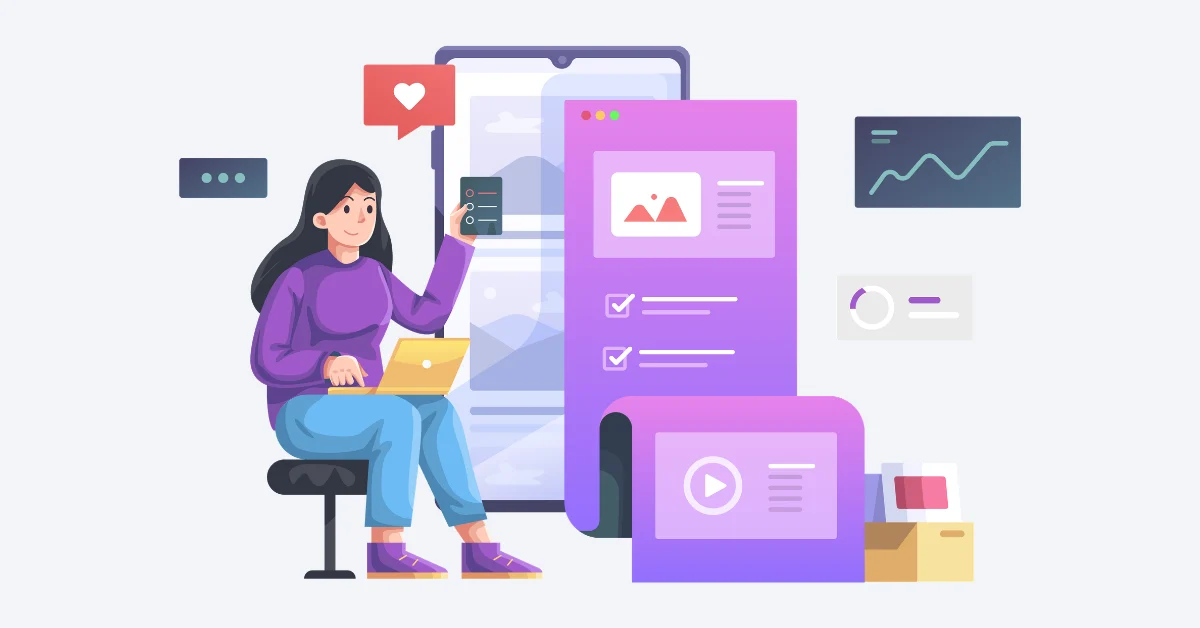
Trend 1: Social Commerce is Rising
Social media platforms like TikTok, Instagram, and Facebook now let you sell directly where customers already spend their time.
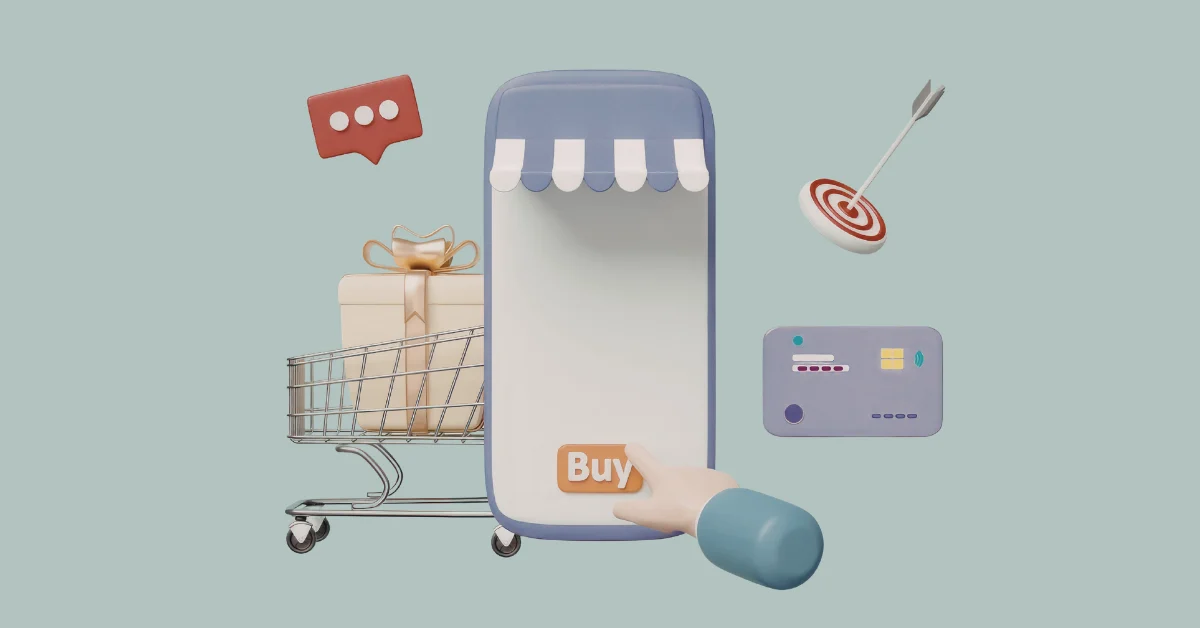
Trend 2: Mobile Commerce (M-Commerce)
More than half of online sales now happen on mobile devices. Ensure your ecommerce website is mobile-friendly with fast loading times and easy checkout.
Trend 3: Sustainable Ecommerce
Consumers are demanding eco-friendly products and sustainable shipping. Brands that offer minimal packaging, carbon-neutral delivery, and eco-friendly products are gaining preference.
Trend 4: AI and Personalization
AI tools help ecommerce businesses personalise product recommendations, optimise pricing, and automate customer service through chatbots.
Challenges of Ecommerce
|
Challenge
|
How to Address
|
|---|---|
|
Security concerns
|
Invest in secure payment gateways and SSL certificates to protect customer data
|
|
Shipping and fulfillment
|
Use reliable couriers and shipping platforms to ensure timely delivery
|
|
Increased competition
|
Differentiate through unique products, competitive pricing, and exceptional customer experience
|
|
Customer service demands
|
Implement strong return policies and responsive customer support
|
|
Marketing costs
|
Start with organic strategies (SEO, social media) before scaling paid ads
|
|
Returns and refunds
|
Clear return policies and easy processes to maintain customer trust
|
Ecommerce and Shipping – The Critical Link
Why Shipping Matters in Ecommerce
|
Factor
|
Impact
|
|---|---|
|
Delivery speed
|
Fast shipping improves customer satisfaction and repeat purchases
|
|
Shipping costs
|
High shipping costs are a top reason for cart abandonment
|
|
Tracking visibility
|
Customers expect real-time updates on their orders
|
|
Returns process
|
Easy returns build trust and loyalty
|
How EasyParcel Helps Ecommerce Businesses
Multiple Reliable Couriers
Compare 60+ domestic and international courier services– choose the best rate and speed
No Hidden Fees
Transparent pricing – fuel surcharges and taxes included upfront
Easy Booking
Book shipments in minutes, not hours
Bulk Upload
Bulk Import up to 1,000 orders at once
Free Customize Tools
Add your logo to AWB, tracking pages, SMS notifications, and email notifications
Ecommerce Integration
Sync with Shopify, WooCommerce, TikTok Shop, and more – orders auto-import
Real-Time Tracking
Monitor all shipments in one place, from pickup to delivery using EasyTrack.
Parcel Protection
Easycover coverage up to S$5,000 against loss
Free Order Form Tool
QuickSend – share a link, customers fill delivery details, pay via QR code, orders auto-import to your dashboard
Collaboration Tool
Invite team members with specific roles and permissions for better workflow.