Introduction: The Booming Philippines eCommerce Market
The Philippines eCommerce sector continues to expand, supported by growing internet connectivity, smartphone adoption and digital payment usage. According to Euromonitor International’s May 2026 report, retail eCommerce sales reached PHP 1.19 trillion in 2025, representing a 13% increase from the previous year. Major platforms such as Shopee, Lazada, TikTok Shop and Zalora continue to shape the country’s online shopping landscape, creating opportunities for both local and international businesses.
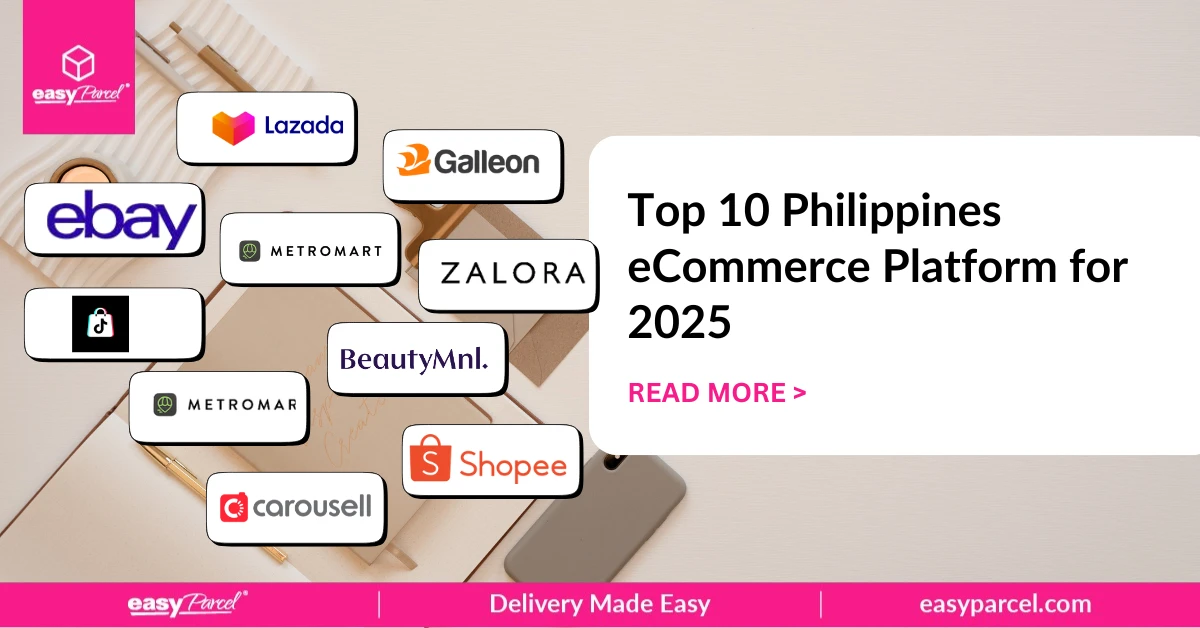
Top 10 Philippines eCommerce Platforms
The following list is presented in no particular order and does not represent a ranking of the brands.
1. Shopee Philippines
Shopee remains the top marketplace with flash sales, free shipping offers, and gamified shopping that appeal to Filipino consumers.
2. Lazada Philippines
Backed by Alibaba, Lazada is a trusted platform with strong logistics and cross-border shopping options.
3. Zalora Philippines
A go-to destination for fashion and lifestyle products, Zalora offers both local and international brands.
4. TikTok Shop Philippines
TikTok Shop thrives with live selling and influencer-driven sales, a perfect fit for the Philippines’ social media culture.
5. Temu
Temu is an online shopping marketplace that connects consumers with merchandise partners, manufacturers and brands. It offers a wide range of products across categories such as fashion, beauty, electronics, home essentials and lifestyle items, with a focus on affordable shopping.
6. MetroMart
Focused on groceries and household essentials, MetroMart connects shoppers with local supermarkets and stores.
7. eBay Philippines
A global marketplace that allows Filipinos to buy and sell both local and international goods.
8. Carousell Philippines
Carousell is popular for secondhand goods and peer-to-peer selling, ideal for budget-conscious shoppers.
9. Galleon.ph
Known for imported goods not easily found locally, Galleon.ph helps Filipinos access niche international products.
10. SM Malls Online
SM, the largest retail chain in the Philippines, now offers an online extension of its physical malls for seamless shopping.
Ship to the Philippines with EasyParcel.
Compare available courier services and arrange your international deliveries with ease.
Tips for Businesses Targeting Filipino Shoppers
- Offer competitive promotions: Use discounts, vouchers and shipping promotions to encourage purchases.
- Provide convenient payment options: Consider payment methods supported by your selling platform and target customers, including digital wallets and Cash on Delivery (COD) where available.
- Use social media marketing: Promote products through short-form videos, livestreams and influencer collaborations to reach potential customers.
- Provide reliable customer service: Respond to enquiries promptly, communicate delivery updates and handle customer concerns professionally.
What to Take Note If Shipping from Philippines to Singapore
When shipping goods from the Philippines to Singapore, businesses should consider the following:
- Customs Documentation: Prepare accurate shipment descriptions, declared values and the required customs documents.
- Restricted Goods: Check Singapore’s import restrictions and permit requirements before sending products such as health supplements, cosmetics and electronics.
- GST and Import Duties: GST treatment depends on the goods’ value, transportation method and whether GST was collected at checkout. For low-value goods with a sales value of S$400 or less imported by air or post, GST may be collected at checkout by a GST-registered overseas seller or marketplace. Otherwise, import GST may apply when the shipment’s total CIF value exceeds S$400.
- Packaging: Use suitable protective materials and secure packaging to reduce the risk of damage during transportation.
Understanding these requirements helps businesses prepare shipments and avoid unnecessary customs delays.
Conclusion: Navigating the Future of Philippines eCommerce
The Philippines eCommerce industry is booming, shaped by youth-driven shopping habits, strong mobile adoption, and social media influence. With Shopee, Lazada, TikTok Shop, and niche players like MetroMart, the country offers diverse opportunities for sellers. Businesses that adapt to local preferences—such as COD, digital wallets, and free shipping—can thrive in this dynamic Southeast Asian market.
Frequently Asked Question (FAQs)
Related Blogs