Singapore
 Thailand
 Indonesia
Have you ever wondered how millions of products travel from factories to warehouses, stores, and finally to your doorstep so quickly? Behind this seamless journey is a logistics hub—a central location that keeps goods moving efficiently.
But what exactly is a logistics hub? How does it work, and why is it so important? In this guide, you’ll discover everything you need to know about logistics hubs. Let’s break it down!
Contents
What Is Logistics Hub?
Source: Pinterest
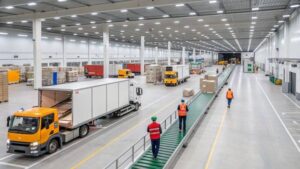
A logistics hub is a central facility in the supply chain where goods are received, sorted, stored, and redistributed to different destinations. It acts as a key connection point between manufacturers, suppliers, warehouses, and customers, ensuring products move smoothly from one stage to another.
Think of it as a “control center” for deliveries. Instead of sending goods directly from one place to another in a scattered way, everything passes through the logistics hub first. Here, shipments are organized based on their destination, combined for efficiency, and then sent out using the fastest and most cost-effective transport method.
6 Types of Logistics Hub
Logistics hubs come in different types depending on their function, location, and role in the supply chain. Each type helps move goods more efficiently from one point to another.
1. Distribution Hub
A distribution hub is used to store goods and send them out to retailers or customers. It focuses on fast order fulfillment and quick delivery.
Best for:
- eCommerce and retail businesses
- Processing large volumes of customer orders
- Speeding up last-mile delivery
2. Transportation Hub
A transportation hub connects different modes of transport such as trucks, ships, trains, and airplanes. It acts as a transfer point where goods are moved from one transport system to another.
Best for:
- Connecting multiple transport networks
- Domestic and international shipping
- Improving cargo movement efficiency
3. Warehousing Hub
A warehousing hub is mainly used for storing goods over a period of time before they are distributed. It helps businesses manage inventory in bulk.
Best for:
- Long-term or bulk storage of goods
- Manufacturers and wholesalers
- Inventory management and stock control
4. E-commerce Fulfillment Hub
An e-commerce fulfillment hub is designed specifically for online orders. It handles picking, packing, and shipping products directly to customers.
Best for:
- Online businesses and marketplaces
- Fast order processing and delivery
- Same-day or next-day shipping services
5. Cross-Docking Hub
A cross-docking hub is where goods are quickly transferred from incoming transport to outgoing transport with little or no storage time.
Best for:
- Fast-moving products
- Reducing storage costs
- Speeding up delivery times
6. Regional Hub
A regional hub serves a specific geographic area and distributes goods within that region. It helps improve local delivery speed and efficiency.
Best for:
- Regional or local deliveries
- Reducing long-distance shipping time
- Improving delivery speed within targeted areas
Why Logistics Hub Important?
Efficient Operations
Goods are organized, processed, and dispatched in a structured way.
Support Business Growth
They help businesses expand by making it easier to manage more orders.
Handles Large Volumes
They support high order demand from eCommerce and global trade.
Faster Deliveries
They help reduce transit time by sorting and sending goods from a central location.
Inside a Logistics Hub: How It Works
1. Receiving Goods
Source: Pinterest
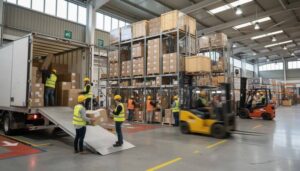
Everything starts when shipments arrive from suppliers or factories. Each item is scanned and recorded in the system so nothing gets lost and everything can be tracked easily.
2. Sorting and Storage
Source: Pinterest
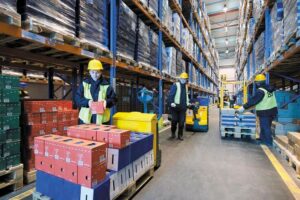
Next, goods are sorted like a well-organized system. Fast-moving items, fragile products, or special goods are placed in different areas, including cold storage or secure zones when needed.
3. Order Preparation
Source: Pinterest
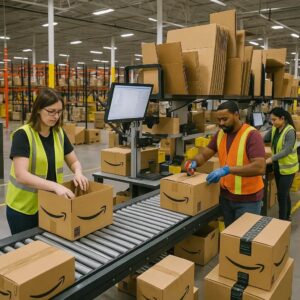
When orders are received, warehouse staff or automated systems pick the correct items from storage. Products are then packed, labeled, and consolidated into shipments.
4. Shipping to Final Destination
Source: Pinterest
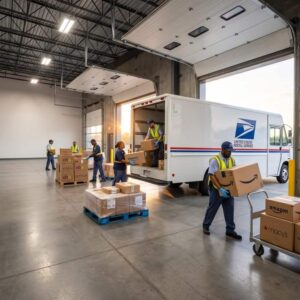
After packing, goods are loaded onto the right transport based on their destination. Whether by truck for local delivery, ship for international trade, or air freight for urgent shipments, everything is planned for maximum efficiency.
5. Tracking and Visibility
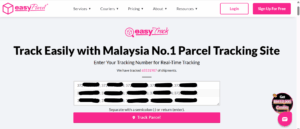
Even after leaving the hub, shipments are continuously tracked using digital systems. This allows businesses and customers to monitor real-time updates, improve delivery accuracy, and reduce uncertainty with tracking tools such as EasyParcel’s EasyTrack.
How to Choose the Right Logistics Hub?
Choose the Right Location
A well-located logistics hub close to customers, suppliers, or major transport routes helps you deliver faster and reduce shipping costs.
Check Transport Connectivity
The hub should have easy access to roads, ports, airports, or rail networks to ensure smooth movement of goods.
Look at Storage Capacity
They require significant investment in storage facilities, transportation, labor, and advanced technology, which makes operating costs very high.
Ensure Security and Safety
Strong security systems help protect your goods from damage, theft, or loss.
Think About Scalability
Choose a hub that can grow with your business, especially during peak seasons or high-demand periods.
4 Common Challenges of Logistics Hub
High Operating Costs
They require significant investment in storage facilities, transportation, labor, and advanced technology, which makes operating costs very high.
Inventory Management Errors
Mistakes in tracking, sorting, or handling stock can lead to missing items, delays, or incorrect deliveries.
Delivery Delays
Delays can happen due to traffic congestion, processing bottlenecks, or transportation disruptions, which affect overall delivery speed.
Labor Management
Managing a large workforce and ensuring consistent productivity can be difficult, especially during peak order periods.
Find the Cheapest Courier in Seconds with EasyParcel
EasyParcel supports logistics operations by helping businesses compare 60+ courier rates instantly, allowing them to choose the most cost-effective and suitable delivery option before shipping.
📦 Check Shipping Rates Instantly
Compare courier prices, delivery services, and shipping options from multiple courier partners all in one place.
Logistics hub is the hidden powerhouse behind every fast and smooth delivery. It’s where goods come in, get organized, and quickly move out again—making sure everything reaches the right place at the right time.
Ready to make your shipping faster and more efficient? With EasyParcel, you can compare courier rates, book deliveries instantly, and manage your shipments with ease—all in one platform.
FAQs
1. What does arrived at logistics hub mean?
“Arrived at logistics hub” means your shipment has reached a central facility where it will be sorted, processed, and prepared for the next stage of delivery. It is currently being handled before moving to the next destination.
2. What is the difference between warehouse and logistics hub?
A warehouse mainly focuses on storing goods for a long period, while a logistics hub focuses on sorting, processing, and quickly distributing goods to their next destination.
3. Where are logistics hubs usually located?
Logistics hubs are usually located near major highways, airports, seaports, or large cities. These locations help speed up transportation and make it easier to distribute goods to different regions quickly.
4. Who uses logistics hubs?
Logistics hubs are used by eCommerce companies, retailers, manufacturers, and logistics providers. They rely on hubs to manage inventory, process orders, and deliver products efficiently to customers or businesses.