Singapore
 Thailand
 Indonesia
Cold chain logistics plays an important role in industries that rely on strict temperature control. Think about it—fresh food, vaccines, frozen goods, and even some medicines all need to stay at the perfect temperature from start to finish. That’s where cold chain logistics steps in like a behind-the-scenes superhero.
In this blog, you’ll discover everything you need to know about cold chain logistics.
Contents
What Is Cold Chain Logistics?
Source: Pinterest
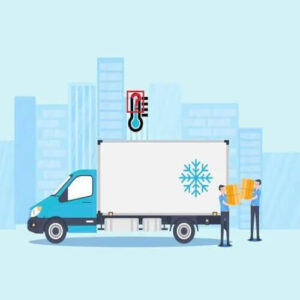
Cold chain logistics is a temperature-controlled supply chain management system designed to store, handle, and transport perishable or temperature-sensitive products. It involves carefully managing products such as fresh food, pharmaceuticals, vaccines, and certain chemicals under specific temperature conditions.
Why is this so important? It helps to maintain their quality, safety, and effectiveness throughout the entire distribution process.
There are two main types of cold chain logistics:
- Chilled Storage – Maintains products at cool temperatures, typically between 0°C and 8°C, to keep items cool and fresh.
- Frozen Storage – Keeps products at temperatures below -18°C to ensure frozen goods stay icy cold.
Which Industries Need Cold Chain Logistics?
Cold chain logistics is essential for industries that handle temperature-sensitive products and require strict temperature control throughout storage and transportation. Some of the key industries that rely on cold chain logistics include:
- Food & Beverage – Fresh produce, dairy products, frozen foods, seafood, meat, and beverages require temperature-controlled storage and transportation to maintain freshness and food safety.
- Healthcare & Pharmaceuticals – Vaccines, medicines, biological samples, and other medical products require strict temperature control to ensure their safety, effectiveness, and compliance with regulations.
- Chemicals & Cosmetics – Certain chemicals, skincare products, cosmetics, and specialty ingredients are sensitive to temperature changes and require controlled environments to maintain product quality.
- Agriculture & Horticulture – Fresh fruits, vegetables, cut flowers, and certain seeds require controlled temperatures and humidity levels to preserve freshness and prevent spoilage.
- Biotechnology – Biological materials, laboratory samples, research specimens, and biotech products often require precise temperature management to maintain their stability, integrity, and effectiveness throughout the supply chain.
These industries depend on cold chain logistics to maintain product quality, ensure safety, comply with regulations, and reduce the risk of spoilage or damage.
Why Cold Chain Logistics Matters More Than You Think?
Maintains Product Quality
It ensures that products such as food, pharmaceuticals, and vaccines are stored and transported under the right temperature conditions, helping to preserve freshness, safety, and effectiveness.
Ensures Safety and Compliance
It helps businesses meet strict regulatory standards, especially in industries like food and healthcare, where safety and quality compliance are essential.
Reduces Product Spoilage and Waste
By controlling temperature at every stage, cold chain logistics minimizes the risk of spoilage, contamination, and product damage, reducing overall waste and financial loss.
Improves Customer Satisfaction
Delivering products in optimal condition builds trust and ensures customers receive safe, high-quality goods, enhancing brand reputation.
How the Cold Chain Logistics Works?
1. Packaging Locking in the Cold
Source: Pinterest
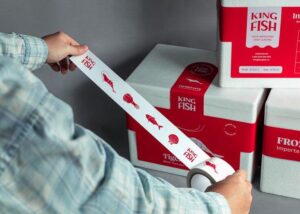
Cold chain logistics starts with proper packaging—and this step is super important! It helps protect temperature-sensitive products right from the beginning. Items are packed using insulated containers, thermal boxes, gel packs, dry ice, or vacuum-sealed materials depending on the product type. This step helps maintain the required temperature and prevents exposure to external heat during handling and transit.
2. Storage Keeping It Fresh
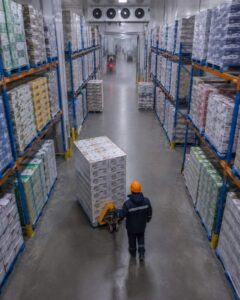
Source: Pinterest
After packaging, products are stored in temperature-controlled environments such as refrigerated warehouses, cold rooms, or deep-freeze facilities. Each product is kept at its required temperature range (chilled or frozen) to preserve freshness, safety, and quality before distribution begins.
3. Transport The Cold Journey
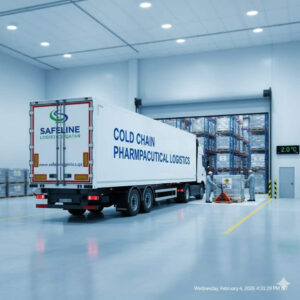
Source: Pinterest
Products are then transported using specialized cold chain vehicles such as refrigerated trucks or reefer containers. These vehicles are equipped with cooling systems that maintain stable temperatures throughout the journey, even over long distances and varying weather conditions.
4. Monitoring Keeping Everything on Track

Source: Pinterest
Throughout the entire process, temperature is continuously monitored using digital sensors, tracking, and IoT-based systems. These technologies allow real-time tracking of temperature conditions, enabling quick action if any fluctuation occurs to prevent product damage or spoilage.
Cold Chain Logistics vs Traditional Logistics: Key Differences
Cold chain logistics and traditional logistics serve different roles in supply chain operations. The table below highlights the key differences between the two:
| Aspect | Cold Chain Logistics | Traditional Logistics |
| Temperature Control | Requires strict temperature control throughout the supply chain | No temperature control needed |
| Types of Goods | Perishable goods like food, medicine, and chemicals | Non-perishable goods like clothing, electronics, and furniture |
| Transportation | Uses refrigerated trucks, containers, and cold storage systems | Uses standard trucks and containers |
| Cost | More higher due to specialized equipment and monitoring | More lower operational cost |
4 Common Challenges in Cold Chain Logistics Operations
Temperature Control Failures
Maintaining consistent temperature is difficult, and even small fluctuations can damage sensitive products.
Transportation Delays
Delays in transit can expose goods to unsafe conditions, increasing the risk of spoilage or reduced product quality.
High Operational Costs
Cold chain logistics requires specialized vehicles, storage, and equipment, which makes operations more expensive than standard logistics.
Equipment Maintenance Issues
Refrigeration units and cold storage systems require regular maintenance, and any failure can disrupt the entire supply chain.
What's the Future of Cold Chain Logistics?
With growing global demand and rising quality standards, businesses are adopting smarter technologies to ensure products remain safe and effective throughout the journey.
Automation in Cold Chain Operations
Automation will play a bigger role in warehouses and transportation, helping reduce manual handling, improve speed, and minimize human error in temperature-sensitive processes.
AI and Predictive Analytics
Artificial intelligence will help businesses predict demand, optimize delivery routes, and prevent temperature failures by analyzing real-time and historical data.
Real-Time Monitoring with IoT
IoT sensors will become standard in cold chain systems, allowing continuous temperature tracking of goods during storage and transportation to ensure product quality is maintained.
Growth of Cloud-Based Supply Chain Systems
Cloud platforms will enable better visibility across the entire cold chain, allowing businesses to monitor shipments, manage inventory, and respond quickly to disruptions.
Focus on Sustainability
The industry will shift toward eco-friendly refrigeration, energy-efficient transport, and reduced carbon emissions to support global sustainability goals while maintaining product integrity.
Celsius Express: Send Frozen Delivery with EasyParcel’s Coolest Courier Partner

The best part is that sending temperature-sensitive goods has never been easier. With EasyParcel, you can book Celsius Express directly in just a few clicks—no complicated process, no hassle.
Celsius Express is one of EasyParcel’s trusted cold chain courier partners, specially designed for handling frozen and temperature-controlled deliveries. Whether you are shipping frozen food, seafood, or other chilled products, Celsius Express ensures your items stay at the right temperature throughout the journey.
You may click here to learn more and start booking with Celsius Express today.
Have you ever wondered how fresh food, vaccines, or even seafood can travel across countries and still arrive in perfect condition? That’s exactly where cold chain logistics comes in—it keeps everything at the right temperature from start to finish.
Ready to make your cold chain shipping simple and stress-free? Book your City-Chilled or City-Frozen delivery with Celcius Express on EasyParcel today! Sign up FREE with EasyParcel and unlock a RM10 voucher for your first parcel delivery.
FAQs
1. What is the main purpose of the cold chain?
The main purpose of the cold chain is to maintain the quality, safety, and effectiveness of temperature-sensitive products by keeping them within a controlled temperature range during storage and transportation.
2. What are the two types of cold chain logistics?
The two types of cold chain logistics are chilled storage, which is used for products that need to be kept at cool temperatures above freezing, and frozen storage, which is used for products that must be kept at sub-zero temperatures.
3. What are the best packaging practices for sending cold goods?
The best packaging practices include using insulated boxes, thermal packaging, gel packs, dry ice, and vacuum-sealed materials to maintain the required temperature and prevent spoilage during transit.