Singapore
 Thailand
 Indonesia
Integrated logistics is like giving your entire supply chain a single smart brain. Instead of handling transportation, warehousing, inventory, and delivery as separate pieces, everything is connected and works together smoothly.
So what changes?
In this blog, we’ll cover everything you need to know about integrated logistics.
Contents
What Are Integrated Logistics?
Source: Pinterest
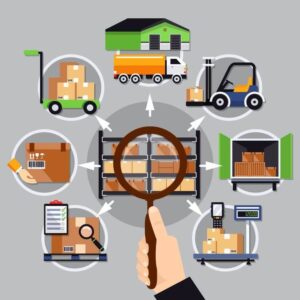
Integrated logistics is a supply chain approach where all key processes such as transportation, warehousing, inventory management, order processing, and delivery are connected and managed as one unified system.
Instead of each function working separately, integrated logistics ensures that every step communicates and works together in real time. This creates a smoother flow of goods, information, and resources across the entire supply chain.
Key Elements of Integrated Logistics
1. Inventory Management
Source: Pinterest
Keep the right products in the right place at the right time. Real-time inventory tracking helps businesses prevent stock shortages and overstocking, improve demand forecasting, reduce storage costs, and ensure products are always available when customers place an order.
2. Transportation Management
Source: Pinterest
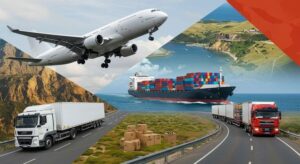
Getting a parcel from the warehouse to the customer’s doorstep isn’t just about finding a courier—it’s about finding the smartest way to deliver it. Delivery routes and carriers are optimized for speed, cost, and efficiency, ensuring faster and more reliable deliveries.
3. Warehousing Operations
Source: Pinterest
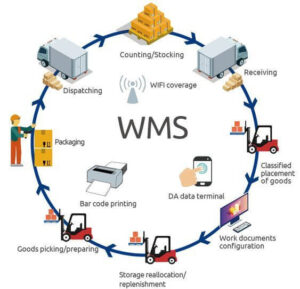
Warehouses are strategically located and managed using systems like Warehouse Management System (WMS) to improve storage, packing, and order fulfillment efficiency.
4. Procurement

Source: Pinterest
Everything starts with sourcing the right products. Procurement aligns supplier relationships with demand forecasts, reduces costs, and ensures timely replenishment using digital procurement platforms.
5. Order Processing

Source: Pinterest
Order processing covers every step from receiving a customer’s order to preparing, shipping, and confirming delivery. Everything works together behind the scenes to reduce manual work, eliminate errors, and deliver orders faster.
6. Reverse Logistics
Source: Pinterest
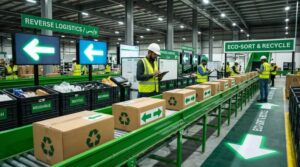
Reverse logistics manages products that move from customers back to the business due to returns, exchanges, repairs, recycling, or disposal.
The Benefits of Integrated Logistics That You Should Know
Faster Operations
Everything is connected, so orders move quickly from one stage to another without delays.
Better Customer Satisfaction
Faster and more reliable deliveries improve the overall customer experience.
Lower Costs
Better planning and fewer mistakes help reduce overall logistics expenses.
Improved Efficiency
All processes work together smoothly without duplication or confusion.
Integrated Logistics vs Traditional Logistics: Key Differences
Logistics has evolved a lot over time, and the biggest shift is the move from traditional methods to integrated systems.
| Feature | Integrated Logistics | Traditional Logistics |
| System Structure | Fully connected supply chain system | Separate and disconnected operations |
| Data Sharing | Real-time data sharing across all stages | Slow and often manual |
| Inventory Control | Live tracking with accurate stock control | Manual updates and higher error risk |
| Decision Making | Decisions are proactive using real-time insights and analytics | Decisions are reactive and based on outdated data |
| Delivery Experience | Faster, more reliable and transparent delivery experience | Delivery times may be inconsistent and less predictable |
The Real Challenges Behind Building the Integrated Logistics System
High Setup Costs
Building an integrated system requires investment in software, automation tools, and infrastructure, which can be expensive for many businesses.
Technical Complexity
Integrated systems need regular maintenance, updates, and IT support to ensure everything runs smoothly.
Data Accuracy Problem
If data is not updated correctly across all systems, it can lead to mistakes in stock levels, orders, and delivery tracking.
System Integration Issues
Connecting different logistics systems is complex because they often use different platforms and technologies.
Dependence on Technology
If the system experiences downtime or technical failures, it can disrupt the entire supply chain because all operations are tightly connected.
Future Trends in Integrated Logistics: What’s Next?
Integrated logistics is evolving quickly as technology reshapes how supply chains operate. The future is focused on making systems faster, smarter, and more automated than ever before.
AI & Predictive Analytics
Artificial intelligence and predictive analytics help businesses forecast demand, reduce delays, and make smarter decisions by analyzing real-time and historical data.
Automation & Robotics
Automation and robotics are transforming warehouses by speeding up tasks like sorting, packing, and inventory management while reducing human error.
loT & Real-Time Tracking
The Internet of Things (IoT) connects shipments, vehicles, and warehouses, allowing businesses to track everything in real time with full visibility across the supply chain.
Cloud-Based Logistics Systems
Cloud technology enables companies to manage logistics operations from anywhere, improving flexibility, collaboration, and data accessibility.
Sustainable Logistics
Sustainability is becoming a priority, with companies focusing on reducing carbon emissions, optimizing routes, and using eco-friendly transportation methods.
Hyper-Fast Delivery Models
Growing customer demand for same-day and next-day delivery is pushing logistics systems to become faster, more efficient, and highly optimized.
Save on Shipping Costs by Comparing 60+ Courier Services with EasyParcel
EasyParcel helps streamline logistics by allowing businesses to instantly compare more than 60 courier rates, making it easier to pick the best and most cost-efficient delivery option before sending parcels.
Rate Checker
Find the cheapest courier service and compare delivery rates across Malaysia in seconds.
Integrated logistics brings all supply chain activities together into one connected system. It improves efficiency by linking inventory, transportation, warehousing, procurement, order processing, and reverse logistics.
Ready to make shipping faster and easier? With EasyParcel, you can compare courier rates, book deliveries, and manage your parcels all in one platform. Sign up for FREE and enjoy a RM10 discount coupon now!
FAQs
1. What is meant by integrated logistics?
Integrated logistics is a system where all supply chain activities like transportation, warehousing, inventory management, order processing, and delivery are connected in one system. This helps businesses manage everything smoothly and efficiently.
2. What are the benefits of integrated logistics?
The benefits of integrated logistics are including faster operations, better customer satisfaction, lower costs, and improved efficiency.
3. What is the difference between traditional and integrated logistics?
Traditional logistics works in separate parts where each process operates on its own. Integrated logistics connects all processes into one system for better coordination, visibility, and efficiency.
4. How does integrated logistics improve efficiency?
It improves efficiency by using real-time data to coordinate all logistics activities. This reduces delays, minimizes errors, and helps businesses make faster and better decisions.