Singapore
 Thailand
 Indonesia
Warehouse Management System (WMS) may sound complex, but it’s actually designed to make warehouse operations much simpler. If you’ve ever wondered how businesses keep track of thousands of products and ship orders quickly, a WMS is often the answer.
So, what is a warehouse management system, and how can it benefit your business? In this guide, you’ll discover everything you need to know about warehouse management system.
Contents
What Is Warehouse Management System?
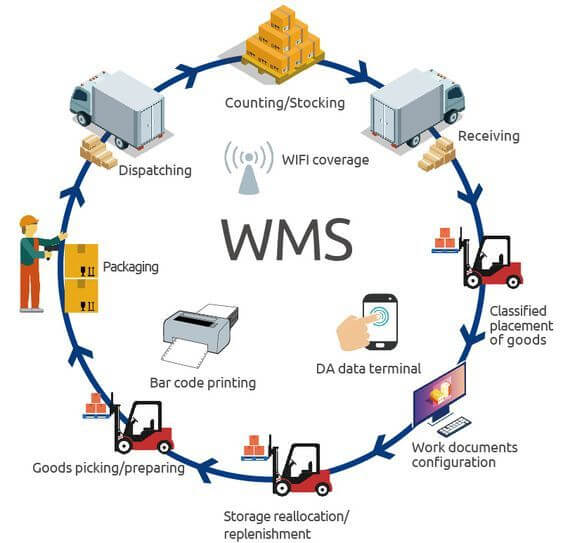
Source: Pinterest
A Warehouse Management System (WMS) is software that helps businesses manage and organize their warehouse operations. Think of it as the “brain” of a warehouse—it keeps track of inventory, monitors stock levels, and helps products move smoothly from receiving to shipping.
Instead of relying on spreadsheets or manual processes, a WMS gives businesses real-time visibility into their inventory and warehouse activities. This makes it easier to find products, fulfill orders accurately, reduce errors, and improve overall efficiency.
4 Main Types of Warehouse Management System
1. Integrated WMS
An integrated WMS is part of a larger ERP system. It connects warehouse work with other business areas like accounting, finance, sales, and customer management.
This means everything is linked in one system, making work smoother and more organized. Businesses can see the full picture of their operations in one place.
Best for:
- Large enterprises with multiple departments
- Businesses that want everything (warehouse, finance, sales) in one system
- Companies needing full visibility across operations
2. Standalone WMS
A standalone WMS focuses only on warehouse tasks such as stock tracking, order picking, and inventory updates. It works independently and does not include other business functions.
It is simple, easy to use, and usually more affordable, making it great for small businesses or startups.
Best for:
- Small e-commerce stores
- Startups managing limited stock
- Businesses that want simple warehouse control
3. Cloud-Based WMS
A cloud-based WMS works online, so you can access it anytime and anywhere. It is usually subscription-based, and the provider handles updates, security, and maintenance.
It is flexible, easy to scale, and perfect for growing businesses.
Best for:
- E-commerce businesses
- Multi-warehouse operations
- Fast-growing companies
4. Supply Chain Module WMS
This type of WMS is part of a bigger supply chain system. It connects warehouse operations with sourcing, suppliers, transportation, and delivery.
It helps businesses manage the entire flow of goods from suppliers to customers in one system.
Best for:
- Large enterprises
- 3PL logistics companies
- Businesses with complex supply chains
What Are the Features of Warehouse Management System?
Inventory Management
It helps you track all stock in real time so you always know what you have and where it is.
Barcode & QR Code Scanning
Just scan and go! This makes receiving, picking, and packing products much faster and more accurate.
Order Management
Helps you handle customer orders smoothly from start to finish — no missing or wrong shipments.
Warehouse Location Tracking
Every product has its “home” in the warehouse, so you can find items quickly without searching everywhere.
Reports & Insights
Shows easy-to-understand reports about sales, stock, and warehouse performance so you can make better decisions.
Multi-Warehouse Control
If you have more than one warehouse, you can manage all of them in one system.
Low Stock Alerts
The system reminds you when stock is running low so you never run out of important products.
Returns Management
It manages returned items by checking their condition and updating inventory automatically.
Why Warehouse Management System Very Important?
Faster Order Fulfillment
It speeds up picking, packing, and shipping so customers get their orders sooner.
Fewer Mistakes
Barcode scanning and system tracking reduce human errors in orders and inventory.
Better Visibility & Control
You can see what’s happening in your warehouse anytime, from stock levels to order status.
Improved Customer Satisfaction
Faster and more accurate deliveries help keep customers happy and loyal.
Easy Business Growth
It supports business growth by managing larger orders and inventory easily.
How to Choose the Right Warehouse Management System?
Identify Your Business Needs
Choose a WMS that matches your business size, inventory volume, and operational requirements.
Look for Essential Features
Ensure the system includes key features such as inventory tracking, barcode scanning, order management, and reporting.
Compare Pricing and Value
Consider the total cost of the system, including setup, maintenance, and future upgrades, instead of focusing only on the purchase price.
Choose a Scalable Solution
Pick a system that can support your business as it grows in orders, products, and warehouse locations.
4 Common Challenges of Implementing an Warehouse Management System
High Implementation Costs
Purchasing, setting up, and customizing a WMS can require a significant upfront investment, especially for small businesses.
Customization Limitations
Some WMS solutions may not offer enough flexibility to meet specific business or industry requirements.
System Integration Challenges
Integrating the WMS can be time-consuming and complex.
Employee Resistance to Change
Some employees may be hesitant to adopt new technology, slowing down the implementation process.
What Does the Future Hold for Warehouse Management System?
As technology continues to evolve, Warehouse Management Systems are becoming smarter, faster, and more connected.
Increased Automation
Future warehouses will rely heavily on robotics, conveyor systems, and automated picking technologies to reduce manual tasks and speed up order fulfillment. This will also help minimize human errors and improve overall productivity.
AI-Driven Optimization
Artificial intelligence will be used to analyze large amounts of warehouse data, helping businesses forecast demand, optimize stock levels, and improve picking routes for faster operations. AI will also support smarter decision-making in real time.
Cloud-Based Expansion
Cloud-based WMS solutions will continue to grow as they offer better scalability, lower upfront costs, and remote access from anywhere. This allows businesses to manage multiple warehouses more efficiently in real time.
Real-Time Tracking Technology
Technologies like IoT sensors and RFID tagging will provide live updates on inventory movement, stock levels, and shipment status. This improves accuracy and helps reduce issues like stockouts or overstocking.
Data-Driven Decision Making
Advanced analytics tools will give businesses deeper insights into warehouse performance, such as order accuracy, fulfillment speed, and storage efficiency. These insights will help companies continuously improve operations and reduce costs.
Let’s Build Automation: EasyParcel API Integration Guide
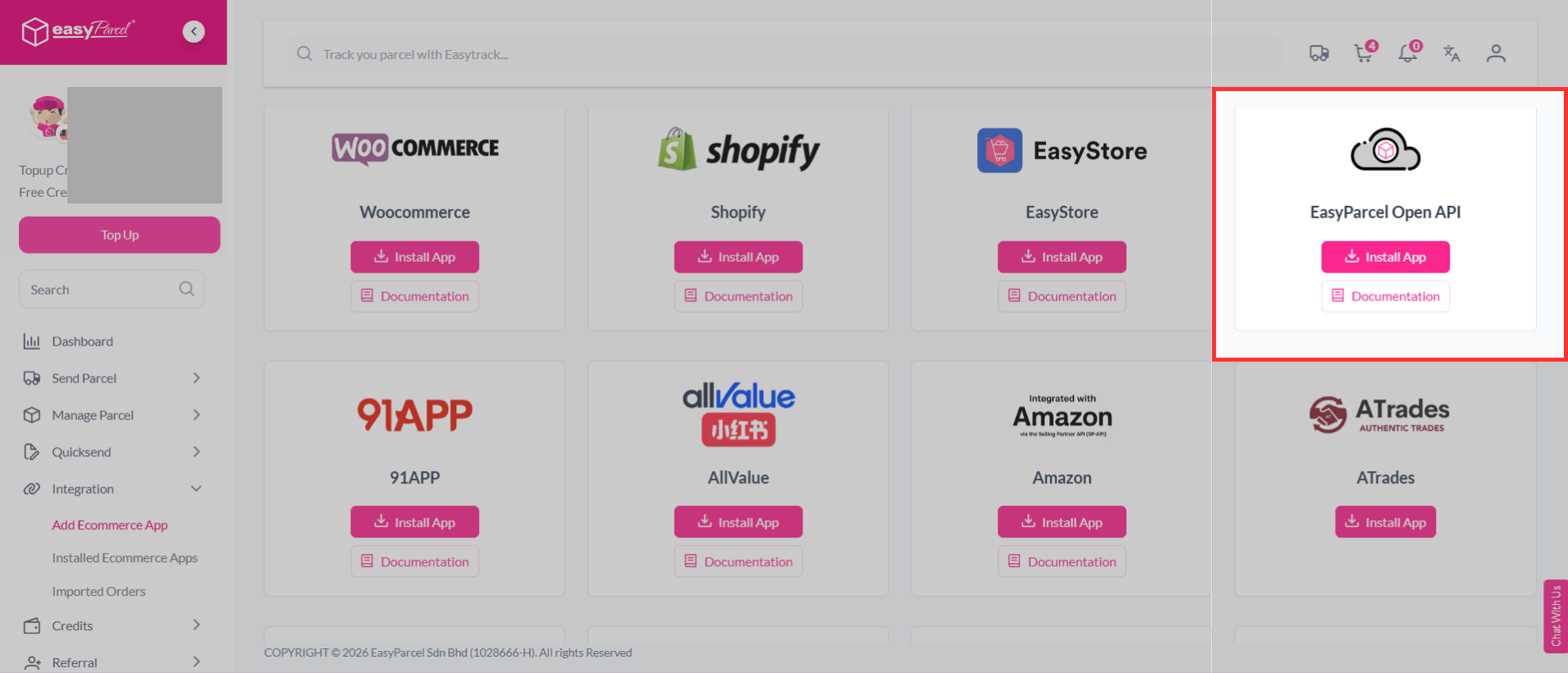
Looking for a faster, more efficient way to manage your shipping? Click here to learn how to integrate the EasyParcel API and unlock a smarter way to handle shipping. From comparing courier rates to creating shipments, tracking parcels, and generating shipping labels instantly.
Warehouse Management System (WMS) makes warehouse work simple and stress-free. As your business grows, it keeps everything organized even when orders get busy. No more confusion, no more lost stock — just smooth operations.
Ready to make your shipping faster and easier? Try EasyParcel today to compare 60+ courier services, book deliveries in seconds, and track all your parcels in one place — simple, fast, and hassle-free.
FAQs
1. What are the four types of warehouse management system?
The four main types are Standalone WMS, Cloud-Based WMS, Integrated WMS (ERP-based), and Supply Chain Module WMS, each designed for different business sizes and needs.
2. Is a warehouse management system the same as an inventory system?
No, WMS manages the entire warehouse process, including receiving, storage, picking, packing, and shipping, while an inventory system only tracks stock levels.
3. Who needs a warehouse management system?
Any business that stores and ships products such as e-commerce stores, retailers, manufacturers, and logistics companies can benefit from a WMS.