Singapore
 Thailand
 Indonesia
Ever wondered what really happens after you click “place order”? That journey is called outbound logistics. The product doesn’t just magically appear at your doorstep—it goes through a carefully managed journey behind the scenes.
In this blog, we’ll explore how outbound logistics works and how each step plays a key role in creating a smooth and reliable customer experience. Let’s dive in!
Contents
What Is Outbound Logistics?
Outbound logistics refers to the process of moving finished goods from a business to the final customer. It includes activities such as order processing, warehousing, packing, transportation, and final delivery.
In simple terms, it is everything involved in making sure products reach customers safely, on time, and in good condition. It plays a key role in ensuring customer satisfaction and smooth supply chain operations.
Why Outbound Logistics Matters More Than You Think?
Improves Customer Satisfaction
Efficient outbound logistics ensures products are delivered on time and in good condition, helping build trust and improve customer experience.
Boosts Delivery Speed
Well-managed outbound logistics reduces delays in order processing, packing, and transportation, resulting in faster delivery times.
Supports Business Growth
As order volumes increase, efficient outbound logistics ensures businesses can scale operations smoothly without affecting service quality.
Enhances Business Efficiency
Smooth outbound logistics operations reduce errors, improve order accuracy, and ensure better coordination between warehouse and delivery teams.
Outbound Logistics Process: Step by Step
1. Order Processing
Source: Pinterest
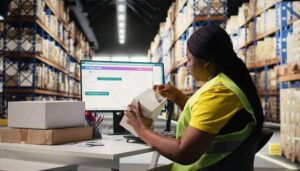
This is the starting point where customer orders are received through online platforms or sales channels. The order details are verified, checked for availability, and entered into the system for fulfillment. Proper processing ensures there are no errors before moving to the next stage.
2. Warehousing
Source: Pinterest
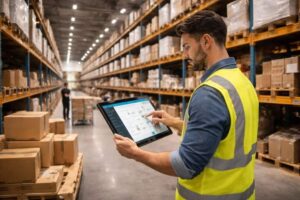
Once the order is confirmed, products are picked from storage areas in the warehouse. Items are organized using proper inventory systems to ensure fast retrieval. Good warehousing management can helps reduce delays and improves overall efficiency.
3. Packing
Source: Pinterest
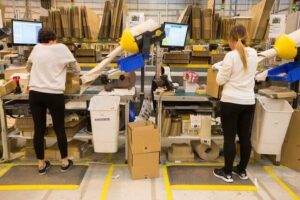
In this stage, products are securely packed based on their type and fragility. Suitable packaging materials such as boxes, bubble wrap, or protective layers are used to prevent damage during transit. Proper labeling is also added for easy identification and delivery accuracy.
4. Transportation
Source: Pinterest
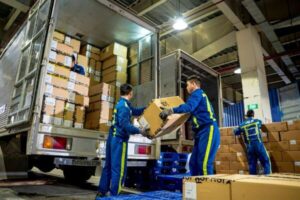
After packing, goods are handed over to courier or transport services. The shipment is moved using optimized delivery routes to reduce fuel usage, cost, and delivery time. Efficient transportation plays a key role in improving logistics performance.
5. Final Delivery

Source: Pinterest
This is the last and most important step where the product is delivered directly to the customer’s address. Real-time tracking and updates are often provided to ensure transparency. A successful final delivery improves customer satisfaction and trust in the business.
Outbound Logistics vs Inbound Logistics: What’s the Difference?
Outbound and inbound logistics are two important parts of supply chain management, but they serve different purposes.
| Feature | Outbound Logistics | Inbound Logistics |
| Direction of Flow | Movement of finished goods from business to customers | Movement of raw materials from suppliers to business |
| Primary Objective | Ensure timely and accurate delivery of products to customers | Ensure continuous and efficient supply of materials for production |
| Core Activities | Order fulfillment, warehousing of finished goods, packaging, transportation, and distribution | Supplier coordination, procurement, receiving goods, inventory storage, and material handling |
| Primary Stakeholders | Wholesalers, distributors, and end consumers | Suppliers, vendors, and freight carriers |
How to Improve Outbound Logistics Efficiency?
Choose the Right Courier Partners
Selecting reliable courier services ensures faster deliveries, fewer delays, and better service quality for customers. EasyParcel helps you compare 60+ couriers instantly for the best option.
Improve Warehouse Organization
A well-organized warehouse speeds up picking and packing processes, reducing order processing time and errors.
Use Automation Systems
Automating order processing, inventory updates, and shipping tasks improves accuracy and saves time in logistics operations using systems such as Warehouse Management System (WMS).
Implement Real-Time Tracking
Tracking systems like EasyPrcel's EasyTrack allow businesses and customers to monitor shipments, improving transparency and reducing delivery issues.
Analyze Performance Data
Monitoring delivery times, costs, and error rates helps businesses identify weak points and continuously improve logistics operations.
5 Common Challenges in Outbound Logistics Operations
Delivery Delays
Unexpected issues such as traffic congestion, poor route planning, or courier delays can slow down deliveries and affect customer satisfaction.
Poor Inventory Management
Inaccurate stock levels or poor coordination between warehouse and delivery systems can lead to order delays or stockouts.
Inefficient Route Planning
Poorly optimized delivery routes increase travel time, fuel consumption, and operational costs, reducing overall logistics efficiency.
High Transportation Costs
Fuel prices, shipping fees, and last-mile delivery expenses can significantly increase overall logistics costs, making it difficult for businesses to maintain profitability.
Limited Technology Integration
Many businesses still rely on manual systems, which reduces visibility, slows down processes, and increases the risk of human error in outbound logistics operations.
Make Your Logistics Journey Smooth with EasyParcel
Make your logistics journey smooth. With EasyParcel, you can compare 60+ courier services in one platform, helping you choose the most efficient and cost-effective delivery option for your business.
Rate Checker
Find the cheapest courier service and compare delivery rates across Malaysia in seconds.
Outbound logistics plays an important role in ensuring products reach customers in the right condition, and at the right time. From order processing to final delivery, every step must work smoothly to ensure consistency and reliability.
Ready to make your shipping process more efficient? With EasyParcel, you can compare courier rates, manage shipments in one platform, and choose the best delivery options for your business needs. Sign up for FREE and enjoy a RM10 discount coupon to start your first delivery with EasyParcel!
FAQs
1. What is the difference between inbound and outbound logistics?
Inbound logistics focuses on receiving raw materials or goods into a business, while outbound logistics focuses on delivering finished products to customers.
2. What are the main steps in outbound logistics?
The main steps are order processing, warehousing, packing, transportation, and final delivery to the customer.
3. How does outbound logistics affect supply chain management?
It plays a key role in completing the supply chain by ensuring products reach the final customer.