Singapore
 Thailand
 Indonesia
Global trade moves fast—and so do customer expectations. If you’re importing goods, every delay, every upfront tax payment, and every storage decision can affect your profit margin. That’s where a bonded warehouse comes in.
Instead of paying import duties the moment your goods arrive, it lets you store them safely under customs control. You only pay taxes when the goods are actually released into the market.
In this blog, we’ll break down all about bonded warehouse in simple and easy understand way. Let’s dive in!
Contents
What Is Bonded Warehouse?
A bonded warehouse is a secure storage facility where imported goods are kept under customs supervision before import duties and taxes are paid. Businesses can store goods in a bonded warehouse and only pay the required duties when the products are released for local sale or distribution.
In simple terms, it allows companies to delay tax payments, store goods legally, and manage imports more efficiently while goods remain under customs control.
2 Types of Bonded Warehouse
Not all bonded warehouses operate in the same way. Depending on your business needs and the type of goods you handle, there are different types of bonded warehouses designed for storage, manufacturing, or customs-controlled operations. Here are the most common types:
1. Public Bonded Warehouse
A public bonded warehouse is operated by a third-party provider and is available for multiple businesses to store imported goods under customs supervision. It is a cost-effective option for importers that do not require dedicated storage facilities.
2. Private Bonded Warehouse
A private bonded warehouse is owned or leased by a specific company to store its own imported goods. It offers greater control over inventory and operations, making it ideal for businesses with high import volumes.
What Are the Benefits of Bonded Warehouse?
Improved Cash Flow
By delaying tax and duty payments, companies can use their working capital more efficiently. This improves liquidity and supports better financial planning for business growth.
Deferred Payment of Import Duties
Businesses can store imported goods without immediately paying customs duties and taxes. Payment is only required when goods are released into the local market, helping reduce upfront costs.
Supports International Trade
It makes it easier to import, store, and re-export goods without unnecessary tax burdens. This is especially useful for global trading and distribution businesses.
Flexible Distribution Options
Businesses can decide whether to sell goods locally or re-export them to other countries. This flexibility helps optimize supply chain strategies and market expansion.
How Bonded Warehouse Works?
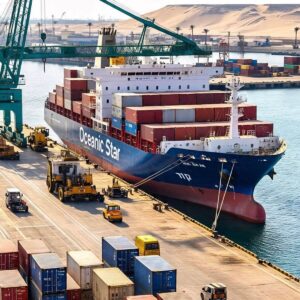
1. Goods Arrive at Port or Entry Point
Source: Pinterest
When imported goods arrive at the port, airport, or border entry point, they are transported directly to a licensed bonded warehouse. At this stage, the goods officially fall under customs control, meaning they are monitored by customs authorities from entry onwards.
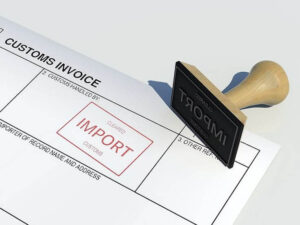
2. Customs Declaration and Verification
Source: Pinterest
Before storage is approved, the importer must submit key documents such as commercial invoices, packing lists, and import declarations. Customs officers review these documents to verify the shipment details, value, and compliance with import regulations. Only after approval can the goods be moved into bonded storage.
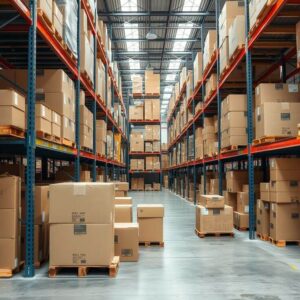
3. Goods Are Stored in a Bonded Warehouse
Source: Pinterest
Once cleared for bonded storage, the goods are placed inside a secure warehouse facility. These warehouses are regulated by customs authorities and equipped with strict access control, surveillance, and inventory systems. During this period, import duties and taxes are not yet paid, giving businesses financial flexibility while goods remain safely stored.
4. Import Duties, Release, and Final Distribution

Source: Pinterest
Import duties are only paid when goods are released from a bonded warehouse for local sale. If the goods are re-exported, duties may not apply. Once cleared, products are distributed locally or shipped overseas, with logistics partners handling final delivery to customers.
Bonded Warehouse vs Non-Bonded Warehouse: What the Difference?
Although both are used to store goods, a bonded warehouse and a non-bonded warehouse serve different purposes. Here’s a quick comparison to help you understand which option is best for your business:
| Feature | Bonded Warehouse | Non-Bonded Warehouse |
| Purpose | Ideal for imported goods awaiting sale, distribution, or re-export | Used for goods that have already completed customs clearance |
| Customs Control | Operates under customs supervision | Not supervised by customs after goods are cleared |
| Import Duties & Taxes | Payment is deferred until goods are released into the local market | Duties and taxes must be paid before goods are stored |
| Cash Flow Impact | Improves cash flow by delaying duty and tax payments | Requires immediate payment of duties, increasing upfront costs |
| Storage Period | Goods may be stored for an approved period under customs regulations | Storage duration depends on the warehouse operator without customs restrictions |
5 Tips for Choosing the Right Bonded Warehouse
Consider the Warehouse Location
Select a warehouse close to major ports, airports, or transportation hubs. A strategic location helps shorten delivery times, reduce transportation costs, and improve supply chain efficiency.
Verify Customs Approval and Licensing
Choose a bonded warehouse that is fully licensed and approved by the relevant customs authority. This ensures your goods are stored legally and comply with import and export regulations, reducing the risk of delays or penalties.
Evaluate Security Measures
Look for facilities with advanced security features such as 24/7 CCTV surveillance, controlled access, alarm systems, and trained security personnel.
Check Storage Capacity and Facilities
Ensure the warehouse has enough space and suitable storage conditions for your products. Businesses dealing with oversized goods should confirm that specialized storage options are available.
Compare Costs and Service Flexibility
Look beyond storage fees and compare the overall value offered, including customs handling, inventory management, and value-added services.
Common Challenges in Bonded Warehouse
Storage Time Limitations
Exceeding the allowed duration may result in penalties or require goods to be cleared or re-exported.
Storage and Handling Costs
While import duties are deferred, businesses still need to pay warehouse storage, handling, and administrative fees.
Complex Customs Regulations
Bonded warehouse must comply with strict customs rules and reporting requirements.
Scalability During Peak Seasons
Any changes in customs laws, import regulations, or trade policies can impact warehouse operations.
Limited Access to Stored Goods
Because goods are under customs supervision, businesses cannot freely remove or use them without following the required customs procedures.
Imported stock can be stored in a bonded warehouse before being released for sale. Once orders come in and the goods are released from the bonded warehouse, the next step is delivery to your customers. With EasyParcel, you can simplify the delivery process.
From Bonded Warehouse to Doorstep: Simplify Delivery with EasyParcel
Get Instant Quotes
Send More Parcels at Once
Save time, save cost with less click!
Integrations
Sync all your store orders and experience seamless booking experience in one click
Explore NowWith EasyParcel, you can ship locally or internationally without delays. You can compare rates from 60+ courier services and send parcels to 220+ destinations worldwide, making your delivery process faster, more convenient, and more cost-effective.
Whether it’s a single parcel or multiple orders, EasyParcel helps simplify your shipping process and ensures your packages are delivered quickly and safely to your customers.
A bonded warehouse is more than just a storage facility—it’s a smart way for businesses to manage imports with greater flexibility and lower upfront costs. By allowing goods to be stored under customs control without immediate duty payment, it helps improve cash flow, streamline operations, and support smoother international trade.
Want smoother fulfillment from storage to delivery? EasyParcel makes it simple to compare, book, and manage your deliveries with trusted courier partners. Sign up for FREE and enjoy a RM10 discount coupon now!
FAQs
1. What does it mean if a warehouse is bonded?
A bonded warehouse means the facility is approved by customs authorities to store imported goods without immediately paying import duties and taxes. The goods remain under customs control until they are released for local sale, distribution, or re-export.
2. What is the difference between a bonded and non-bonded warehouse?
A bonded warehouse stores imported goods under customs supervision, and duties are paid later when goods enter the local market. A non-bonded warehouse stores goods that have already cleared customs, meaning all import duties and taxes are paid upfront before storage.
3. How long can a shipment stay in a bonded warehouse?
The storage duration depends on the country’s customs regulations. In most cases, goods can be stored for a limited approved period under customs control, and extensions may be allowed depending on customs approval and the type of goods.
4. What is the main purpose of a bonded warehouse?
The main purpose of a bonded warehouse is to allow businesses to store imported goods while deferring import duties and taxes. It helps improve cash flow, supports international trade, and gives flexibility to distribute goods locally or re-export them.