Singapore
 Thailand
 Indonesia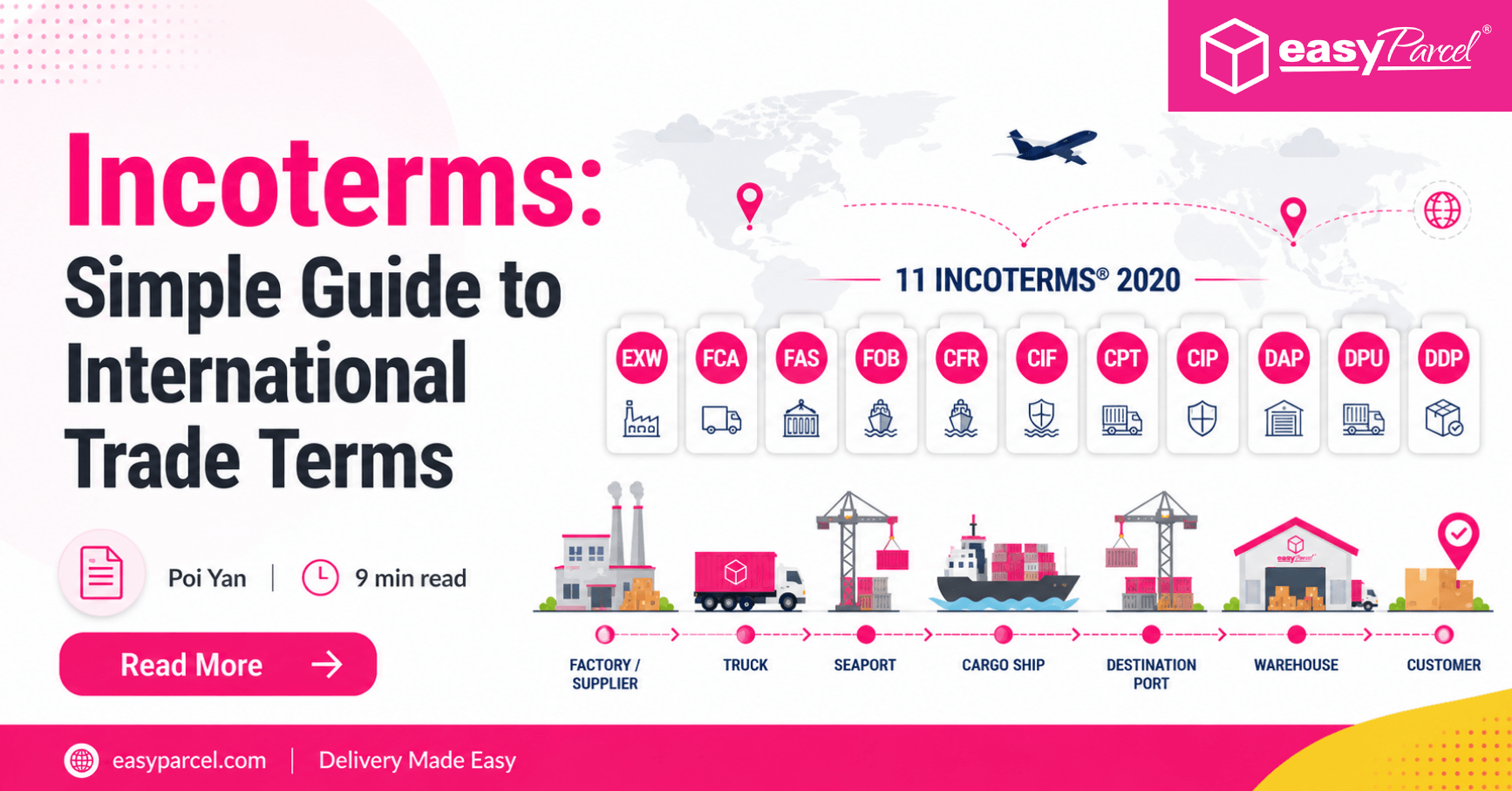
Contents
What Are Incoterms?
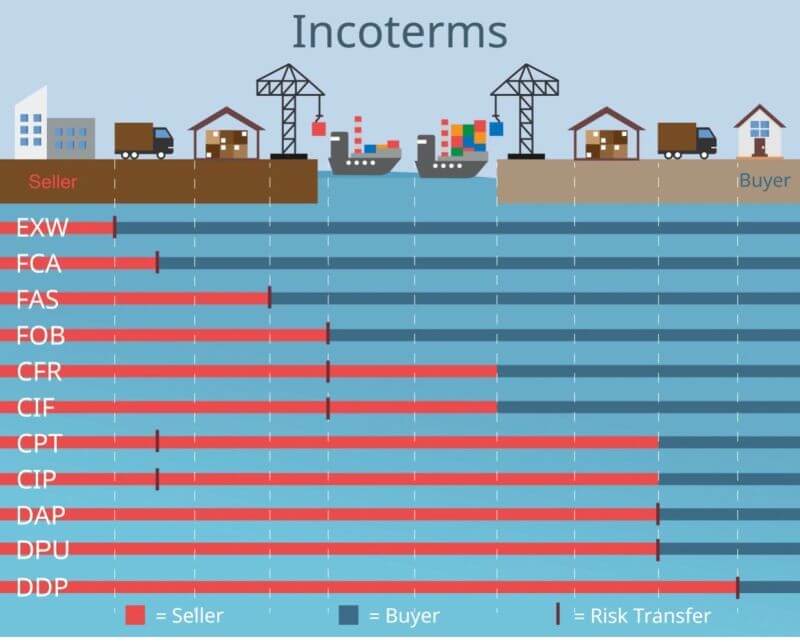
Source: Pinterest
Incoterms (International Commercial Terms) are 11 globally recognized trade rules published by the International Chamber of Commerce (ICC) that act like a “rulebook” for international shipping. They clearly define who is responsible for what in a trade deal—whether it’s paying for transport, handling customs clearance, arranging insurance, or taking on risk if something goes wrong during shipping.
To keep things simple, Incoterms are grouped into two main categories: rules for any mode of transport and rules used only for sea and inland waterway transport.
Why Incoterms Matter in International Shipping?
Supports Smoother Customs Clearance
Proper Incoterms help avoid delays by clearly stating who is responsible for export and import processes.
Improves Global Trade Efficiency
Standard rules make international transactions faster and easier across different countries.
Reduces Misunderstandings and Disputes
With clear rules set in advance, both parties know their obligations, avoiding costly conflicts later.
Clear Responsibilities Between Buyer and Seller
Incoterms define exactly who handles shipping, insurance, customs, and delivery at each stage of the transaction.
The 7 Incoterms for Any Mode of Transport
Source: Pinterest
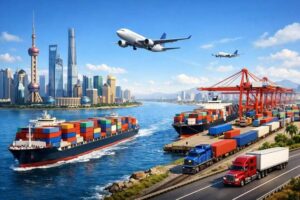
These Incoterms are used for shipments transported by any mode of transport, including air, road, rail, and multimodal transport. They are not limited to sea or inland waterway transport, making them more flexible for modern global trade operations.
1. EXW (Ex Works)
The seller only makes the goods available at their premises (factory, warehouse, or office). From that point, the buyer takes full responsibility for loading, export clearance, shipping, insurance, import clearance, and final delivery.
Benefits:
- Minimal responsibility for the seller
- Simple and low-risk for exporters
- Clear cost control at origin
Best for:
- Experienced importers with strong logistics teams
- Buyers who want full control over shipping
- Companies with established freight forwarders
2. FCA (Free Carrier)
The seller delivers goods to a carrier or another nominated place (such as a freight forwarder, terminal, or warehouse) and is responsible for export clearance. Once goods are handed over, risk transfers to the buyer.
Benefits:
- Flexible and widely used in global trade
- Seller handles export clearance
- Suitable for modern transport systems
Best for:
- Air, road, and container shipping
- Businesses using freight forwarders
- E-commerce exporters
3. CPT (Carriage Paid To)
The seller pays for transportation to a specified destination, but risk transfers to the buyer as soon as goods are handed over to the first carrier (not at destination).
Benefits:
- Seller covers freight cost
- Simplifies logistics for buyer
- Works for all transport modes
Best for:
- Businesses wanting predictable shipping costs
- Exporters managing logistics centrally
- Buyers comfortable with early risk transfer
4. CIP (Carriage and Insurance Paid To)
This is similar to CPT, but the seller also provides insurance coverage for the goods during transit. The insurance must meet minimum ICC (Institute Cargo Clauses) standards.
Benefits:
- Includes insurance coverage
- Reduces buyer risk
- Ideal for high-value goods
Best for:
- Electronics and machinery exports
- High-value international shipments
- Buyers needing added protection
5. DAP (Delivered at Place)
The seller is responsible for delivering goods to a named destination (warehouse, factory, or buyer’s location). However, the buyer handles import duties, taxes, and customs clearance.
Benefits:
- Door-to-door delivery convenience
- Seller manages transport
- Buyer avoids logistics complexity
Best for:
- E-commerce shipments
- International B2B deliveries
- Buyers who manage customs themselves
6. DPU (Delivered at Place Unloaded)
The seller delivers goods to the destination and is also responsible for unloading them from the transport vehicle. Risk remains with the seller until unloading is complete.
Benefits:
- Includes unloading responsibility
- Reduces buyer workload
- Suitable for heavy cargo
Best for:
- Construction and industrial goods
- Bulk shipments
- Projects requiring on-site delivery
7. DDP (Delivered Duty Paid)
The seller takes maximum responsibility, covering everything: transport, export, import clearance, duties, taxes, and final delivery to the buyer’s location.
Benefits:
- Maximum convenience for buyer
- Full cost transparency
- End-to-end shipping solution
Best for:
- Online retail businesses
- Cross-border e-commerce
- Buyers wanting zero logistics handling
The 4 Incoterms for Sea & Inland Waterway Transport
Source: Pinterest
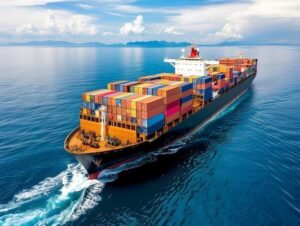
These Incoterms are used only for shipments transported by sea, ocean freight, or inland waterways. They are not suitable for air, road, or rail transport.
1. FAS (Free Alongside Ship)
The seller delivers goods alongside the vessel at the named port of shipment. From that point, the buyer takes responsibility for loading, sea freight, insurance, and all further transport.
Benefits:
- Low responsibility for the seller after delivery at port
- Clear handover point at shipping dock
- Suitable for bulk and raw material exports
Best for:
- Bulk cargo such as coal, grain, or oil
- Experienced importers managing sea freight
- Port-to-port shipments
2. FOB (Free On Board)
The seller is responsible for delivering goods on board the vessel at the port of shipment, including export clearance. Once goods are loaded, risk transfers to the buyer.
Benefits:
- Very common in global sea freight trade
- Clear risk transfer once goods are on board
- Seller handles export procedures
Best for:
- Container and bulk ocean shipments
- Buyers with strong shipping and freight control
- International trade between established partners
3. CFR (Cost and Freight)
The seller pays for transport and freight costs to the destination port. However, risk transfers once goods are loaded onto the vessel at the origin port.
Benefits:
- Seller manages ocean freight cost
- Simplifies pricing for buyer
- Common in bulk international trade
Best for:
- Sea freight bulk shipments
- Buyers who want simplified freight pricing
- Long-distance ocean trade
4. CIF (Cost, Insurance and Freight)
The seller pays for freight and insurance up to the destination port, but risk still transfers once goods are loaded onto the vessel at the origin.
Benefits:
- Includes insurance coverage for buyer
- Seller manages shipping and freight costs
- Reduces buyer’s administrative burden
Best for:
- High-value sea shipments
- Importers who prefer less logistics management
- International ocean freight trade
What Do Incoterms Not Cover?
As noted above, Incoterms are generally included in the contract of sale; however, they do not:
- Cover all conditions of a sales agreement, as many terms must be negotiated separately between buyer and seller
- Identify the specific goods being sold or define the contract price
- Determine the method or timing of payment between the buyer and seller
- Specify when ownership or title of the goods transfers from seller to buyer
- Define which documents must be provided by the seller for customs clearance in the buyer’s country
- Address liability for non-conforming goods, delayed delivery, or contract disputes and resolution mechanisms
5 Common Mistakes When Using Incoterms
Using the Wrong Incoterm for the Transport Mode
Some terms are only for sea freight (like FOB, CIF), but businesses wrongly use them for air or courier shipments.
Not Updating to Incoterms 2020
Using outdated versions like Incoterms 2010 means missing updated rules on insurance, security, and delivery obligations.
Not Considering Customs and Import Duties
Many assume Incoterms include customs clearance, but responsibilities vary depending on the chosen term.
Confusing Transfer of Risk with Ownership
Incoterms only define risk transfer and delivery responsibilities, not legal ownership of goods.
Not Considering International Regulations
Different countries have different customs rules, and ignoring them can delay shipments or increase penalties.
How to Choose the Right Incoterm?
Understand Your Shipping Responsibility
Before choosing, decide how much responsibility you want to take—shipping, insurance, customs, or delivery. Each Incoterm assigns these differently.
Consider the Mode of Transport
Some Incoterms work for all transport modes (air, road, rail), while others are only for sea freight. Match the term with your logistics method.
Consider Destination Country Rules
Different countries have different import regulations. Choose Incoterms that align with compliance requirements.
Agree Clearly With Your Trading Partner
Different countries have different customs rules, and ignoring them can delay shipments or increase penalties.
Identify Exact Delivery Point
Always specify the exact location (port, warehouse, or terminal). This avoids confusion about when responsibility transfers.
Incoterms can seem complex and confusing, especially for businesses new to international shipping. The good news is that you don’t have to manage everything on your own!
Ship to 220+ Countries Easily with EasyParcel
Expanding your business internationally doesn’t have to be complicated. With EasyParcel, you can ship to over 220 countries using trusted courier partners—all from a single platform.
Compare shipping rates, book deliveries, track shipments in real time, and manage your orders with ease. Whether you’re sending personal parcels or fulfilling business orders, EasyParcel helps simplify international shipping so you can deliver to customers worldwide with greater confidence.
As international trade continues to grow, understanding Incoterms is essential for businesses and individuals involved in cross-border shipping. Each Incoterm clearly defines the responsibilities of buyers and sellers, helping to reduce confusion, manage costs, and minimise shipping risks.
Ready to ship internationally with confidence? EasyParcel makes it simple to compare, book, and manage your deliveries with trusted courier partners. Sign up for FREE and enjoy a RM10 discount coupon now!
FAQs
1. Which are the 11 Incoterms?
The 11 Incoterms are EXW (Ex Works), FCA (Free Carrier), FAS (Free Alongside Ship), FOB (Free On Board), CFR (Cost and Freight), CIF (Cost, Insurance and Freight), CPT (Carriage Paid To), CIP (Carriage and Insurance Paid To), DAP (Delivered At Place), DPU (Delivered at Place Unloaded), and DDP (Delivered Duty Paid). These are international trade rules that define responsibilities between buyers and sellers.
2. What are the 6 major Incoterms?
The 6 commonly used Incoterms are EXW (Ex Works), FOB (Free On Board), CFR (Cost and Freight), CIF (Cost, Insurance and Freight), DAP (Delivered At Place), and DDP (Delivered Duty Paid). These are the most widely used terms in international trade and cover most shipping situations.
3. What are the 4 categories of Incoterms?
Incoterms are divided into four main groups: E Group includes EXW (Ex Works), F Group includes FCA (Free Carrier), FAS (Free Alongside Ship), FOB (Free On Board), C Group includes CFR (Cost and Freight), CIF (Cost, Insurance and Freight), CPT (Carriage Paid To), CIP (Carriage and Insurance Paid To), and D Group includes DAP (Delivered At Place), DPU (Delivered at Place Unloaded), DDP (Delivered Duty Paid).