Singapore
 Thailand
 Indonesia
Ever wondered what makes a product possible? Before a finished product reaches the shelves or a customer’s doorstep, it starts with something simple: raw materials.
For businesses, choosing and managing raw materials is an important part of the production process. So, what exactly are raw materials, and why do they matter so much in business? Let’s take a closer look.
Contents
What Are Raw Materials?
Raw materials are the basic resources, ingredients, or substances used to produce goods. For example, a bakery may use flour and sugar to make bread and cakes, while a furniture business may use wood to create tables and chairs.
For businesses, raw materials are more than just supplies. They can affect product quality, production costs, and the ability to meet customer demand.
Why Are Raw Materials Important?
Support Product Manufacturing
Raw materials are the starting point of the production process. Businesses use them to create, process, and manufacture finished products for customers.
Affect Product Quality
The quality of raw materials can have a direct impact on the quality of the final product. Using reliable and suitable materials helps businesses maintain consistent product standards.
Meet Customer Demand
Having enough raw materials allows businesses to maintain production and keep up with customer orders. This is especially important during busy seasons or periods of high demand.
Support Business Growth
Reliable access to raw materials helps businesses increase production, introduce new products, and respond to changing market needs.
5 Common Types of Raw Materials
1. Natural Raw Materials

Source: Pinterest
Natural raw materials come directly from nature and are used to create a wide range of products.
Examples:
- Wood
- Cotton
- Rubber
- Crude oil
- Natural fibres
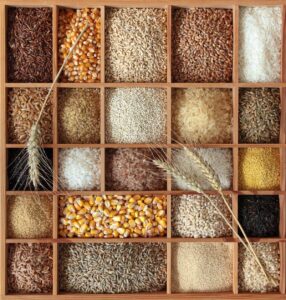
2. Agricultural Raw Materials
Source: Pinterest
These materials come from farming and agriculture. They are commonly used in the food, beverage, textile, and cosmetics industries.
Examples:
- Wheat
- Rice
- Sugar
- Cocoa
- Fruits
- Cotton
3. Mineral Raw Materials

Source: Pinterest
Mineral raw materials are obtained from the earth and are widely used in manufacturing and construction.
Examples:
- Iron
- Copper
- Aluminium
- Limestone
- Coal
4. Processed Raw Materials

Source: Pinterest
These are materials that have already gone through some processing but are still used to make other finished products.
Examples:
- Steel
- Glass
- Plastic
- Paper
- Processed chemicals
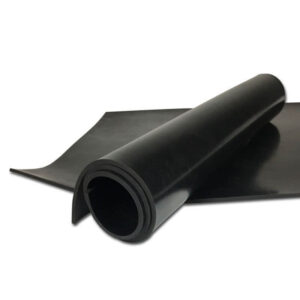
5. Synthetic Raw Materials
Source: Pinterest
Synthetic raw materials are created through chemical or industrial processes. They are commonly used in industries such as electronics, healthcare, textiles, and manufacturing.
Examples:
- Synthetic rubber
- Nylon
- Polyester
- Synthetic fibres
- Certain plastics
Direct Raw Materials vs Indirect Raw Materials: What’s the Difference?
Direct raw materials and indirect raw materials both play an important role in the manufacturing process. However, they serve different purposes.
| Aspect | Direct Raw Materials | Indirect Raw Materials |
| Meaning | Materials that are directly used to make a finished product | Materials that support the production process but are not a main part of the finished product |
| Role | Become an identifiable part of the final product | Help with production, maintenance, or daily operations |
| Cost Tracking | Costs can usually be directly traced to a specific product | Costs are usually difficult to trace to one specific product |
| Importance | Essential for creating the final product | Essential for supporting smooth and efficient production |
| Examples | Wood for furniture, cotton for clothing, flour for bread | Cleaning supplies, lubricants, glue, machine oil, and protective gloves |
6 Factors That Affect Raw Material Costs
Raw material costs can change for many reasons, and these changes can have a direct impact on a business’s production expenses.
1. Supply and Demand
When demand for a raw material increases while supply is limited, its price may rise. On the other hand, prices may fall when supply is high and demand is lower.
2. Market Conditions
Changes in the global market can affect raw material prices. Economic conditions, trade activities, and industry trends may influence how much businesses pay for materials.
3. Transportation Costs
The cost of moving raw materials from suppliers to production facilities can affect the overall price. Fuel prices, shipping fees, and delivery distances can all contribute to higher costs.
4. Weather and Natural Events
Weather conditions and natural disasters can affect the availability of agricultural and natural resources. Poor harvests, floods, or droughts may reduce supply and increase prices.
5. Currency Exchange Rates
Businesses that purchase raw materials from overseas suppliers may be affected by currency fluctuations. Changes in exchange rates can make imported materials more or less expensive.
6. Production and Processing Costs
Some raw materials require additional processing before they can be used. Energy, labour, equipment, and manufacturing costs involved in processing can influence the final material price.
How Do Raw Materials Move Through the Supply Chain?
1. Sourcing and Purchasing

Source: Pinterest
Businesses identify the raw materials they need and purchase them from suitable suppliers. They may compare factors such as quality, price, availability, and supplier reliability before placing an order.
2. Transportation

Source: Pinterest
Once purchased, raw materials are transported from the supplier to the manufacturer or production facility. Depending on the distance and type of materials, businesses may use trucks, ships, trains, or air freight.
3. Receiving and Storage

Source: Pinterest
When the materials arrive, businesses check the quantity and quality to ensure everything matches the order. The materials are then stored in a warehouse or suitable storage area until they are needed for production.
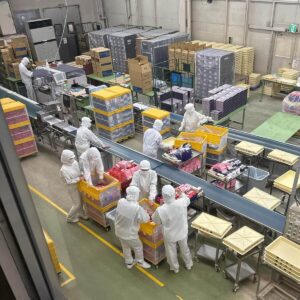
4. Production and Manufacturing
Source: Pinterest
The raw materials are taken from storage and sent to the production line. They are then processed, assembled, or combined to create finished or semi-finished products.
5. Inventory and Distribution

Source: Pinterest
Businesses monitor their remaining raw material inventory and plan future supplies to avoid production delays. Once products are ready, they are moved to distribution centres, warehouses, retailers, or fulfilment facilities.
6. Final Delivery

Source: Pinterest
The finished products are transported to their final destination, such as a retail store or directly to the customer. Reliable delivery services help ensure products arrive safely and on time, completing the journey from raw materials to the end customer.
Once raw materials are sourced and finished products are ready, reliable delivery is an important part of the supply chain. This is where EasyParcel can help.
Compare 60+ Courier Services with EasyParcel
Get Instant Quotes
Send More Parcels at Once
Save time, save cost with less click!
Integrations
Sync all your store orders and experience seamless booking experience in one click
Explore NowWith 60+ courier services available on one platform, EasyParcel makes it easier for you to compare rates, choose a suitable delivery option, and arrange shipments with ease.
From sending raw material samples and supplies to delivering finished products, you can find shipping options that match their delivery needs, budget, and destination.
Raw materials are the starting point behind many of the products used every day. They support businesses across industries, helping turn basic materials into finished products.
Ready to keep deliveries moving smoothly? Sign up for FREE and enjoy a RM10 discount coupon to start your first delivery with EasyParcel!
FAQs
1. Why are raw materials important in manufacturing?
Raw materials are important because they provide the basic resources needed to produce finished products. Their quality, availability, and cost can affect the manufacturing process, product quality, and overall production costs.
2. What are raw materials examples?
Common examples of raw materials include wood, cotton, crude oil, iron ore, natural rubber, wool, leather, coal, and natural gas. Different industries use different raw materials depending on the products they manufacture.
3. What are the main types of raw materials?
The main types of raw materials include natural raw materials, agricultural materials, mineral raw materials, processed raw materials, and synthetic raw materials. Each type comes from a different source and is used for various manufacturing and production purposes.
4. What is the difference between direct and indirect raw materials?
Direct raw materials become a significant part of the finished product and can usually be traced to a specific product. Indirect raw materials support the manufacturing process but do not become a major part of the final product. For example, wood used to make furniture is a direct raw material, while machine oil used to maintain production equipment is an indirect material.