Singapore
 Thailand
 Indonesia
Need to ship a large volume of goods overseas? One of the biggest decisions is choosing the right shipping method—and that’s where FCL shipping comes in. Imagine having an entire shipping container dedicated to one shipment, without sharing the space with anyone else. Sounds more secure and efficient, right? That’s exactly what FCL shipping offers.
In this guide, we’ll break down what FCL shipping is in a simple and easy-to-understand way. From how it works to its benefits and when it’s the right choice, everything you need to know is covered. Let’s dive in!
Contents
What Is FCL (Full Container Load) Shipping?
FCL (Full Container Load) shipping is a method in container logistics where an entire shipping container is reserved exclusively for one shipper’s goods. Instead of sharing space with other businesses, you get full use of the container—giving you complete control over how your cargo is packed, handled, and shipped.
In simple terms, if your shipment is large enough to fill a container—or you simply prefer privacy, security, and fewer handling points—you go for FCL shipping. It’s like booking an entire delivery truck for your goods only, rather than sharing it with others.
Most Common Types of FCL Shipping Container
Shipping containers come in different types depending on the nature of goods being transported. Each container is designed to handle specific cargo requirements.
1. Dry Containers
Dry containers are the most commonly used shipping containers for transporting general cargo that does not require temperature control, such as electronics, clothing, and packaged goods.
2. High Cube Containers
High cube containers are similar to dry containers but offer extra height, making them ideal for bulky or lightweight cargo that needs more vertical storage space.
3. Refrigerated Containers
Refrigerated containers (reefers) are temperature-controlled units used to transport perishable goods like food, pharmaceuticals, and other items that require cold storage.
4. Open Top Containers
Open top containers have a removable roof, allowing easy loading of oversized cargo such as machinery, construction materials, or tall goods that cannot fit through standard doors.
5. Tank Containers
Tank containers are designed for transporting liquids, gases, or chemicals safely, ensuring secure handling and preventing leaks during long-distance shipping.
6. Flat Rack Containers
Flat rack containers feature collapsible sides and are used for heavy or oversized cargo like vehicles, industrial equipment, and large machinery that cannot fit into standard containers.
4 Key Benefits of FCL Shipping
Faster Transit Time
Since the container is used by only one shipper, there is no need for consolidation or deconsolidation, which helps speed up the shipping process and reduces overall transit time.
More Predictable Delivery Schedule
Since the container is not shared with other shipments, delays caused by other cargo are minimized, resulting in more stable and predictable delivery timelines.
Ideal for Bulk and Sensitive Goods
It is highly suitable for bulk shipments or fragile products that require dedicated space, ensuring better protection and consistent shipping conditions.
Better Supply Chain Efficiency
It streamlines logistics operations by moving a single shipment directly from origin to destination, improving overall supply chain speed and coordination.
5 Important Things to Know Before Using FCL Shipping
Cargo Volume
FCL shipping is most cost-effective when have enough goods to fill a full container, as underutilized space may increase overall shipping costs.
Shipping Cost vs LCL
Before choosing FCL shipping, compare it with LCL shipping to ensure full container shipping is truly more economical for your shipment size.
Destination Requirements
Some destinations may have specific port regulations or handling processes, so it’s important to check compliance before booking FCL shipping.
Type of Goods Being Shipped
It is better suited for bulk, heavy, or high-value goods that require dedicated space and reduced handling during transit.
Shipping Route Availability
Not all routes have frequent FCL services, so availability and sailing schedules should be checked before confirming booking.
How FCL Shipping Works?
1. Book a Full Container
Source: Pinterest
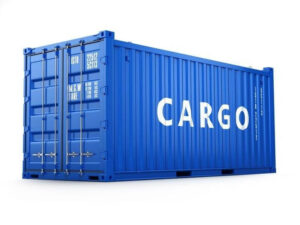
The process begins by booking a full shipping container with a freight forwarder or shipping line. The container size, usually 20-foot or 40-foot—is chosen based on the shipment volume, cargo type, and destination.
2. Load and Seal the Cargo
Source: Pinterest
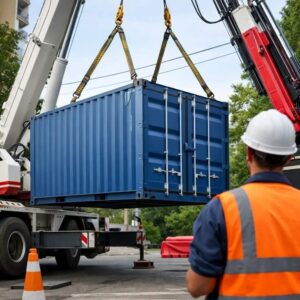
Once the empty container arrives at the loading location, the goods are carefully packed inside. Because the entire container belongs to one shipper, there’s no need to share space with other cargo. After loading is complete, the container is sealed with a security seal to keep the shipment protected throughout the journey.
3. Ocean Transportation
Source: Pinterest
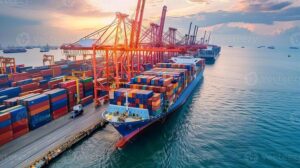
The sealed container is transported by truck or rail to the departure port. After completing export customs procedures, it is loaded onto a cargo ship and transported to the destination country.
4. Customs Clearance

Source: Pinterest
When the ship arrives at the destination port, the container goes through import customs clearance. Customs officers verify the shipping documents and ensure all duties, taxes, and import requirements have been completed before releasing the shipment.
5. Final Delivery
Source: Pinterest
After customs clearance, the container is transported to the consignee’s warehouse, factory, or distribution center. The seal is removed, the goods are unloaded, and the empty container is returned to the shipping line, marking the end of the FCL shipping process.
FCL vs LCL: What’s the Difference?
When it comes to sea freight, FCL and LCL are the two main choices. Both move goods internationally but work differently.
| Feature | FCL (Full Container Load) | LCL (Less than Container Load) |
| Container Usage | One shipper uses the entire container exclusively | Multiple shippers share space in one container |
| Shipping Cost | Fixed cost for full container regardless of usage | Pay only for the volume or space used |
| Shipment Size | Ideal for large shipments that fill a container | Suitable for smaller or irregular shipments |
| Transit Time | Generally faster with direct handling and fewer stops | May take longer due to consolidation and deconsolidation |
| Best For | Large businesses with high shipment volumes | SMEs, startups, and low-volume shippers |
6 Ways to Reduce Costs in FCL Shipping
Managing costs in FCL shipping is important for businesses that want to move large volumes efficiently without overspending.
Optimize Container Utilization
Maximizing the space inside a full container load helps reduce wasted space and ensures you get the best value for every shipment by fitting more goods efficiently.
Choose the Right Shipping Route
Selecting shorter or more direct shipping routes reduces fuel consumption, transit time, and port handling charges, leading to overall cost savings.
Book Shipments in Advance
Early booking helps secure better freight rates and avoids peak-season surcharges, making FCL shipping more affordable and predictable.
Compare Freight Forwarders
Different freight forwarders offer varying rates and services, so comparing options helps businesses choose the most cost-effective and reliable shipping partner.
Reduce Unnecessary Port Charges
Minimizing delays at ports and ensuring proper documentation helps avoid extra storage fees, and other hidden charges.
Standardize Packaging Sizes
Using stackable packaging improves container space efficiency and reduces the need for additional shipments or wasted volume.
4 Main Challenges in FCL Shipping
High Container Costs
FCL shipping requires booking an entire container, which leading to higher per-unit shipping costs.
Limited Flexibility
Once a full container is booked, it is difficult to modify shipment size or timing.
Equipment Availability Issues
In some regions, there may be a shortage of available containers or chassis, especially during peak seasons.
Customs Clearance Complexity
FCL shipments require accurate documentation and compliance with customs regulations.
FCL shipping is a good choice when you have a large shipment. It gives you full use of a container, so your goods are safer and handled less. If your cargo is big, FCL is a simple and reliable option.
Start shipping easily with EasyParcel. Compare 60+ courier rates, book instantly, and manage all your deliveries in one simple platform. Sign up for FREE and enjoy a RM10 discount coupon to start your first delivery with EasyParcel!
FAQs
1. What is FCL shipping?
FCL shipping is a shipping method where one shipper uses an entire shipping container for its goods. The container is not shared with other shipments, making it safer and faster for large cargo.
2. What is the difference between FCL and LCL shipping?
FCL (Full Container Load) shipping means one shipper uses the whole container. LCL (Less than Container Load) shipping means several shippers share one container.
3. Is FCL cheaper than LCL?
It depends on the shipment size. LCL is usually cheaper for small shipments because only the space used is paid for. FCL is often more cost-effective for large shipments that can fill most or all of a container.
4. What are the disadvantages of FCL?
FCL can cost more if there are not enough goods to fill the container. The shipper must pay for the entire container, even if there is empty space inside.