Singapore
 Thailand
 Indonesia
Every great product starts with an idea—but turning that idea into something real takes the right manufacturing support. That’s where OEM comes in. OEM makes it possible for brands to bring their concepts to life by working with experienced manufacturers who handle the production process from start to finish.
So, what is OEM?
In this blog, we will explore everything about OEM. Let’s get started!
Contents
What Is OEM (Original Equipment Manufacturer)?
Source: Pinterest
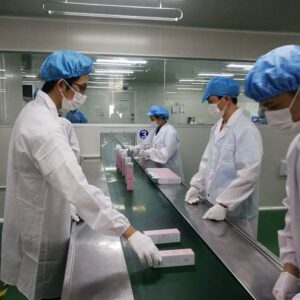
OEM (Original Equipment Manufacturer) is a company that manufactures products based on another business’s design, specifications, and branding. Instead of creating the product themselves, businesses partner with an OEM manufacturer to produce high-quality products that are sold under their own brand.
For example, if a skincare brand develops its own product formula but hires a manufacturer to produce and package it, that manufacturer is the OEM.
How Does OEM Works?
1. Idea & Requirements

Source: Pinterest
The manufacturer reviews the concept and prepares technical drawings, production plans, or design improvements if needed. At this stage, both sides discuss feasibility, production methods, cost estimates, and timelines to ensure everything is practical for manufacturing.
2. Sample Development

Source: Pinterest
A prototype or sample is created based on the approved design. The business tests the sample for quality, durability, appearance, and functionality. Feedback is shared, and adjustments are made until the product meets the required standards.
3. Mass Production
Source: Pinterest
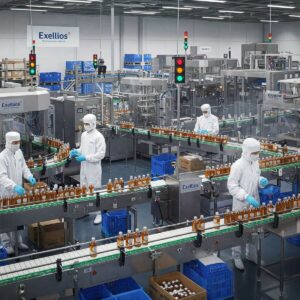
After sample approval, full-scale production begins. The manufacturer uses specialized machines, raw materials, and skilled workers to produce the product in large quantities while maintaining consistent quality control.
4. Branding & Packaging
Source: Pinterest
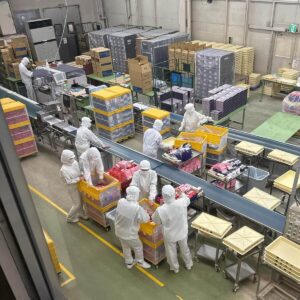
Once production is complete, products are labeled and packaged according to the brand’s identity. This includes logos, packaging design, barcodes, and any custom packaging requirements needed for retail or eCommerce.
5. Delivery & Distribution

Source: Pinterest
The finished products are then packed for shipping and delivered to the business, warehouse, or distribution center. From here, the brand handles marketing, sales, and customer distribution.
OEM vs ODM: What’s the Real Difference?
Choosing between OEM (Original Equipment Manufacturer) and ODM (Original Design Manufacturer) is an important decision for businesses looking to manufacture products. Here’s a simple comparison:
| Feature | OEM (Original Equipment Manufacturer) | ODM (Original Design Manufacturer) |
| Concept | Manufacturer builds a product to brand’sexact blueprint | Manufacturer creates a generic product that the buyer rebrand |
| Design Ownership | The brand owns the product design and intellectual property | The manufacturer owns the original product design |
| Customization | Highly customizable to meet the brand’s requirements | Limited customization, mainly branding and packaging |
| Cost | Higher upfront investment due to custom development | Lower initial costs because design work is already completed |
| Best For | Businesses that want unique, branded products with full control | Businesses that want to launch products quickly and cost-effectively |
What Are the Benefits of OEM for Business?
Lower Production Cost
OEM helps businesses save money because they don’t need to invest in factories, machinery, or hiring large production teams.
Focus on Core Business
Instead of managing production, companies can focus on what matters most—branding, marketing, customer service, and sales.
Faster Product Development
OEM manufacturers already have established systems and experience, so products can move from idea to production much faster.
Custom Product Control
Even though production is outsourced, businesses still control the product design, features, materials, and quality requirements.
Improved Product Quality
OEM manufacturers often specialize in specific industries and use advanced machines and quality control processes.
Top Industries That Rely on OEM
OEM manufacturing is widely used across many industries because it allows brands to produce high-quality products without owning factories. Here are the key industries that depend on OEM:
Automotive Industry
Car companies rely on OEM manufacturers to produce parts, components, and even full vehicle assemblies based on their designs and standards.
Electronics Industry
Smartphones, laptops, and smart devices are often produced by OEM factories that handle assembly, hardware production, and testing.
Beauty & Cosmetics Industry
Skincare and makeup brands use OEM manufacturers to produce formulas, packaging, and branded beauty products.
Fashion & Apparel Industry
Clothing brands work with OEM factories to manufacture garments, shoes, and accessories based on their designs.
Home & Furniture Industry
Many furniture and home product brands use OEM services to produce custom-designed items at scale.
Medical & Healthcare Industry
OEM manufacturers produce medical devices, equipment, and healthcare products following strict quality and safety standards.
How to Choose the Right OEM Manufacturer?
Check Experience & Industry Expertise
Choose a manufacturer with experience in your product category. This ensures they understand the materials, process, and quality standards needed.
Evaluate Production Capacity
Make sure they can handle your order volume, both for small batches and large-scale production as your business grows.
Verify Certifications & Compliance
Ensure the manufacturer meets industry certifications and safety standards relevant to your product type.
Compare Pricing & Hidden Costs
Look beyond unit price and check for hidden costs like tooling, shipping, packaging, or setup fees.
Hidden Challenges of OEM Manufacturing
High Minimum Order Quantity (MOQ)
Many manufacturers require large order volumes, which can be difficult for small businesses or startups with limited budgets.
Long Production Lead Time
Custom manufacturing and production scheduling can take time, especially for complex or highly customized products.
Quality Control Issues
Maintaining consistent product quality can be challenging if there is poor communication or lack of strict quality checks.
Supply Chain & Shipping Delays
Delays in raw materials, production, or logistics can affect delivery timelines and inventory planning.
Once your OEM products are ready, the next step is getting them delivered to your customers quickly and efficiently. That’s where EasyParcel can help.
Compare 60+ Couriers & Ship with EasyParcel
Get Instant Quotes
Send More Parcels at Once
Save time, save cost with less click!
Integrations
Sync all your store orders and experience seamless booking experience in one click
Explore NowWith 60+ courier services available in one platform, you can compare rates instantly, choose the best option for your needs, and book shipments with ease.
From small online orders to bulk deliveries, EasyParcel helps you save time and shipping costs while ensuring your products reach customers reliably and on time.
OEM plays a powerful role in modern business by helping brands turn ideas into real, market-ready products without needing to build their own factories. It allows companies to focus on what they do best—developing their brand, reaching customers, and growing their business.
Ready to ship with EasyParcel? You can compare courier prices, book deliveries in seconds, and manage all your shipments in one platform—so you can focus more on growing your business. Sign up for FREE today and enjoy a RM10 discount coupon on your first delivery with EasyParcel!
FAQs
1. What does the OEM mean?
OEM (Original Equipment Manufacturer) refers to a company that produces products based on another brand’s design, specifications, and requirements. The finished products are sold under the brand’s name, not the manufacturer’s.
2. Is OEM the same as original?
No, OEM is not “the original product.” It means the manufacturer produces the product for another brand using that brand’s design or instructions. The brand owns the product identity, not the manufacturer.
3. What is OEM vs ODM?
OEM means the brand provides the product design and the manufacturer produces it. ODM means the manufacturer already has a product design, and the brand simply rebrands and sells it.
4. Is OEM manufacturing expensive?
OEM can be more expensive at the beginning because of design, development, and setup costs. However, it becomes cost-effective for large-scale production and long-term business growth.