Singapore
 Thailand
 Indonesia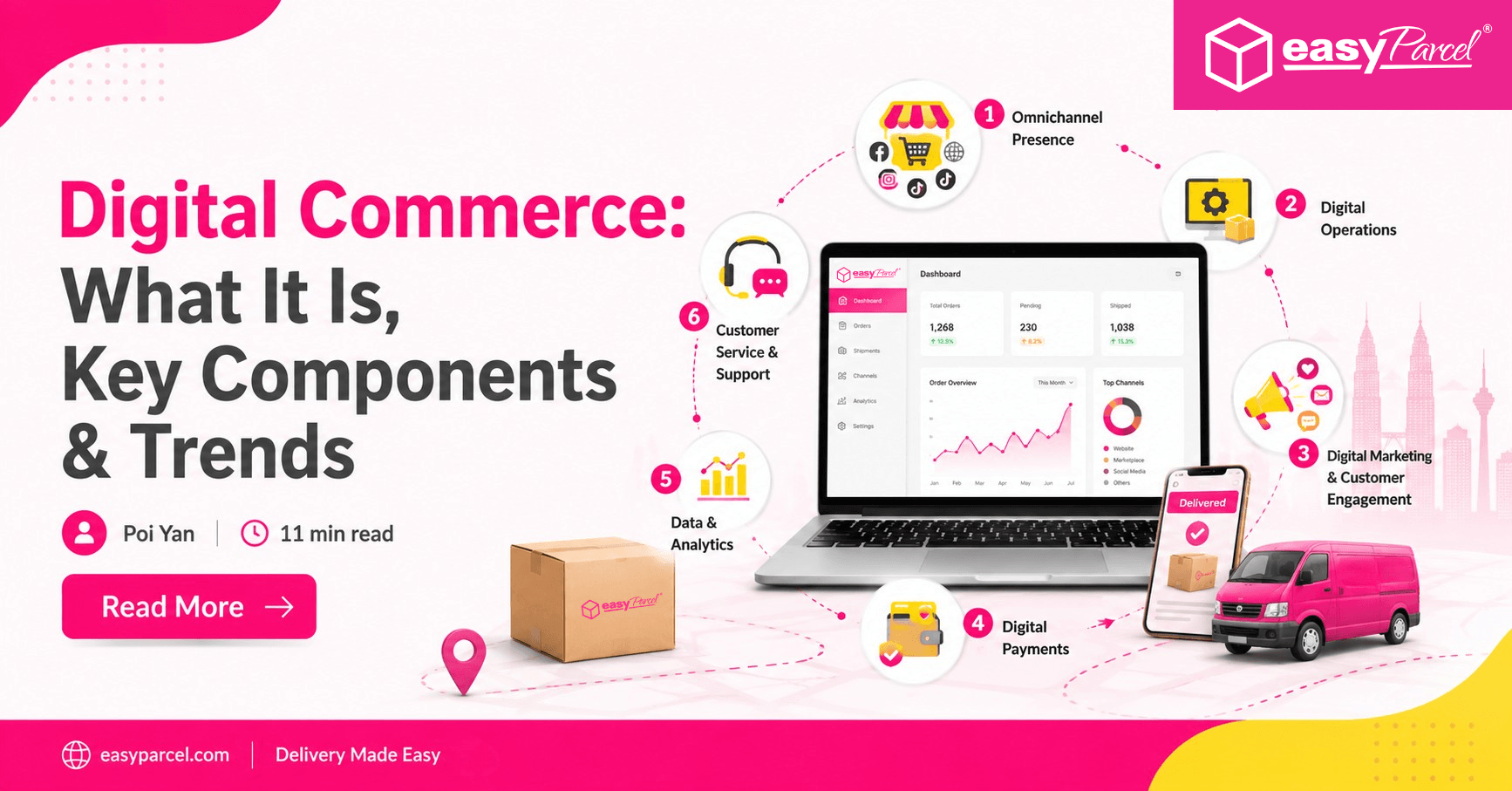
Imagine a customer discovers a product while scrolling through social media. A few clicks later, they visit an online store, make payment online, and receive the parcel at their doorstep. No physical store visit needed. This is digital commerce in action.
So, how does digital commerce work, and what can it do for a business? Let’s explore everything businesses need to know about digital commerce and how it is shaping the future of online shopping.
Contents
What Is Digital Commerce?

Source: Pinterest
Digital commerce is the process of buying and selling goods and services online. It covers the entire customer journey, from discovering a product through social media and digital marketing to making an online purchase. It also includes digital payments, receiving the order, and getting support after the purchase.
What Are the Key Components of Digital Commerce?
1. Omnichannel Presence
Source: Pinterest
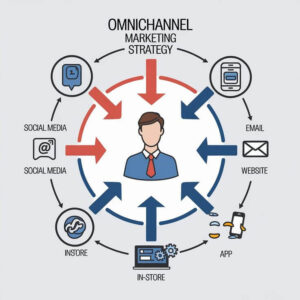
An omnichannel presence allows businesses to sell and connect with customers across multiple online channels. This makes it easier for customers to discover products and shop through their preferred platforms.
Examples:
2. Digital Operations

Source: Pinterest
Digital operations cover the systems and tools businesses use to manage their daily online activities. These tools help businesses manage orders, inventory, warehouses, and customer information more efficiently.
Examples:
- Order Management Systems (OMS) for managing customer orders
- Warehouse Management Systems (WMS) for organising warehouse activities
- Automated inventory tracking for monitoring stock levels
- Customer Relationship Management (CRM) systems for managing customer information
3. Digital Marketing and Customer Engagement

Source: Pinterest
Digital marketing helps businesses attract customers, promote products, and build stronger relationships with their target audience. Businesses can also use customer data to provide more personalised shopping experiences.
Examples:
- Search Engine Optimisation (SEO) to improve online visibility
- Social media marketing to promote products
- Email marketing to share promotions and updates
- Digital advertising to reach specific audiences
- Personalised product recommendations based on customer behaviour
4. Digital Payments

Source: Pinterest
Digital payments allow customers to pay for products and services quickly and conveniently. Offering different payment methods can make the checkout process easier and more flexible.
Examples:
- Credit and debit cards
- Online banking
- Digital wallets such as Touch ‘n Go eWallet and GrabPay
- Buy Now, Pay Later (BNPL) services
- Online payment gateways
5. Data and Analytics

Source: Pinterest
Data and analytics help businesses understand customer behaviour and measure business performance. By analysing data, businesses can make better decisions and improve their digital commerce strategies.
Examples:
- Website traffic to measure the number of visitors
- Conversion rates to track completed purchases
- Cart abandonment rates to identify checkout issues
- Customer purchase data to understand shopping behaviour
- Marketing performance data to measure campaign results
6. Customer Service and Support

Source: Pinterest
Customer service helps businesses answer questions, solve problems, and support customers throughout their shopping journey. Good support can improve customer satisfaction and encourage repeat purchases.
Examples:
- Live chat for instant assistance
- Chatbots for answering common questions
- Email support for customer enquiries
- Social media messaging
- FAQs and online help centres
- Order tracking systems for delivery updates
Why Is Digital Commerce Important?
Understand Customer Behaviour
Businesses can use customer data and digital analytics to understand shopping habits and create better products, offers, and marketing campaigns.
Improve Customer Experience
Digital tools help businesses create a smoother shopping journey, from product discovery and payment to delivery and customer support.
Reach More Customers
Digital commerce allows businesses to reach customers beyond their local area through websites, social media, and online marketplaces.
Stay Competitive
A strong digital presence helps businesses keep up with changing customer needs and compete in the growing online market.
Digital Commerce vs E-commerce: What’s the Difference?
Although digital commerce and e-commerce are closely related, they are not exactly the same.
| Aspect | Digital Commerce | E-commerce |
| Meaning | Covers the full digital process of selling products and services | Focuses mainly on buying and selling products or services online |
| Main Goal | The entire customer journey and digital business experience | Online transactions and sales |
| Activities | Marketing, product discovery, shopping, payment, delivery, and customer support | Browsing products, placing orders, and making online payments |
| Channels | Websites, mobile apps, social media, online marketplaces, and other digital channels | Mainly online stores, websites, and marketplaces |
| Customer Journey | Covers the journey from discovering a product to post-purchase support | Mainly focuses on the purchase and transaction process |
How to Build a Successful Digital Commerce Strategy?
A successful digital commerce strategy helps businesses reach the right customers, create a smooth shopping experience, and increase online sales.
1. Understand the Target Audience
Start by understanding who the target customers are and what they expect from the shopping experience. Knowing customer needs and shopping behaviour makes it easier to create products, content, and services that match their preferences.
Key areas to consider:
- Customer demographics and interests
- Online shopping habits
- Preferred payment methods
- Delivery expectations
- Common customer needs and pain points
2. Choose the Right Digital Commerce Channels
Businesses should choose online channels that match where their target customers spend their time. A combination of channels can help businesses reach a wider audience and provide customers with more ways to shop.
Key areas to consider:
- Business websites and online stores
- Mobile commerce
- Social commerce
- Online marketplaces
- Social media platforms
- Omnichannel selling
3. Create a Smooth Customer Experience
A simple and convenient shopping journey can make it easier for customers to complete their purchases. Every step should be easy to navigate, from finding a product to checking out and receiving the order.
Key areas to consider:
- Clear product information and pricing
- Simple checkout process
- Multiple payment options
- Fast and reliable delivery
- Easy parcel tracking and returns
4. Use Data and Technology
Technology and customer data can help businesses understand what works and where improvements are needed. Businesses can use analytics and automation tools to make better decisions and improve the customer experience.
Key areas to consider:
- Monitor website and sales performance
- Analyse customer behaviour
- Use AI for personalisation and automation
- Manage inventory and orders efficiently
- Use customer data to improve future strategies
5. Continuously Improve the Strategy
Digital commerce is constantly changing, so businesses should regularly review their strategy and adapt to new customer expectations and market trends. Testing different approaches can help identify what works best for the business and its customers.
Key areas to consider:
- Monitor sales and conversion rates
- Collect customer feedback
- Test new marketing strategies
- Improve the checkout and delivery experience
- Keep up with digital commerce trends
Digital Commerce Trends to Watch in 2026
Digital commerce continues to evolve as technology changes how businesses sell and how customers shop. Here are five key digital commerce trends to watch in 2026:
1. AI-Powered Shopping Experiences
Artificial intelligence (AI) is becoming a bigger part of online shopping. Businesses can use AI to understand customer behaviour, personalise shopping experiences, and automate different parts of the customer journey.
2. Social Commerce Continues to Grow
Social media is becoming an important channel for product discovery and online shopping. Customers can discover products, interact with sellers, and make purchases without leaving their favourite social platforms.
3. Mobile Commerce Takes Centre Stage
More customers are using smartphones to browse products and complete purchases. Businesses are therefore focusing on mobile-friendly websites and apps that make shopping faster and more convenient.
4. Omnichannel Shopping Experiences
Customers expect a consistent shopping experience across different channels. Businesses are connecting their websites, physical stores, mobile apps, social media, and marketplaces to create a smoother customer journey.
5. Faster and More Flexible Delivery
Delivery is an important part of the digital commerce experience. Customers increasingly value delivery options that offer speed, convenience, and flexibility.
After a customer places an order online, what happens next? They wait for the parcel to arrive. This makes delivery an important part of the overall digital commerce experience. That’s where EasyParcel can help.
How EasyParcel Supports Digital Commerce Delivery?
Get Instant Quotes
Send More Parcels at Once
Save time, save cost with less click!
Integrations
Sync all your store orders and experience seamless booking experience in one click
Explore NowWith access to 60+ courier services on one platform, you can easily compare delivery options and choose a suitable courier based on your shipping needs. Instead of checking different courier websites one by one, you can manage your deliveries more conveniently in one place.
With EasyParcel, you can choose a reliable courier that fits your business needs. This can help ensure parcels are delivered safely and on time. They are more likely to have a positive shopping experience and return to your store in the future.
Digital commerce is changing the way businesses sell and connect with customers. With new technologies and changing shopping habits, businesses can reach more customers and create better online shopping experiences.
Ready to make delivery easier for your online business? Sign up for FREE and enjoy a RM10 discount coupon to start your first delivery with EasyParcel!
FAQs
1. What is the meaning of digital commerce?
Digital commerce means buying and selling products or services through digital channels. It covers the full customer journey, from discovering a product online and making a purchase to digital payment, delivery, and customer support.
2. Is digital commerce the same as ecommerce?
No. E-commerce mainly focuses on buying and selling online, while digital commerce covers the whole online customer journey, from discovering a product to after-sales support.
3. Why is digital commerce important?
Digital commerce important because it helps businesses reach more customers, sell through different online channels, and provide a convenient shopping experience.