Singapore
 Thailand
 Indonesia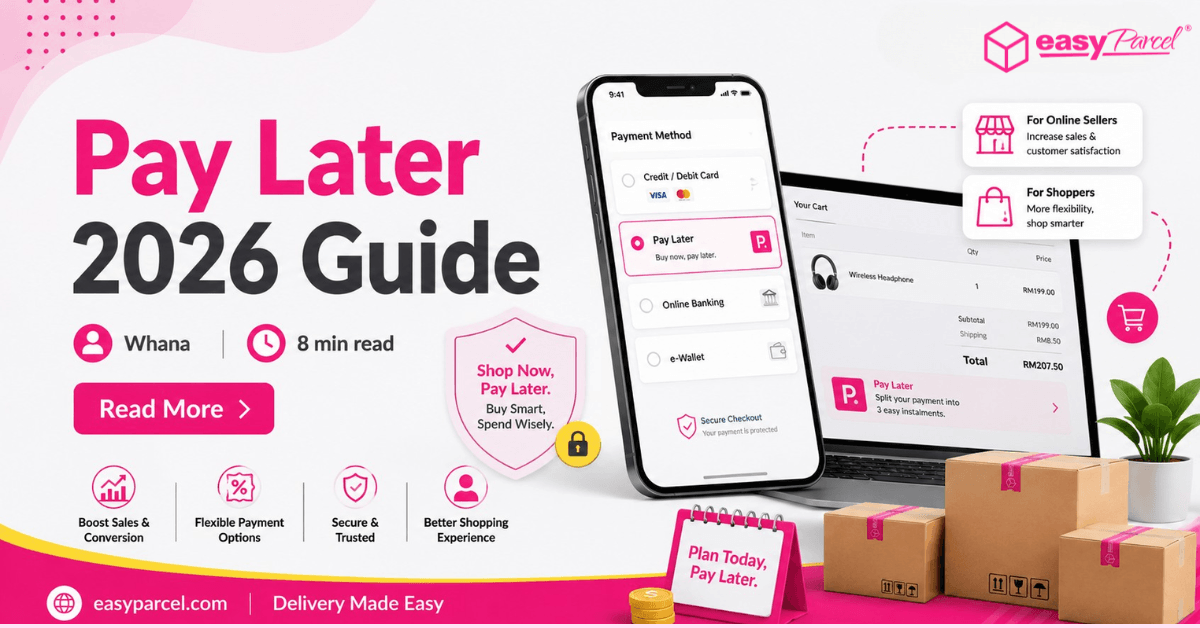
Imagine finding something you need today—but not having to pay the full amount immediately.
Instead, you can split the payment into smaller installments or settle it later according to an agreed schedule.
That’s the idea behind Pay Later.
Over the past few years, Pay Later services have become increasingly popular among online shoppers and businesses. Whether you’re buying gadgets, fashion items, travel tickets, or everyday essentials, you’ve probably seen a “Pay Later” option during checkout.
But what exactly does it mean?
How does it work?
And is it always a good idea?
Let’s break it down.
Content
What Is Pay Later?
Pay Later is a payment method that allows customers to receive products or services immediately while delaying payment to a future date or splitting the cost into installments.
Many Pay Later services fall under the category of:
Buy Now, Pay Later (BNPL)
These solutions provide consumers with more flexibility when making purchases.
Quick Answer
Pay Later is a payment option that lets customers buy products or services immediately and pay for them later, either through installments or deferred payment plans
How Does Pay Later Work?
While different providers have different terms, the process is usually simple.
Step 1: Shop as Usual
Select the products or services you want to purchase.
Step 2: Choose Pay Later at Checkout
Instead of paying the full amount immediately, choose the Pay Later option.
Step 3: Approval Process
The provider may perform eligibility checks before approving the transaction.
Step 4: Complete Your Purchase
Once approved, your order is processed.
Step 5: Make Future Payments
Payments are made according to the agreed repayment schedule.
This could involve:
- Monthly installments
- Deferred payments
- Scheduled repayment plans
Why Has Pay Later Become So Popular?
Pay Later solutions have gained popularity because they offer greater financial flexibility. Instead of paying a large amount upfront, consumers can spread payments over time.
Common reasons people use Pay Later include:
- Better cash flow management
- Budget flexibility
- Convenience
- Faster checkout experiences
- Access to larger purchase
Benefits of Using Pay Later
When used responsibly, Pay Later services can offer several advantages.
Better Budget Management
Instead of making one large payment, customers can spread costs across multiple payment periods.
This may help manage monthly expenses more effectively.
Immediate Access to Products
Customers can receive products or services without waiting until they have the full amount available.
Flexible Payment Options
Different providers may offer:
- Monthly installments
- Short-term repayment plans
- Deferred payment schedules
Convenient Checkout Experience
Many Pay Later services integrate directly into online stores, making checkout fast and seamless.
Potential Risks of Pay Later
While Pay Later can be useful, it’s important to understand the risks.
Overspending
The ability to delay payment may encourage some consumers to spend more than they can comfortably afford.
Missed Payment Fees
Depending on the provider’s terms, late payments may result in penalties or additional charges.
Multiple Commitments
Using several Pay Later services at the same time can make financial obligations difficult to track.
Impact on Financial Planning
Future payments still need to be budgeted appropriately.
Paying later does not mean paying less.
Pay Later vs Credit Cards
Many people compare Pay Later services to traditional credit cards. Although both allow delayed payments, there are important differences.
| Pay Later | Credit Card |
|---|---|
| Usually purchase-specific | Reusable credit facility |
| Often installment-based | Revolving credit |
| Simpler checkout integration | Requires credit card account |
| Fixed repayment schedule | Flexible repayment options |
| Designed for specific purchases | Can be used repeatedly |
Quick Answer
Pay Later is typically tied to individual purchases with structured repayments, while credit cards provide ongoing access to a revolving credit limit
Common Uses of Pay Later
Pay Later options are available across many industries.
Ecommerce Shopping
One of the most common uses.
Consumers can purchase:
- Electronics
- Fashion items
- Home goods
- Beauty products
Travel Bookings
Some providers allow travelers to split the cost of flights, hotels, and holiday packages.
Education and Courses
Online learning platforms sometimes offer installment-based payment options.
Business Purchases
Businesses may use deferred payment solutions to manage cash flow while acquiring essential tools, inventory, or services
Is Pay Later Safe?
Pay Later services can be safe when offered by reputable providers and used responsibly.
Before using any Pay Later solution, it’s important to:
- Read the terms and conditions
- Understand repayment obligations
- Check for fees or penalties
- Ensure payments fit your budget
Like any financial product, understanding the details is essential.
How to Use Pay Later Responsibly
The best way to benefit from Pay Later is to treat it as a financial tool—not free money.
Only Buy What You Can Afford
Future payments should fit comfortably within your budget.
Keep Track of Payment Dates
Missed payments can create unnecessary financial stress.
Avoid Multiple Simultaneous Commitments
Managing too many repayment schedules can become difficult.
Read the Terms Carefully
Every provider has different requirements and conditions.
Understanding them beforehand helps prevent surprises late.
The Future of Pay Later
The Buy Now, Pay Later industry continues to grow worldwide. Several trends are shaping the future of Pay Later services.
Greater Adoption by Businesses
More merchants are integrating Pay Later options into their checkout processes.
Enhanced Digital Experiences
Applications and approval processes are becoming faster and more convenient.
Smarter Financial Tools
Providers are investing in better payment tracking and budgeting features.
Expansion Beyond Retail
Pay Later solutions are increasingly appearing in travel, healthcare, education, and professional service.
Why Businesses Offer Pay Later Options
From a business perspective, Pay Later can improve the customer experience.
Potential benefits include:
- Increased purchase confidence
- Reduced checkout abandonment
- Improved conversion rates
- Greater payment flexibility for customers
For many businesses, offering flexible payment options can help remove barriers to purchase.
Final Thoughts
Pay Later has transformed the way many consumers and businesses make purchases.
By allowing payments to be spread over time, it offers flexibility, convenience, and greater purchasing power. However, like any financial tool, it should be used thoughtfully and responsibly.
The key is simple:
Understand the terms, keep track of repayments, and only commit to purchases that fit within your budget.
When used wisely, Pay Later can be a useful option for managing expenses while enjoying the products and services you need today.
FAQ about Pay Later
1. What does Pay Later mean?
Pay Later is a payment option that allows customers to buy products or services now and pay for them at a future date or through installments.
2. Is Pay Later the same as Buy Now Pay Later (BNPL)?
In many cases, yes. Pay Later services are commonly categorized under Buy Now Pay Later (BNPL) solutions.
3. Does Pay Later charge interest?
It depends on the provider and repayment plan. Users should always review the terms before making a purchase.
4. Can Pay Later affect financial planning?
Yes. Future payment obligations should always be considered when budgeting.