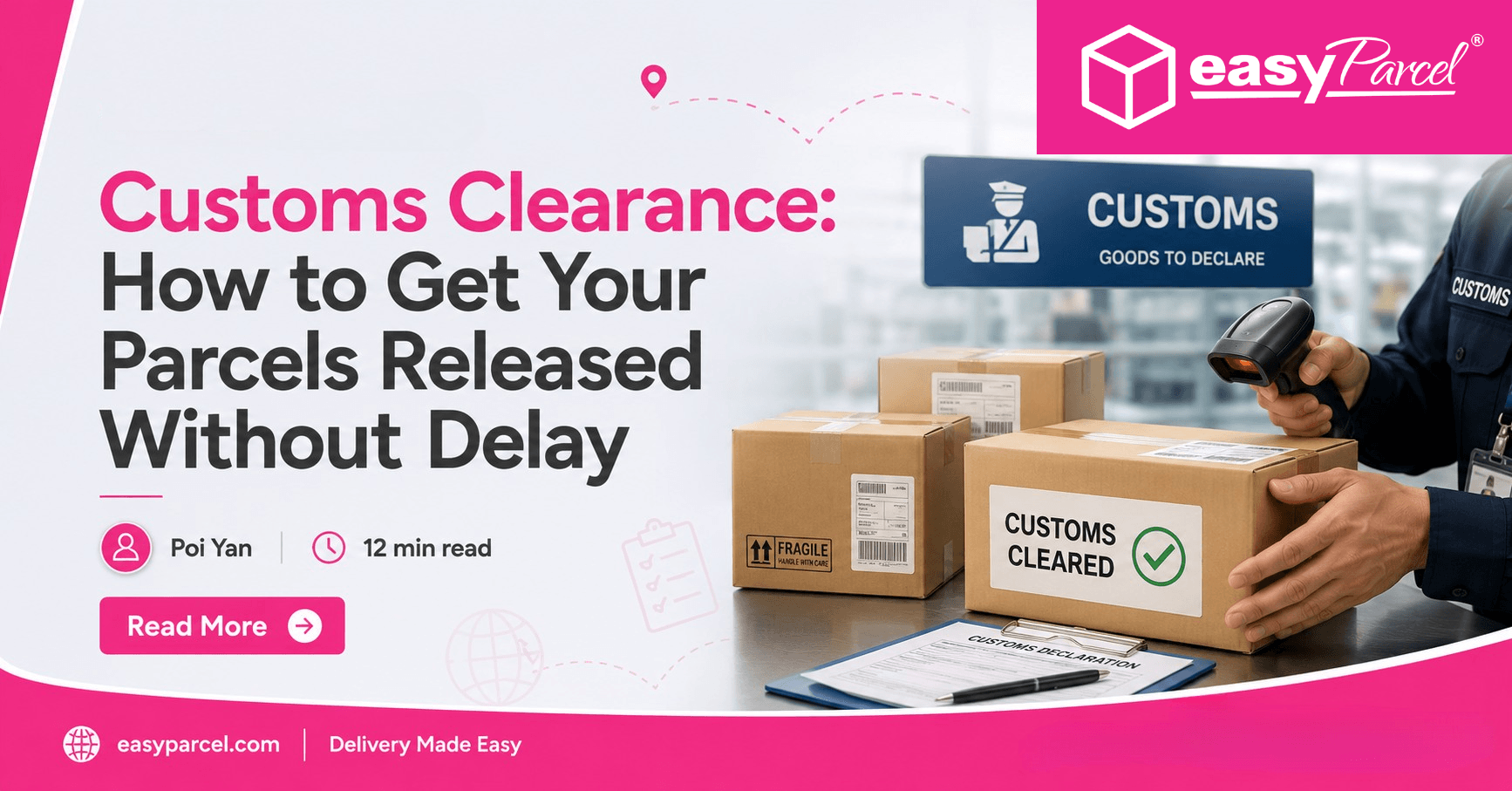
Customs Clearance: How to Get Your Parcels Released Without Delay

Customs Clearance: How to Get Your Parcels Released Without Delay

Looking for information about customs clearance for international shipping? You’re in the right place! ✨

Let’s be honest, nobody likes unexpected shipping delays, extra fees, or parcels getting stuck at the border, right? That’s why understanding customs clearance is so important. It’s a key part of international shipping that helps ensure your goods can enter or leave a country smoothly and legally.

Don’t worry! In this guide, we’ll walk you through all about customs clearance to help your international shipments moving smoothly.  🌍📦

Contents

What Is Customs Clearance? ​

Customs clearance is the process of getting approval from customs authorities for goods to enter or leave a country. Think of it as a checkpoint that every international shipment must pass before continuing its journey. To clear customs, the required shipping documents must be submitted, and any duties or taxes may need to be paid. Customs officers will then check the shipment before allowing it to enter or leave the country.

Once everything is in order, your shipment is officially cleared and can continue on its way to its final destination. Simple as that! 

8 Important Documents for Smooth Customs Clearance

1. Commercial Invoice

Commercial invoice is one of the most important documents in customs clearance. It serves as the main reference for your shipment details and value.

It includes:

  • Sender (exporter) name, address, and contact details
  • Recipient (importer) name, address, and contact details
  • Detailed product description
  • Quantity of items
  • Unit price and total declared value
  • Currency used
  • Invoice number and date

💡 Why it matters: Customs authorities use this document to determine the value of goods and calculate applicable duties and taxes.

2. Air Waybill (AWB)

Air waybill (AWB) is a document issued by the courier as proof of shipment. It also acts as a tracking and reference document throughout the shipping process.

It includes:

  • Sender and recipient details (name, address, contact information)
  • Shipment description
  • Weight and dimensions
  • Destination country
  • Tracking number
  • Courier information

💡 Why it matters: It helps customs and logistics providers verify shipment details and monitor the delivery process. Customs authorities use the AWB to verify shipment details and support the customs clearance process.

3. Bill of Lading

Bill of lading is commonly used for sea freight shipments and serves as both a receipt and transport contract.

It includes:

  • Shipper (sender) and consignee (receiver) details
  • Vessel name and voyage information
  • Port of loading and destination port
  • Description of goods
  • Freight terms and conditions

💡 Why it matters: It confirms ownership of goods and provides official shipment details for customs clearance.

4. Certificate of Origin

Certificate of origin certifies the country where the goods were manufactured or produced.

It includes:

  • Exporter and manufacturer details
  • Country of origin
  • Product description
  • Certification authority details and official stamp

💡 Why it matters: Customs use this document to determine eligibility for trade agreements, tariff reductions, or import restrictions.

5. Material Safety Data Sheet (MSDS)

Material Safety Data Sheet (MSDS) provides safety information for goods, especially chemicals or hazardous materials.

It includes:

  • Product or chemical name and composition
  • Hazard classification
  • Safe handling and storage instructions
  • Emergency response procedures
  • Manufacturer details

💡 Why it matters: It mainly required for chemicals or hazardous materials to ensure safe handling and transport.

6. Packing List

Packing list provides a detailed breakdown of the shipment contents.

It includes:

  • Sender and recipient information
  • List of items with descriptions
  • Quantity of each item
  • Weight and dimensions
  • Number of packages or cartons

💡 Why it matters: Customs use it to verify the physical contents of a shipment during inspection.

7. Import/Export Permit

Import/export permit is an official authorization required for restricted or controlled goods.

It includes:

  • Importer/exporter details
  • Product description
  • Permit number and validity period
  • Issuing authority
  • Conditions of approval

💡 Why it matters: It ensures that regulated goods are legally approved for international shipping.

8. Insurance Certificate

The insurance certificate confirms that a shipment is covered against potential loss or damage during transit.

It includes:

  • Sender and insured party details
  • Shipment description and declared value
  • Coverage type
  • Insurance provider details
  • Policy number

💡 Why it matters: It provides financial protection and supports accurate valuation of the shipment.

The Ultimate Checklist To Deliver An International Shipment

For more tips on simplifying your international shipments, you may check out our ultimate checklist here.
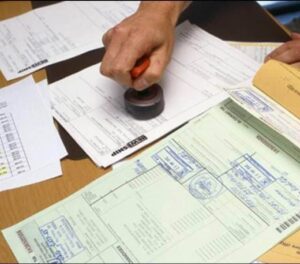

How Does the Customs Clearance Process Work in Malaysia?

1. Customs Declaration Submission

Customs clearance - Prepare and Submit the Required Documents

Source: Pinterest

This is where your journey officially begins. You (or your freight forwarder/agent) submit a customs declaration containing key shipment details. The more accurate your information is, the smoother your shipment moves. Even small mistakes can cause delays, so details matter here.

2. Customs Document Verification

Source: Pinterest

Next, customs officers carefully review your documentation. They will check your commercial invoice, packing list, permits, certificates, and any required supporting documents. The goal is to make sure everything matches perfectly—what you declared should align with what you’re actually shipping.

If anything is missing or unclear, they may contact you for clarification or additional documents.

3. Customs Risk Assessment & Inspection

Customs clearance -Customs Inspection and Risk Assessment

Source: Pinterest

Now comes the “security screening” stage. Customs uses a risk assessment system to decide whether your shipment needs extra attention. Factors like product type, value, origin country, and compliance history are all considered.

Don’t worry, this is normal. It’s simply customs making sure everything is safe, legal, and correctly declared. Think of it as a quick luggage check at the airport.

4. Customs Duties & Tax Assessment

Customs clearance - Duties and Taxes Calculation

Source: Pinterest

Once your shipment passes the checks, customs will calculate any duties and taxes. Sometimes, customs may re-evaluate the value if something doesn’t match standard pricing or documentation.

At this stage, you may need to pay import duties, taxes, or service charges before your goods can move forward.

This is where DDP and DDU come in:

  • Delivered Duty Paid (DDP): Everything is already taken care of for you. Duties and taxes are prepaid, so your parcel arrives with no extra payment needed. Smooth and stress-free.
  • Delivered Duty Unpaid (DDU): Duties and taxes are not included. You will need to pay them when the shipment arrives before it can be released for delivery.
Duty & Tax Estimator

Duty & Tax Estimator: Estimate Import Costs Instantly

To make international shipping easier, you can use EasyParcel's Duty & Tax Estimator tool to calculate estimated import charges before shipping.
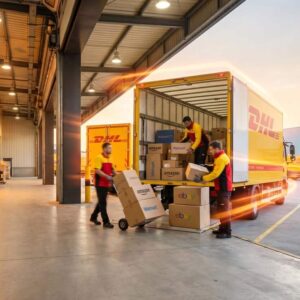
5. Customs Release of Goods

Source: Pinterest

This is the moment you’ve been waiting for. Once all documents are verified, inspections are cleared, and payments are completed, customs will officially release your shipment.

That means:
🎉 Your goods are cleared
🚚 Your shipment can continue delivery

Think of it as getting the final stamp of approval, your shipment is now free to move forward without restrictions.
4 Common Issues in Customs Clearance (Why Your Shipment Gets “Stuck”)

1. Incomplete or Incorrect Documents

If your documents is missing details, or has even small mistakes, customs may stop your shipment for checking. It could be something as simple as a wrong product description or missing value.

2. Wrong HS Code

Every product has an HS code, which is used to classify goods for customs and tax purposes. If the wrong code is used, customs may apply incorrect duties or request further verification. This can slow down the clearance process.

3. Restricted or Not-Allowed Items

Some items are restricted or require special permits depending on the country’s import regulations. If these goods are shipped without proper approval, customs may hold, delay, or even reject the shipment.

4. Unpaid Taxes and Duties

Before a shipment can be released, all import duties and taxes must be paid. If payment is delayed or the receiver is not aware of the charges, the shipment will be held at customs.

4 Tips for Smooth Customs Clearance

Prepare Complete and Correct Documents

Make sure all shipping documents are accurate and fully completed. Missing or incorrect information can cause customs to hold your shipment for checking.

Use the Correct HS Code

Always classify your product under the correct HS code. This helps customs calculate the right duties and taxes and prevents delays caused by misclassification.

Check Restricted or Prohibited Items

Before shipping, you can check on EasyParcel whether your product is restricted, prohibited, or requires special permits in the destination country. Shipping such items without approval may result in delays or rejection.

Use Delivered Duty Paid (DDP)

With DDP shipping, all costs are paid upfront by the sender. It helps speed up the customs clearance process and reduces the risk of delivery delays.

Customs clearance is an important step in international shipping that helps your parcel move across borders smoothly. When you understand the requirements in advance, the whole delivery process becomes faster, easier, and much more efficient.

Ready to ship internationally without hassle? Sign up for FREE and enjoy a RM10 discount coupon to start your first delivery with EasyParcel!

FAQs

1. How long is custom clearance in Malaysia?
Customs clearance in Malaysia usually takes around 1 to 3 working days for most shipments. However, if your parcel needs extra document checks, inspection, or tax verification, it may take a little longer.

2. How much to pay for customs clearance?
The cost of customs clearance depends on the type of goods, shipment value, HS code, and applicable import duties and taxes. You can estimate the total cost before shipping use EasyParcel’s duty and tax estimator.

3. How do I know if my package is stuck in customs?
You can check your tracking status for updates or waiting for official updates or contact from customs or the delivery service.

4. What is the maximum time for customs clearance?
Low-value parcels, such as small online purchases, are usually cleared within 24 to 48 hours. However, high-value or commercial goods may take 3 to 7 business days or longer, as they often require additional document checks and customs inspections.

Join 1.5 Million Happy Customers & Start Saving

Create your free account today and receive RM10 shipping coupon to start saving from your very first parcel. Compare courier rates, book in minutes, and start saving immediately.
×
10.10 Super Rewards Fiesta