Singapore
 Thailand
 Indonesia
Ever had a shipment that feels “too small for a full container”? That’s exactly where LCL shipping comes in.
Instead of waiting for a full load, smaller shipments can still move internationally by sharing container space with other cargo. It’s a practical solution that helps keep goods moving without unnecessary delays or extra costs.
In this blog, LCL shipping will be broken down in a simple way. Let’s get started!
Contents
What Is LCL (Less than Container Load) Shipping?
LCL (Less than Container Load) shipping is a logistics solution where multiple shippers share space in a single shipping container. Instead of waiting until enough goods are available to fill an entire container, smaller shipments can be sent more frequently while still moving cargo internationally.
Think about it—what if a shipment is needed, but it’s not large enough to justify a full container? Waiting can slow down business. This is where LCL shipping becomes a practical option.
This method is especially useful for small and medium-sized businesses that want to reduce costs without limiting global reach. Only the space used by the cargo is paid for, while the remaining container space is shared with other shipments heading in the same direction.
4 Key Benefits of LCL Shipping
Improved Delivery Efficiency
With regular sailing schedules and frequent departures, it allows businesses to move goods consistently without waiting for a full container.
Ideal for Small Shipments
Businesses that do not have enough goods to fill a full container can use LCL shipping to transport smaller cargo.
Easier Access to Global Markets
It enables small and growing businesses to ship internationally without the high cost of FCL shipping.
Lower Shipping Costs
It allows businesses to pay only for the cargo space they use instead of renting an entire container.
5 Things to Consider Before Choosing LCL Shipping
Shipment Volume and Weight
LCL is best for small to medium shipments. If your cargo volume is close to a full container, FCL may be more cost-effective.
Total Shipping Cost
Consider all charges, including handling, consolidation, and destination fees, not just the base freight rate, to understand the true cost.
Delivery Time Requirements
LCL shipments take longer because cargo needs to be consolidated with other shipments before departure and separated again at the destination.
Destination and Route Availability
LCL shipments take longer because cargo needs to be consolidated with other shipments before departure and separated again at the destination.
Cargo Type and Safety Needs
Fragile or high-value goods may face higher risk in LCL due to multiple handling points during consolidation.
Breaking Down LCL Shipping: How It Works?
1. Cargo Collection

Source: Pinterest
The process begins when goods from different shippers are collected and sent to a warehouse or freight terminal. Here, shipments are checked, documented, labeled, and prepared for the next stage. This step ensures all cargo is properly recorded before consolidation.
2. Consolidation Process

Source: Pinterest
At the consolidation hub, shipments heading to similar destinations are grouped together. This is where LCL becomes cost-efficient—by sharing container space, shipping costs are reduced while still maintaining international transport efficiency.
3. Container Loading
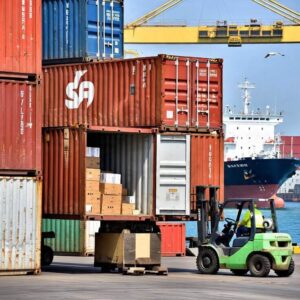
Source: Pinterest
After consolidation, all grouped shipments are carefully packed into a single container. Proper stacking and securing of cargo is important to maximize space usage and prevent movement or damage during transit.
4. Deconsolidation
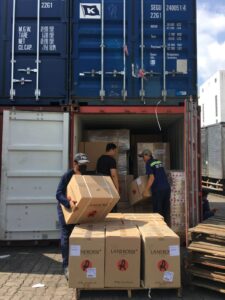
Source: Pinterest
Once the container arrives at the destination port, it goes through deconsolidation. The container is unpacked, and each shipment is separated, checked, and sorted according to its individual delivery details.
5. Final Delivery

Source: Pinterest
In the final stage, each shipment is handed over to local delivery partners for last-mile delivery. This ensures goods reach their final destination, whether it is a business warehouse, retail store, or customer address.
LCL vs FCL: What’s the Difference?
Many people compare LCL and FCL shipping when choosing how to ship goods internationally. Both are used for sea freight, but they differ in cost, container usage, and shipment size.
| Feature | LCL (Less than Container Load) | FCL (Full Container Load) |
| Container Usage | Shares a container with other shipments | Uses an entire container for one shipment |
| Shipping Cost | Pay only for the space used | Pay for the entire container |
| Shipment Size | Best for small to medium shipments | Best for large-volume shipments |
| Transit Time | May take longer due to cargo consolidation and deconsolidation | Usually faster with fewer handling stops |
| Best For | SMEs, startups, and businesses shipping smaller volumes | Businesses with enough cargo to fill a full container |
How to Reduce Costs in LCL Shipping?
LCL shipping is a cost-effective option for smaller shipments, but expenses can still add up without proper planning. The following strategies help reduce LCL shipping expenses while maintaining efficiency.
Consolidate Shipments Efficiently
Grouping multiple smaller shipments into a single LCL load helps reduce overall freight cost. Better consolidation means you only pay for the space you use, improving cost efficiency per shipment.
Optimize Cargo Volume and Weight
Accurate measurement of cargo dimensions helps avoid overcharges. Reducing unused space and packing efficiently ensures you are not paying for excess volumetric weight.
Choose the Right Freight Forwarder
Selecting a reliable freight forwarder with competitive LCL rates can significantly reduce shipping expenses while ensuring better handling and smoother logistics operations.
Compare Multiple Shipping Rates
Comparing different carrier and freight options helps identify the most cost-effective solution. Rate comparison tools can help businesses avoid overpaying for the same service.
Plan Shipments in Advance
Early booking often comes with lower freight rates and better space availability. Last-minute bookings usually cost more due to limited container space and urgency fees.
Optimize Packaging and Palletization
Using space-saving packaging methods and proper palletization reduces wasted container space, allowing more efficient use of LCL shipments and lowering overall costs.
4 Common Challenges in LCL Shipping
Longer Transit Times
LCL shipments take longer because cargo needs to be consolidated with other shipments before departure and separated again at the destination.
Higher Handling Risk
Frequent loading and unloading increases the chance of damage or misplacement compared to full container shipments.
Less Control Over Scheduling
Shipment timing depends on consolidation schedules, so businesses have limited control over departure and arrival times.
Risk of Customs Delays
LCL shipments may face delays during customs clearance due to shared container inspections or incomplete documentation from other consignments.
LCL shipping is a practical solution for businesses that do not require a full container. By sharing container space with other shipments, it offers a flexible and cost-efficient way to move goods internationally.
Looking for a simpler way to manage shipping? EasyParcel helps compare 60+ courier services instantly, making it easier to choose the most cost-effective and suitable option for every shipment. Sign up for FREE and enjoy a RM10 discount coupon to start your first delivery with EasyParcel!
FAQs
1. What does LCL mean in shipping?
LCL (Less than Container Load) means a shipping method where multiple shippers share space inside one container. It is used when cargo volume is not enough to fill a full container.
2. Is LCL cheaper than FCL?
LCL is usually cheaper for small shipments because payment is based on the space used, not the entire container. However, for larger shipments, FCL can be more cost-effective since the full container is used by one shipper.
3. How long does LCL shipping take?
LCL shipping may take longer than FCL because it involves extra steps such as cargo consolidation and deconsolidation. The duration depends on the route, carrier schedule, and customs clearance process.
4. Should I choose LCL or FCL shipping?
The choice depends on shipment size and budget. LCL is suitable for smaller loads, while FCL is better for larger shipments.