Singapore
 Thailand
 Indonesia
If you’re importing or exporting through Malaysia, few things are as stressful as not knowing where your box is. The good news: tracking a shipping container by container number (Malaysia) is usually possible in minutes—if you have the right number, know which websites to use, and understand what each status actually means.
This guide walks you through how to track shipping container movements from the shipping line to container tracking Malaysia port updates (including Port Klang), plus what to do when a container looks stuck.
Contents
1. What You Need Before You Start: Container Number Basics
Source: Pinterest
What a container number looks like (and why it matters)
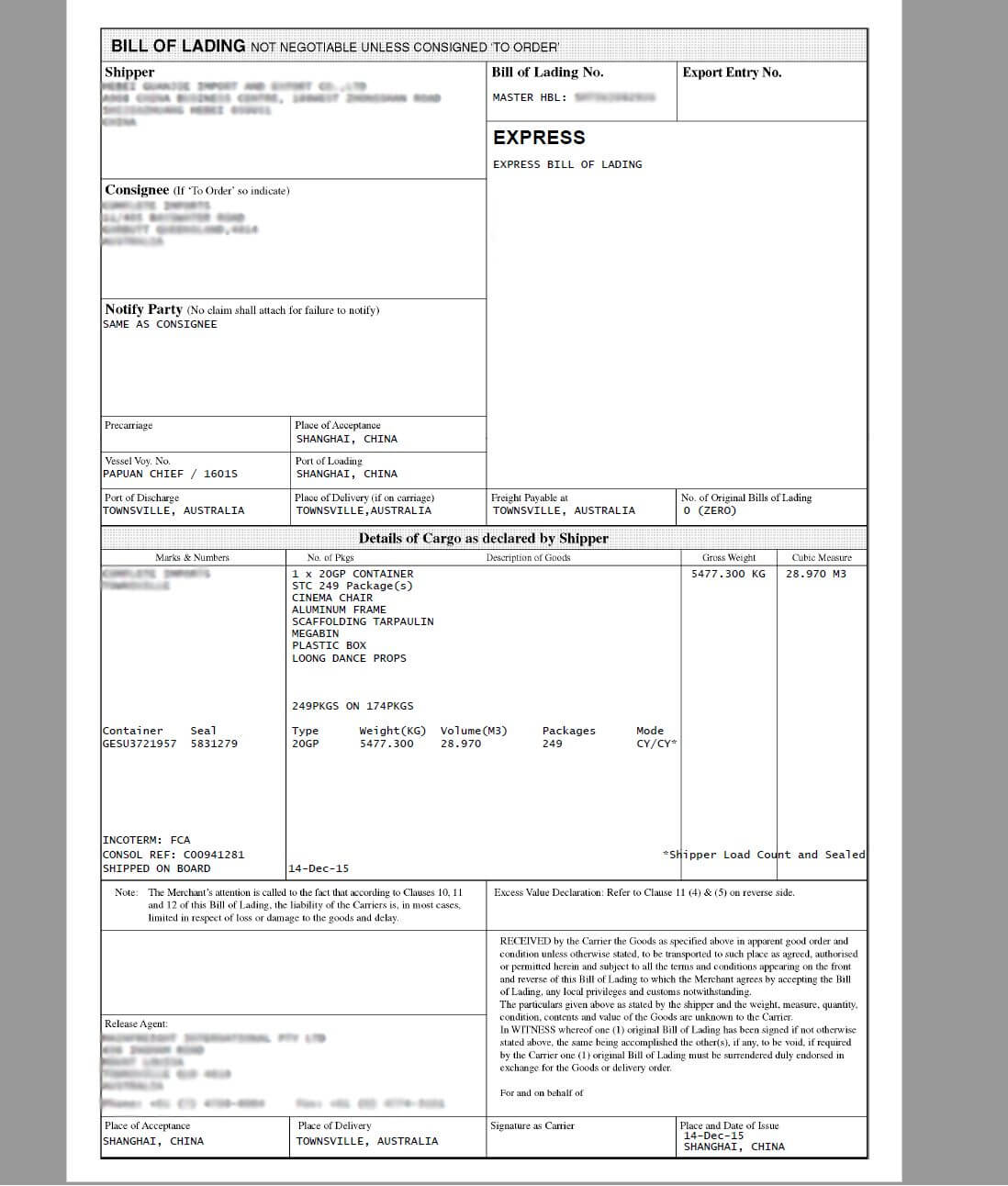
A standard container number typically follows ISO format:
- 4 letters (owner code + equipment category, often ending in “U”)
- 7 digits (serial number + check digit)
Example format: ABCD1234567
If you’re asking “where is my container number?” it’s usually found on:
- The bill of lading (B/L) or sea waybill
- The shipping line’s arrival notice
- Your forwarder’s booking confirmation
- The commercial packing/shipping documents for the job
Container number vs booking vs bill of lading
A common mistake is trying to track with the wrong reference. Here’s the quick comparison—think of this as bill of lading vs container number in plain terms:
- Container number: Identifies the physical box. Best once the container is assigned and gated in/out.
- Bill of lading number: Identifies the shipment contract/document. Often works earlier and may show multiple containers under one B/L.
- Booking number: Identifies the reservation. Useful before B/L issuance, but may not show final movement events.
Actionable tip: If container tracking shows “not found,” try tracking by B/L on the carrier’s site (when supported) and confirm the container number was actually assigned.
2. Step-by-Step: How to Track by Container Number in Malaysia
Step 1: Confirm the container number is correct
Before assuming the shipment is stuck, verify:
- No extra spaces or hyphens were added
- You entered the check digit correctly (the last digit)
- The box is not a SOC (shipper-owned container) with limited visibility via some carrier pages
This saves you from dead ends on a container number tracking website.
Step 2: Identify the shipping line (if you can)
The fastest method is usually shipping line tracking by container. If you know the carrier (e.g., from the B/L header), go directly to its tracking page and use the container number.
If you don’t know the line:
- Look at the prefix (first 4 letters)—it often hints at the owner
- Ask your forwarder which carrier is operating the container
- Use a neutral ocean freight container tracking tool that can search across carriers
This is also where “alternative to carrier tracking page” tools help—more on that below.
Step 3: Cross-check with Malaysia port systems (when applicable)
Carrier tracking tells you vessel and transshipment events, but for local milestones—like discharge, gate-out, or terminal holds—Malaysia port visibility is key.
If your container is moving through Port Klang, you may need Port Klang container tracking or terminal updates. Many shippers also look for a Westports cargo tracking portal status to confirm terminal-level progress (for cargo moving via Westports).
Practical approach:
- Track on the carrier page first (global milestones).
- Then check port/terminal updates for local release and gate moves (Malaysia-specific milestones).
Step 4: Compare the movement timeline to the vessel schedule
If your tracking shows “loaded” but no updates for days, your container may be:
- On a vessel waiting for berth
- Rolled to a later vessel
- Transshipped and awaiting the next connection
Use a vessel schedule lookup Malaysia (carrier schedule pages, terminal schedules, or port schedule data where available) to understand whether the vessel is delayed, anchored, or already alongside.
3. Understanding Common Tracking Events (and What They Mean in Malaysia)
Source: Pinterest
Tracking text can be vague. Here are common events and what to do:
Export-side events (origin)
- Empty pickup / Release: Container is available to pick up.
- Gate in (full): Full container entered the terminal/depot.
- Loaded on vessel: Container is on board (but not necessarily departed).
- Vessel departed: Ship has sailed; ocean leg is underway.
Import-side events (Malaysia arrival)
- Discharged: Container is offloaded at the terminal—this is a key step for container tracking Malaysia port.
- Available for delivery: Usually means clearance steps are pending or completed.
- Customs hold / examination: Could indicate inspection requirements—see the customs section below.
- Gate out: Container has left terminal with trucker/haulier.
- Empty return: Container returned to depot after unpacking.
Actionable tip: If your container shows “discharged” but not “gate out,” the delay is often due to:
- Customs/permit clearance
- Terminal appointments / truck availability
- Demurrage or payment holds
- Documentation mismatch
4. Cargo Tracking by Container No. vs. Sea Cargo Tracking by Container No.
People search both phrases—cargo tracking by container no and sea cargo tracking by container no—but the best method depends on where the container is:
- At sea / transshipment: Carrier tracking is best (vessel events, connection ports, rollovers).
- At Malaysia terminal: Terminal/port updates matter most (discharge, holds, release, gate moves).
- Inland: You may need your haulier’s GPS/dispatch updates, not just ocean events.
A strong workflow is: carrier tracking → port/terminal confirmation → inland delivery coordination.
5. Best Ways to Track: Carrier Pages vs. Container Tracking Solutions
Option A: Carrier tracking page (most accurate for vessel events)
Pros:
- Official source
- Good for loaded/departed/transshipment updates
- Often includes vessel name/voyage
Cons:
- Some carriers limit detail or require login
- Updates can lag at terminals
- Multiple containers under one B/L can be easier to view by B/L rather than container
Option B: Ocean freight container tracking tool (aggregators)
Pros:
- Helpful if you don’t know the carrier
- One interface for many lines
- Sometimes includes map views and milestone summaries
Cons:
- Not always real-time
- Data can be delayed or simplified
- May miss terminal-level holds
If you frequently ship, consider container tracking solutions designed for importers/exporters, not just occasional lookups.
Option C: An alternative to carrier tracking page for teams
For companies managing many shipments, an alternative to carrier tracking page may include:
- Multi-carrier dashboards
- Alerts for delays/rollovers
- Shared visibility for purchasing, logistics, and finance
- Reporting by lane, carrier, and port performance
This is especially useful when you’re coordinating multiple LCL/FCL flows into Malaysia.
6. Tracking at Port Klang: What to Know
Source: Pinterest
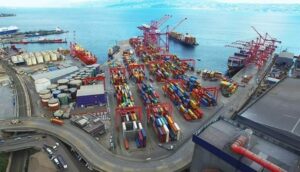
Port Klang is Malaysia’s main gateway and container tracking can involve both carrier and terminal data. If you’re searching for track container number Malaysia specifically for this area, focus on:
- Confirm whether your container is at Northport or Westports (depending on routing and terminal allocation)
- Use the relevant terminal tools for local statuses
- Match the discharge date to expected clearance and delivery windows
Shippers often search Port Klang container tracking when:
- The carrier shows “discharged” but the trucker can’t collect
- There’s a payment/document hold
- There’s a customs exam causing dwell time
If you’re using a Westports cargo tracking portal (where applicable to your move), it can help validate whether the container is ready for pickup, under hold, or pending terminal processes.
7. When Tracking Says “Held” or Nothing Moves: Troubleshooting Delays
Container stuck at customs Malaysia: what it can mean
Seeing a hold message doesn’t always mean a problem, but it does mean you need clarity. “Container stuck at customs Malaysia” typically relates to:
- Missing or mismatched invoice/packing list details
- HS code/classification questions
- Permit/approval requirements for controlled goods
- Random or targeted inspection/examination
What to do immediately:
- Ask your forwarder for the exact hold reason and the agency involved
- Confirm document consistency (shipper/consignee name, product description, quantities, values)
- Verify permits/approvals (if relevant) are in place
- Request an estimated inspection/appointment time if an exam is required
“Discharged” but not “available”: common non-customs causes
- Outstanding charges (carrier release, terminal charges, demurrage)
- No delivery order (DO) issued yet
- Terminal congestion causing appointment delays
- Haulier scheduling or truck shortages
Actionable tip: Ask specifically whether the container is under:
- Customs hold
- Carrier hold
- Terminal hold
- Documentation hold Each requires a different fix.
8. ETA Prediction for Container Shipment: How to Estimate Arrival Realistically

Source: Pinterest
Many tracking pages show an ETA, but shippers need a practical method for ETA prediction for container shipment. Use a three-layer estimate:
- Carrier ETA (best baseline, but can change)
- Vessel schedule + AIS reality check (is the vessel delayed at the last port? at anchorage?)
- Terminal dwell + clearance time (how long after discharge until gate-out, given permits and trucking?)
A realistic Malaysia import ETA should include:
- Estimated berth/discharge date
- Customs/clearance buffer (varies by commodity)
- Truck appointment window
- Inland transit to your warehouse
If your internal team asks, “When will it arrive?” answer with two dates:
- Best-case gate-out date
- Conservative gate-out date (with contingency for inspections/congestion)
9. Choosing the Best Container Tracking App (and What Features Matter)
If you’re comparing the best container tracking app or platform, prioritize features that reduce follow-ups and surprises:
Must-haves:
- Container + B/L search (because not all carriers support every reference)
- Automated milestone alerts (loaded, transshipped, discharged, gate-out)
- Team sharing and notes (who called the forwarder, what was confirmed)
- Exception alerts (rollover, ETA change, long dwell at port)
- Exportable reports for finance (demurrage/detention risk)
Nice-to-haves:
- Integration with TMS/ERP
- Multi-leg visibility (ocean + inland)
- Predictive delay insights by port and carrier
This is where professional container tracking solutions can outperform manual checks.
Once your container has cleared customs and the goods reach your warehouse, the next step is getting those products to customers.
From Container Tracking to Last-Mile Delivery with EasyParcel
Get Instant Quotes
Send More Parcels at Once
Save time, save cost with less click!
Integrations
Sync all your store orders and experience seamless booking experience in one click
Explore NowEasyParcel helps you manage the delivery stage after imported goods reach the warehouse. You can compare delivery rates and services from 60+ courier services, choose a suitable delivery option, and arrange parcel shipments from one platform. This is especially useful if you import products in bulk and then need to distribute individual orders to customers across Malaysia.
Conclusion: The Simplest Way to Stop Guessing Where Your Container Is
In Malaysia, the best results come from combining carrier visibility with port/terminal reality. Start with tracking a shipping container by container number (Malaysia) using the shipping line, then confirm discharge and release steps through container tracking Malaysia port tools—especially if you’re dealing with Port Klang container tracking or a Westports cargo tracking portal workflow. When tracking stalls, don’t just refresh the page: identify the hold type and fix the specific blocker. That’s how you turn “Where is it?” into a clear, actionable delivery plan.
Need to ship your imported goods to customers? Sign up for FREE and enjoy a RM10 discount coupon on your first delivery.
FAQs
1. How do I track a shipping container by container number?
Enter the container number on the shipping line’s official tracking page. If the number is not recognised, try tracking with the bill of lading (B/L) number or contact the freight forwarder for the latest shipment details.
2. What is a shipping container number?
A shipping container number is a unique identification number assigned to a physical container. It typically consists of four letters followed by seven digits and is used to identify and track the container during its journey.
3. Where can I find my container number?
The container number is usually shown on the bill of lading, sea waybill, arrival notice, booking confirmation, or shipping documents provided by the carrier or freight forwarder.
4. What is the difference between a container number and a bill of lading number?
A container number identifies the physical container, while a bill of lading number identifies the shipment document and contract. A single B/L can cover multiple containers, so B/L tracking can sometimes provide a broader view of the shipment.
5. What does “discharged” mean in container tracking?
“Discharged” means the container has been unloaded from the vessel at the terminal. It does not necessarily mean the container is ready for collection, as customs, documentation, payment and terminal processes may still need to be completed.