Singapore
 Thailand
 Indonesia
International logistics can feel like a big-company game, but Malaysia SMEs can manage it well with the right basics in place and practical shipping tools like EasyParcel.
This guide explains how cross-border movement of goods works, what decisions matter most, and how small businesses can build a more reliable supply chain without overcomplicating the process. You will learn how to plan shipments, work with freight forwarding partners, prepare documents, control costs, and reduce delays when selling or sourcing across borders.
Contents
What Does International Logistics Actually Cover for a Malaysia SME?
International logistics is the planning, movement, documentation, clearance, storage, and delivery of goods between countries. For a Malaysia SME, it may involve moving finished products from Selangor to Singapore, importing components from China into Penang, shipping halal food products to the Middle East, or sending e-commerce parcels from Johor to customers overseas.
It is more than simply booking a truck, vessel, aircraft, or courier. A complete international logistics process connects procurement, packaging, warehousing, customs, freight forwarding, insurance, payment terms, and customer communication. When one part is weak, the whole shipment can become more expensive or unpredictable.
For small businesses, the goal is not to build the biggest logistics operation. The goal is to create a practical system that gives you enough control, visibility, and flexibility to serve customers profitably. Malaysia exporters can refer to MATRADE’s exporting resources, which include guidance on logistics and export documentation, while importers and exporters should also check the Royal Malaysian Customs Department for current procedures and requirements.
How Should SMEs Choose Between Courier, Air Freight, Sea Freight, and Road Freight?
Source: Pinterest
SMEs should choose the transport mode by balancing speed, cost, shipment size, product risk, and customer expectations. Courier works well for small parcels and samples, air freight for urgent or high-value goods, sea freight for larger and less urgent cargo, and road freight for practical regional movement.
There is no single “best” option. A cosmetics brand sending samples to an overseas distributor may use courier because tracking and convenience matter—many SMEs use EasyParcel to quickly compare courier options and generate shipments without juggling multiple carrier accounts. A food manufacturer exporting carton loads may need air freight if shelf life is short. A furniture maker shipping bulky products will likely compare sea freight options. A Johor-based supplier selling to Singapore buyers may depend heavily on cross-border trucking.
Use this simple decision checklist before booking:
- How urgent is the shipment? If the buyer needs it within days, slower freight may create a service failure.
- How heavy or bulky is it? Large cargo often becomes expensive by air or courier.
- How fragile or sensitive is the product? Temperature, moisture, shock, and handling risks matter.
- What is the product value? Higher-value goods may justify faster freight, better insurance, and tighter tracking.
- What does the customer expect? Some buyers prioritise speed, while others accept longer transit for lower cost.
- What documentation is required? Some products need permits, certificates, or extra checks before shipment.
- What is the true landed cost? Include freight, handling, clearance, duties, taxes, delivery, and possible storage.
A practical SME approach is to create standard shipping options for common order types. For example, you may offer courier for samples, air freight for urgent replenishment, and sea freight for planned wholesale orders. This reduces confusion for your sales team and helps customers choose with confidence.
Freight Forwarding and the Role of the Right Partner
Freight forwarding is the coordination of cargo movement through carriers, customs processes, documentation, and delivery partners. A freight forwarder does not simply “find a cheap rate.” A good forwarder helps you select the right route, prepare shipment instructions, understand documentation needs, and solve problems when cargo is delayed, rolled over, inspected, or missing information.
For many Malaysia SMEs, a forwarder becomes an extension of the operations team. This is especially useful when the business does not have an in-house logistics specialist. However, choosing a forwarder only by the lowest quote can be a mistake. Cheap freight with poor communication can cost more if the shipment gets stuck or the customer loses trust.
When evaluating a forwarder, ask practical questions:
- Do they handle your product category and destination regularly?
- Can they explain the full cost breakdown clearly?
- Do they support both import and export shipments?
- Can they advise on documentation without overpromising?
- Do they provide timely shipment updates?
- Who is your contact when something goes wrong?
- Can they support your expected growth, not just your current volume?
A reliable partner should be clear about what they can do and what must be confirmed with authorities, carriers, or destination agents. Be cautious with anyone who gives vague answers, avoids written quotations, or promises that customs clearance is always guaranteed.
Building a Supply Chain That Can Handle Overseas Orders

Source: Pinterest
A strong supply chain is not only about moving goods from point A to point B. It is about making sure sourcing, production, inventory, documentation, and delivery work together. For SMEs, this usually means creating simple routines rather than complex corporate systems.
Start by mapping your shipment flow from order confirmation to final delivery. Identify who prepares the invoice, who checks product codes, who confirms packaging, who books transport, who communicates with the buyer, and who stores shipment records. Gaps often appear when responsibility is unclear.
Next, create standard operating procedures for your most common shipment types. These do not need to be long. A one-page checklist can prevent many mistakes, especially if your team is small and people cover multiple roles.
A useful SME logistics workflow may include:
- Order review: Confirm buyer details, delivery address, product quantity, payment status, delivery terms, and target date.
- Product readiness: Check stock, batch details, expiry dates if relevant, labelling, and packaging condition.
- Document preparation: Prepare commercial invoice, packing list, and any required certificates or permits.
- Freight booking: Compare suitable options and confirm weight, dimensions, pickup point, and delivery terms.
- Customs coordination: Work with the forwarder or appointed agent to support declaration and clearance.
- Shipment tracking: Monitor milestones and update the buyer before they need to ask.
- Delivery confirmation: Confirm receipt, record issues, and close the shipment file.
- Post-shipment review: Compare quoted cost with actual cost and note lessons for the next shipment.
This routine helps your business scale without relying on memory. It also makes staff training easier and reduces disruption when someone is on leave.
Documents SMEs Should Prepare With Care
Documentation is one of the most common sources of logistics delays. Small errors can create big consequences, especially when the product description, quantity, value, HS code, country of origin, or consignee details do not match across documents.
Malaysia follows the Harmonized Tariff System for classifying goods, and businesses should seek proper guidance when classification is uncertain because the code can affect duties, restrictions, and clearance requirements.
Common document areas to check include:
- Commercial invoice: Product description, quantity, unit value, total value, currency, seller, buyer, and delivery terms.
- Packing list: Carton count, net weight, gross weight, dimensions, marks, and packaging details.
- Transport document: Air waybill, bill of lading, consignment note, or courier waybill depending on mode.
- Certificate of origin: Used when the buyer, destination authority, or trade arrangement requires origin confirmation.
- Permits or approvals: Required for certain controlled, regulated, or sensitive products.
- Insurance documents: Important when cargo value or risk justifies coverage.
- Product-specific certificates: Relevant for goods such as food, cosmetics, medical products, chemicals, or electrical items, depending on market requirements.
The key is consistency. If your invoice says 100 cartons but your packing list says 96, someone will need to explain the difference. If the product description is too vague, customs or the buyer may request clarification. If your company name or address is inconsistent, paperwork may be delayed.
For SMEs, the best habit is to keep a document template library. Review templates regularly, but do not copy old documents blindly. Every shipment should be checked against the actual cargo.
Cost Control Without Cutting the Wrong Corners

Source: Pinterest
International logistics costs are not limited to freight charges. A low freight quote may exclude pickup, terminal handling, documentation, customs clearance, destination charges, storage, duties, taxes, fuel adjustments, or final delivery. SMEs should ask for the full expected cost, not only the headline rate.
Cost control starts before cargo is packed. If your cartons are oversized, weak, or irregular, you may pay more and face more damage risk. If you book last minute, your options may be limited. If you ship small volumes too frequently, you may spend more than necessary compared with planned consolidation.
Practical ways to manage cost include:
- Plan shipments earlier: More time gives you more routing and pricing options.
- Consolidate where sensible: Combine compatible orders or supplier shipments when timing allows.
- Improve packaging dimensions: Reduce empty space without compromising protection.
- Compare total landed cost: Include all charges until the agreed delivery point.
- Avoid repeated document errors: Delays can create avoidable storage and admin costs.
- Review shipment history: Track actual cost by customer, destination, product, and transport mode.
- Negotiate based on patterns: Forwarders can advise better when you share expected volume and lanes.
- Use a consistent courier booking method: For parcel shipments, SMEs can streamline day-to-day operations by using EasyParcel to compare rates, book shipments, and manage tracking in one dashboard.
Cutting corners on packaging, insurance, or documentation can be expensive. The smarter approach is to remove waste while protecting the shipment and the customer relationship.
Common Mistakes Malaysia SMEs Should Avoid
Many logistics problems are preventable. They happen because the business is moving quickly, the order looks simple, or the team assumes the forwarder will handle everything.
One common mistake is quoting before checking shipment feasibility. If the destination has product restrictions, long transit time, or high landed cost, the sale may become difficult to fulfil. Another mistake is using the same approach for every country. A process that works for Singapore may not work for the United States, Japan, the Gulf region, or the European market.
SMEs should also avoid unclear internal ownership. If sales promises a delivery date but operations has not checked cargo readiness, the business creates pressure before the shipment even starts. Similarly, if finance delays payment confirmation, the logistics team may miss a booking window.
Watch out for these risk areas:
- Accepting overseas orders without confirming delivery terms.
- Using vague product descriptions on invoices.
- Ignoring permit or certificate requirements until the last moment.
- Underestimating packaging needs for long-distance movement.
- Choosing a forwarder based only on the cheapest rate.
- Failing to insure higher-value or damage-prone cargo.
- Not informing buyers about delays early.
- Keeping shipment knowledge with only one employee.
A good rule is to treat every first-time destination as a learning project. Document what you learn, then turn it into a repeatable process.
Digital Tools Can Make Logistics Easier, but Process Still Matters
Digital platforms, tracking portals, warehouse systems, accounting tools, and e-commerce integrations can help SMEs manage international shipping more efficiently. They can reduce manual updates, centralise shipment records, and make it easier to compare costs over time.
However, tools do not fix unclear responsibility or poor data. If product descriptions are inconsistent, weights are estimated, or customer addresses are incomplete, the best system will still produce problems. Technology works best when your basic process is already disciplined.
For a growing SME, start with simple improvements:
- Keep shipment documents in a shared, organised folder.
- Use consistent file naming for invoices, packing lists, and air waybills.
- Record actual freight cost and delivery time after each shipment.
- Maintain a list of HS codes and product descriptions that have been reviewed.
- Create standard email templates for buyer updates.
- Review recurring issues monthly with your forwarder or internal team.
Once your volume grows, you can consider more advanced tools for inventory visibility, order management, warehouse coordination, or multi-carrier rate comparison. For SMEs shipping parcels, multi-carrier platforms such as EasyParcel can be a practical way to centralise bookings, labels, and tracking. The right time to upgrade is when manual tracking starts causing missed updates, duplicated work, or poor customer experience.
Preparing for Your First Export or Import Shipment

Source: Pinterest
Your first international shipment should not be treated as a trial-and-error exercise with a paying customer waiting silently. Even if the order is small, use it to build your internal playbook.
Begin by confirming the buyer or supplier details, product requirements, and delivery terms. Then speak with a logistics partner before making final promises. Ask what documents are normally needed, how cargo should be packed, what the estimated timeline looks like, and where unexpected charges may occur.
Before pickup or delivery to the forwarder, check the shipment physically. Make sure labels are clear, cartons are counted, weights and dimensions are recorded, and documents match the cargo. If you are importing, clarify who will manage customs clearance, final delivery, and payment of applicable duties or taxes.
A simple first-shipment checklist:
- Confirm the product can be imported or exported for the intended market.
- Check whether permits, certificates, or special handling are needed.
- Confirm Incoterms and delivery address in writing.
- Prepare invoice and packing list carefully.
- Record accurate weight, dimensions, and carton count.
- Choose a suitable transport mode based on urgency and cost.
- Ask for a full quotation, including likely origin and destination charges.
- Share tracking details and realistic timelines with the buyer.
- Save all documents and final costs for future reference.
- If you are shipping parcels, set up a consistent label-and-tracking flow, for example by managing courier bookings through EasyParcel.
The aim is not perfection. The aim is learning quickly, keeping control, and preventing the same mistake from happening twice.

The Ultimate Checklist To Deliver An International Shipment
You can learn how to simplify and streamline your international shipping process with our ultimate checklist here.
For Malaysia SMEs, many businesses start with smaller international parcels, samples, e-commerce orders, or product shipments. Having the right shipping platform can make these deliveries easier to plan, compare, and manage as the business grows.
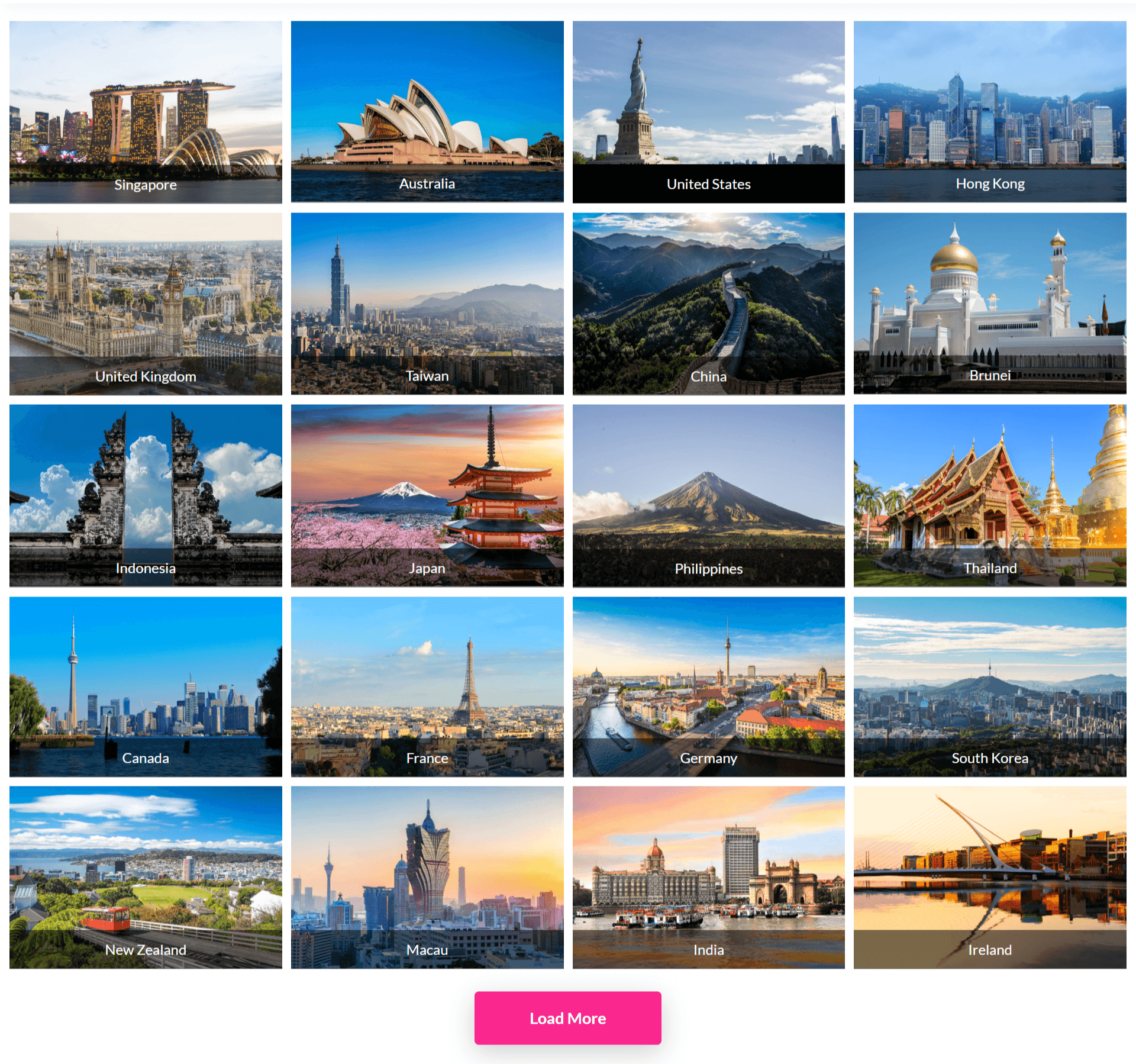
Ship to 220+ Destinations With EasyParcel
Get Instant Quotes
Send More Parcels at Once
Save time, save cost with less click!
Integrations
Sync all your store orders and experience seamless booking experience in one click
Explore NowManaging international logistics becomes easier when SMEs can compare shipping options, estimate costs, and manage parcel deliveries from one place. With EasyParcel, you can ship internationally by comparing rates from 60+ courier services and sending parcels to 220+ destinations worldwide.
Whether you are sending a single international parcel, e-commerce orders, or multiple shipments, EasyParcel helps simplify the parcel-shipping process.
A Practical Mindset for Going Global
International logistics becomes easier when SMEs stop treating each shipment as a one-off emergency. Every shipment should improve your knowledge of customers, countries, costs, documents, packaging, and partners.
Malaysia SMEs have access to export support resources, including MATRADE programmes and information for companies that are exporting or preparing to enter overseas markets. Still, the day-to-day success of international logistics depends on practical habits inside the business: clear responsibilities, good records, careful documents, reliable partners, and honest communication with buyers.
You do not need a large logistics department to serve overseas customers well. Start with your most common products and destinations. Build a checklist. Work with a freight forwarding partner who explains options clearly. Review actual costs after every shipment. Over time, your international shipping process becomes less stressful and more predictable.
For Malaysia SMEs, going global is not only about finding buyers. It is about building the operational confidence to deliver what you sell. When your supply chain is organised, your team can quote better, ship better, and grow with fewer surprises—and for parcel shipping, having a reliable multi-carrier partner like EasyParcel can make day-to-day international shipping much easier to manage.
Ready to simplify your international parcel shipping? Sign up for FREE with EasyParcel and enjoy a RM10 discount coupon on your first delivery.
FAQs
1. What is international logistics for a Malaysia SME?
International logistics covers the planning, transportation, documentation, customs clearance, storage, and delivery of goods between countries. For Malaysia SMEs, this can include exporting products overseas, importing materials, or sending e-commerce parcels to international customers.
2. What is the best shipping method for Malaysia SMEs?
There is no single best option. Courier is suitable for small parcels and samples, air freight for urgent or high-value goods, sea freight for larger and less urgent shipments, and road freight for regional routes such as Malaysia to Singapore or Thailand. The right choice depends on shipment size, urgency, product type, destination, and total cost.
3. What documents are needed for international shipping from Malaysia?
Common documents include a commercial invoice, packing list, transport document, certificate of origin, permits where required, insurance certificate, and product-specific certificates. Requirements vary depending on the product, destination, and type of shipment.
4. What is Incoterms and why does it matter?
Incoterms are internationally recognised trade terms that clarify responsibilities between buyers and sellers, including aspects of transportation, delivery, costs, and risk. SMEs should confirm the agreed Incoterm before quoting or booking an international shipment so both parties understand who is responsible for each part of the delivery.