Singapore
 Thailand
 Indonesia
If you’re arranging Malaysia cargo for the first time (or you’ve been burned by surprise fees), the biggest question usually sounds simple: Should I ship by sea freight or air cargo—and which one is cheaper?
The honest answer: sea freight shipping Malaysia is almost always cheaper per kilogram, especially as your shipment gets bigger. But air freight can be cheaper overall when speed prevents losses (stockouts, missed sales windows, or spoilage), or when your cargo is small, high-value, and time-sensitive.
Below is a practical, no-nonsense guide to help you pick the right option, compare true costs, and avoid the “cheap quote, expensive reality” trap.
Contents
Sea Freight vs Air Cargo: What You’re Really Comparing

Source: Pinterest
At a glance, this is the trade-off:
- Sea freight: lower cost per unit, slower, more steps, more variable port schedules
- Air cargo: higher cost per unit, fast, simpler routing, predictable departures
But “cheaper” depends on the total landed cost, not just the shipping line on your quote.
The true cost buckets (both sea and air)
Whether you use a Malaysia cargo company in Port Klang or a forwarder at KLIA, your overall bill typically includes:
- Transport cost (freight charge)
- Origin fees (pickup, handling, documentation)
- Destination fees (handling, terminal charges, delivery order)
- Customs charges (duties/taxes and broker service)
- Last-mile delivery (especially for door to door delivery Malaysia)
- Risk costs (damage, delay, spoilage, lost sales—this is where “cheap” flips)
Think of it as a full cargo transport project, not a single line item.
When Sea Freight Is Cheaper (Most Common Scenario)
Source: Pinterest
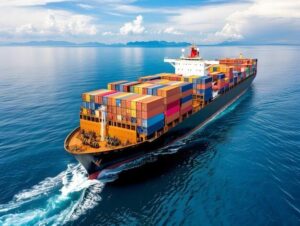
Sea freight tends to win on price when your shipment is:
- Heavy (think cartons, machinery, parts, furniture)
- Bulky (low density goods that cost more by air)
- Not urgent
- Regular and predictable (monthly replenishment shipments)
Typical sea freight formats from Malaysia
Sea freight shipping is usually quoted in one of these ways:
- FCL (Full Container Load): You book a whole container (20’ / 40’)
- LCL (Less-than-Container Load): You share container space; charged by volume (CBM)
For many importers/exporters, LCL is where sea becomes “cheap but complicated.” You save on freight, but you may pay more in handling and consolidation fees than you expected.
A practical rule of thumb
- If you’re shipping multiple pallets or a steady volume, sea freight gets dramatically cheaper.
- If you’re shipping just a few cartons, air might not be as far off as you think once sea’s extra handling is added.
When Air Cargo Can Be the “Cheaper” Choice (Even With Higher Rates)
Source: Pinterest
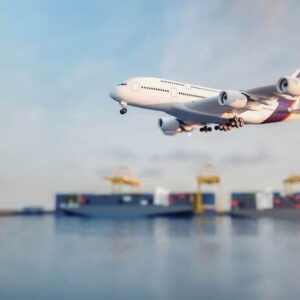
Air cargo looks expensive—until you factor in what delay can cost you.
Air freight can be the better deal when:
- You’re shipping urgent replenishment to prevent stockouts
- You sell seasonal or promotional inventory
- Your goods are high value (electronics, branded items, medical devices)
- Your goods are perishable or temperature-sensitive (see cold chain below)
If your business loses $2,000/day when goods don’t arrive, paying extra for speed can be a smart “cheaper overall” decision.
Air freight pricing basics (why small shipments sting)
Air rates often depend on chargeable weight, which is the greater of:
- Actual weight, or
- Volumetric weight (size converted to “weight”)
That’s why fluffy, light cartons can feel overpriced by air.
If you’re comparing options, ask your forwarder to show actual weight vs volumetric so you can see what’s driving the quote.
Malaysia Cargo Scenarios: Which Mode Usually Wins?
Here are common real-life situations (not perfect science, but useful):
1. E-commerce restock (small batches, frequent)
- Often wins: Air cargo
- Why: Speed + simpler planning; avoids running out of inventory
2. Factory raw materials / parts (steady volume)
- Often wins: Sea freight
- Why: Predictable shipments + lower unit cost
3. Perishables and pharma (strict temperature)
- Often wins: Air freight (or premium sea with reefer)
- Why: Shorter transit reduces spoilage risk; supports cold chain logistics Malaysia
4. One-off bulky items (furniture, machinery)
5. High-value, fragile items
- Often wins: Air cargo + better packaging + insurance
- Why: Less handling time; faster recovery if something goes wrong
The Hidden Fees That Decide “Cheaper” (Sea vs Air)
A quote that looks low can still be expensive once you add the “extras.” This is where choosing the right shipping solutions matters.
Sea freight hidden costs (common)
- LCL consolidation and deconsolidation fees
- Port/terminal handling charges
- Documentation fees (B/L release, amendments)
- Storage/demurrage if paperwork delays happen
- Delivery order and port congestion surcharges
Air cargo hidden costs (common)
- Fuel/security surcharges
- Airline handling fees
- Warehouse storage if clearance is delayed
- Address correction / remote area delivery if you add courier last mile
To compare fairly, request an “all-in door-to-door” option for both modes (even if you don’t choose it). That forces visibility.
“Courier vs Freight Shipping Malaysia”: Don’t Mix Them Up

Source: Pinterest
Many shippers compare air cargo to courier services and assume they’re identical. They’re not.
Courier (DHL/UPS/FedEx-style)
Best for:
- Documents, samples, small parcels
- Simple track international shipment Malaysia needs
- Quick doorstep delivery with minimal coordination
Downsides:
- Costs jump fast with weight/size
- Stricter commodity limits
- Less flexibility for complex cargo
Freight (air freight or sea freight via forwarder)
Best for:
- Cartons/pallets, bulk shipments, commercial cargo
- Customized routing, consolidation, and control
- More options for duties/clearance setups
If you’re shipping commercial quantities, you’ll usually do better with a forwarder’s air service—often branded as air freight services Malaysia—rather than pure courier.
Compare International Couriers to 220+ Countries with EasyParcel
Get Instant Quotes
Send More Parcels at Once
Save time, save cost with less click!
Integrations
Sync all your store orders and experience seamless booking experience in one click
Explore NowIf you’re shipping smaller parcels internationally rather than full commercial freight, EasyParcel can make the process simpler. You can compare courier services and shipping rates in one place, with delivery options available to 220+ countries. Simply enter your pickup location, destination, and parcel weight to see available options before booking.
Customs Clearance Process Malaysia (Plain-English Version)
Customs is where “cheap shipping” can turn into an expensive delay.
The customs clearance process Malaysia generally includes:
- Declaring the goods with correct HS codes
- Submitting commercial invoice, packing list, and transport docs
- Paying import duties/taxes (if applicable)
- Inspections (if selected)
- Release for delivery
What causes delays most often
- Wrong or vague item description
- HS code mismatch
- Missing permits/licences for controlled goods
- Under-declared value (even accidentally)
- Shipping prohibited/restricted goods
If you’re thinking, “I just want to ship, why so complicated?”—this is where a capable broker/forwarder saves money by preventing downtime.
Import Duty Calculator Malaysia: Helpful, But Not the Whole Story
People often search import duty calculator Malaysia and expect a final number. Calculators can be a starting point, but actual charges depend on:
- Exact HS code classification
- Declared customs value and incoterms
- Duty rate + sales/service tax (where applicable)
- Exemptions, trade agreements, or special approvals
Use a calculator to estimate, then confirm with your broker/forwarder before you commit to pricing.
Duty & Tax Estimator: Estimate Import Costs Instantly
Want to estimate your import costs before shipping? Use EasyParcel’s Duty & Tax Estimator to get an estimate of potential duties and taxes. Click here to learn more.
Prohibited Items for Malaysia Import (Don’t Guess)

Another common way shipments get stuck: Shipping something you didn’t realize was restricted.
While the exact list depends on regulations and permits, shippers should always verify prohibited items for Malaysia import (and restricted items) before pickup—especially for:
- Batteries and hazardous goods
- Supplements, cosmetics, or medical-related items
- Food products, plants, and animal products
- Items requiring certifications or special permits
If you’re unsure, send your supplier’s product name + composition + photos to your forwarder and ask for a compliance check.
How to Ship Goods to Malaysia (A Simple Checklist)
If you’re new and searching how to ship goods to Malaysia, use this quick workflow:
- Confirm your goods details
- Exact item name, material, use-case
- Quantity, weight, carton dimensions
- Choose incoterms
- Know who pays what (supplier vs buyer)
- Pick mode
- Sea for heavy/bulky; air for urgent/time-sensitive
- Prepare documents
- Invoice, packing list, certificates/permits if needed
- Plan delivery
- Port/airport pickup or door to door delivery Malaysia
- Customs readiness
- Confirm HS codes and estimated duties/taxes
- Insure if necessary
- Especially for high-value cargo or fragile items
- Tracking plan
- Make sure you can track international shipment Malaysia with milestones (not just “in transit”)
Cargo Insurance Coverage Malaysia: When It’s Worth It
Many businesses skip insurance to save money—then lose far more during one bad incident.
Cargo insurance coverage Malaysia is usually worth considering if:
- Goods are high value
- Goods are fragile (glass, electronics)
- Long sea routes or multiple handovers are involved
- You can’t easily replace stock quickly
Ask what’s covered:
- Water damage, theft, mishandling
- Warehouse-to-warehouse vs port-to-port
- Exclusions (common with inadequate packaging or certain commodities)
If your shipment value would hurt to replace, insuring it is often the “cheaper” decision long-term.
How to Solve Delayed Shipment Malaysia (Fast)
If you’re dealing with a stuck shipment and searching solve delayed shipment Malaysia, focus on the likely bottleneck:
1. Identify where it’s stuck
- Origin warehouse?
- Airline/port terminal?
- Customs pending documents?
- Last-mile delivery scheduling?
2. Ask for specifics (not vague updates)
Request:
- The current status code
- Who is holding it (carrier, terminal, customs, broker)
- What document or payment is required to release it
- The exact deadline before storage fees apply
3. Fix the root cause quickly
Common fixes:
- Provide corrected invoice/packing list
- Update consignee/notify details
- Pay duties/taxes promptly
- Submit permits or product details for classification
A reliable forwarder or broker will give you a clear “do this now” list. If they can’t, that’s a sign to reconsider your provider next time.
How to Choose the Best Freight Forwarder Kuala Lumpur (Without Overthinking)
If you’re looking for the best freight forwarder Kuala Lumpur, don’t just compare the cheapest quote. Compare their ability to prevent expensive problems.
Ask these questions:
- Can you quote air + sea options side-by-side?
- Do you provide door-to-door and local pickup?
- Who handles customs—your team or a partner?
- Can you support special cargo (batteries, cosmetics, cold chain logistics Malaysia)?
- How do you handle exceptions and claims?
- Will you provide clear tracking milestones so you can track international shipment Malaysia?
A strong forwarder is part logistics coordinator, part problem-solver—especially when ports are busy or documents aren’t perfect.
So…Which Is Cheaper for Shipping from Malaysia?
If you want a clean takeaway:
- Choose sea freight shipping Malaysia when you’re shipping heavier or bulk cargo and time isn’t critical. It’s typically the lowest cost per unit and scales well.
- Choose air freight services Malaysia when speed protects revenue, quality, or customer promises—especially for urgent, high-value, or sensitive goods.
- Compare total landed cost, not just freight charges, and don’t ignore customs, handling, and risk.
If you’re unsure, ask your Malaysia cargo company for two quotes (air and sea) built on the same assumptions (same pickup address, same delivery point, same incoterms, same clearance scope). That one step usually makes the “cheaper” option obvious.
FAQs
1. Is sea freight cheaper than air cargo from Malaysia?
Yes. Sea freight is generally cheaper than air cargo, especially for heavy, bulky, or high-volume shipments. However, air cargo can offer better overall value when faster delivery helps avoid stockouts, spoilage, or missed sales.
2. When should I choose sea freight from Malaysia?
Sea freight is a good choice when you’re shipping large, heavy, or bulky cargo and delivery speed is not your main priority. It is commonly used for machinery, furniture, raw materials, parts, and regular inventory replenishment.
3. When is air cargo better than sea freight?
Air cargo is better when speed matters. It can be suitable for urgent restocking, seasonal products, high-value goods, perishables, and time-sensitive commercial shipments.
4. What is the difference between FCL and LCL sea freight?
FCL (Full Container Load) means you book an entire container, such as a 20-foot or 40-foot container. LCL (Less-than-Container Load) allows you to share container space with other shipments and is often suitable for smaller cargo volumes.